
이 페이지는 아직 번역되지 않아 영어로 표시됩니다.
Kinchakuda
조사·집필 Hinato
사이타마현 · Hidaka
35.8843°N, 139.3109°E
Kinchakuda is a loop of flat land inside a hairpin bend of the Koma river, shaped like a drawstring purse, which is what the name means. For most of the year it is a field. For about two weeks around the autumn equinox roughly five million red spider lilies open under the trees along the riverbank in what is generally reckoned the largest natural stand in Japan, and the ground goes an unbroken crimson that photographs badly and looks unreal in person.
The flowers were not planted. Seeds are thought to have washed down the river and lodged in the bend, and the colony spread on its own. The area has a second history: Goguryeo refugees were settled here in 716 and Koma Shrine, a short walk away, is dedicated to their leader — which is why the river, the station and the district all carry the Korean kingdom's name.
Red spider lilies carry their own layer of folk association across Japan that Kinchakuda's crowds mostly overlook in favor of the spectacle: the flower traditionally grows near graves and rice paddy borders, planted historically because its bulb is toxic and deterred moles, mice, and grave-robbing animals from disturbing the soil, which is part of why it picked up associations with death and the afterlife in classical poetry and, more recently, in anime and manga. None of that darker symbolism registers much at Kinchakuda itself, where the sheer density of blooms under the tree canopy reads as pure spectacle rather than memento mori — but knowing the association explains why a flower this common along riverbanks and cemetery edges elsewhere in the country rarely gets cultivated deliberately, making the natural, self-seeded scale of the colony here more unusual than it might first appear.
기본 정보
영업시간
7:00 AM – 5:00 PM during the spider lily season | Open at all hours outside it
휴무일: Open year-round
입장료
¥500 per person per day during the spider lily season | Free for junior high school students and under | Free outside the season | Parking ¥500 per car
베스트 시즌
Mid-September–early October for red spider lilies | October for cosmos | April for cherry blossom along the river
방문 소요 시간
1.5–2 hours
가는 방법
교통 정보
인사이더 가이드
주변 스팟
Kinchakuda에서 직선거리로 가장 가까운 히든 스팟들입니다.
 江戸村のとくぞう / CC BY-SA 4.0
Moomin Valley Park
Little knownMoomin Valley Park (ムーミンバレーパーク) is Japan's only theme park dedicated to Tove Jansson's beloved Moomin characters — a 40-…
Tenranzan Hiking
Little knownMt. Tenranzan (天覧山, 197m) is Hanno's introductory hiking mountain — a gentle 40-minute ascent through cedar and deciduou…
 京浜にけ / CC BY-SA 3.0
Ogose Bairin
Little knownOgose Bairin is counted among the three great plum groves of the Kanto region and holds about a thousand trees, includin…
Ranzan Gorge
Little knownA botanist visiting in 1928 said this stretch of the Tsuki river reminded him of Arashiyama in Kyoto, and the town has b…
 Aimaimyi / CC BY-SA 3.0
Kashiya Yokocho
Little knownKashiya Yokocho (菓子屋横丁, 'Candy Alley') is a narrow 80-meter lane lined with traditional sweet shops selling dagashi (駄菓子…
 harerukana / CC BY-SA 3.0
Toki no Kane
Little knownThe Toki no Kane (時の鐘, 'Bell of Time') is Kawagoe's symbol — a wooden bell tower rising 16 meters above the merchant dis…
사이타마현의 다른 스팟 더 보기
Soka Senbei and Matsubara
Little knownSoka was the second post station out of Edo on the Nikko highway, and the rice crackers sold to travellers there became…
Higashimatsuyama Yakitori
Little knownYakitori in Higashimatsuyama is not chicken. It is pork cheek and jaw, skewered and grilled, and eaten with a chilli-spi…
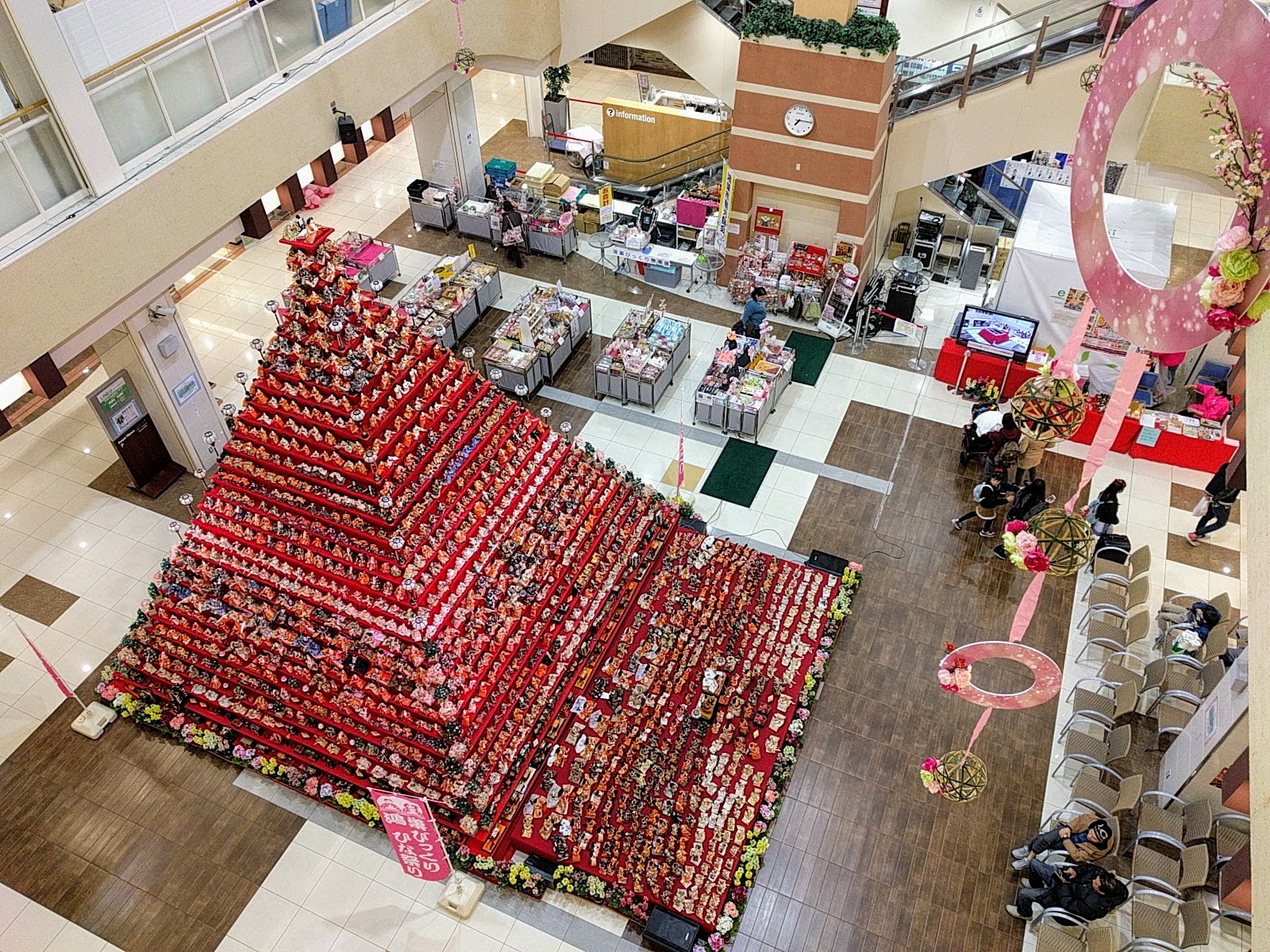 KQuhen / CC BY-SA 4.0
Konosu Bikkuri Hina Matsuri
Little knownKonosu has made hina dolls for around 380 years and calls itself doll town, so when the local trade wanted to do somethi…