
이 페이지는 아직 번역되지 않아 영어로 표시됩니다.
Lafcadio Hearn Residence
조사·집필 Hinato

Lafcadio Hearn (小泉八雲, Koizumi Yakumo, 1850–1904) was a Greek-Irish writer who moved to Japan in 1890, married a samurai's daughter in Matsue, and wrote 'Kwaidan' — the famous collection of Japanese ghost stories introducing yokai and supernatural folklore to Western readers. His former residence in Matsue preserves the house where he lived for 15 months, featuring his study, Japanese garden, and personal artifacts.
Hearn's writings ('Glimpses of Unfamiliar Japan,' 'Kwaidan,' 'In Ghostly Japan') shaped Western understanding of Japanese culture during the Meiji Period. His sympathetic, poetic descriptions of Japanese traditions contrasted with condescending accounts by other foreign observers. The museum adjacent to the residence displays manuscripts, photos, and explanations of the ghost stories.
기본 정보
영업시간
8:30 AM – 6:30 PM (April–September) | 8:30 AM – 5:00 PM (October–March)
휴무일: Open year-round
입장료
¥520 combined ticket (residence + Lafcadio Hearn Memorial Museum); ¥260 children; English pamphlets included
베스트 시즌
Year-round; autumn for garden foliage visible from Hearn's study; spring (March–April) for plum and camellia blossoms in garden
방문 소요 시간
45–60 minutes: residence (20 min) + adjacent memorial museum (30 min)
가는 방법
교통 정보
인사이더 가이드
주변 스팟
Lafcadio Hearn Residence에서 직선거리로 가장 가까운 히든 스팟들입니다.
 bryan... / CC BY-SA 2.0
Matsue Castle
Little knownMatsue Castle (松江城) is one of Japan's 12 surviving original castles, built in 1611 and never destroyed by war or fire. T…
 Spiegel / CC BY 4.0
Horikawa Moat Boat Ride
Little knownHorikawa Sightseeing Boat (堀川めぐり) navigates the 3.7km moat surrounding Matsue Castle, passing under 16 bridges (some ext…
 이미지 일러스트 (사진이 아닙니다)
Yakumoan
Little knownYakumoan occupies a converted samurai residence on Shiomi Nawate, the street of preserved warrior houses running along t…
Matsue Wagashi Sweets
Little knownMatsue is ranked among Japan's top wagashi (和菓子, traditional Japanese sweets) cities, with per-capita wagashi consumptio…
 Hanabishi / CC BY-SA 3.0
Yaegaki Shrine
Little knownYaegaki enshrines Susanoo and Kushinada — the god who killed the eight-headed serpent Yamata-no-Orochi and the woman he…
 yogiyogi / CC BY 4.0
Lake Shinji Sunset
Little knownLake Shinji (宍道湖) is Japan's seventh-largest lake, famous for its spectacular sunsets ranked among the nation's top 100.…
시마네현의 다른 스팟 더 보기
Ura-Hikimi Gorge
Little knownHikimi is the mountainous inland part of Masuda, up against the Hiroshima border, and the gorge system there splits into…
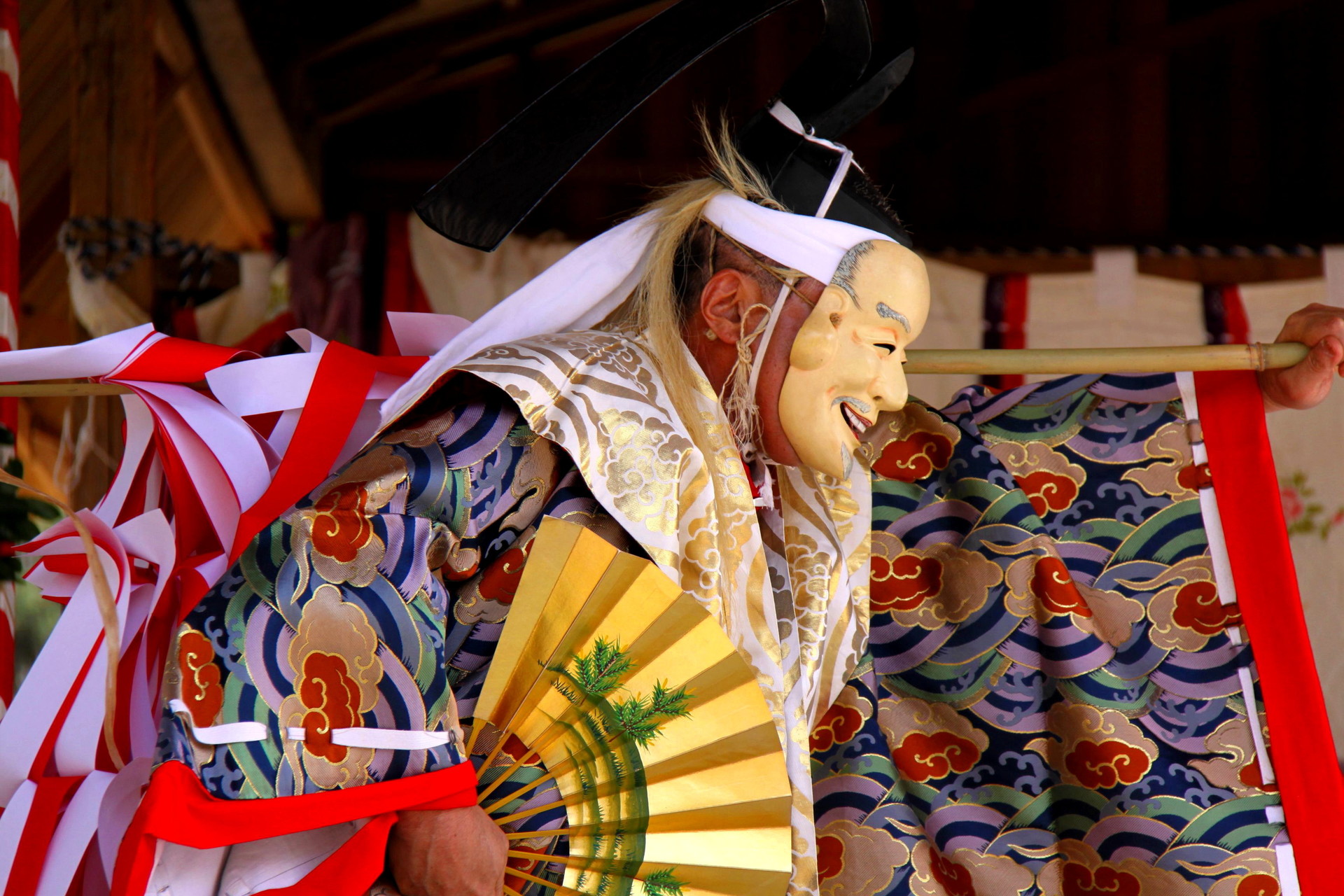 iku / CC BY-SA 4.0
Izumo Taisha
FamousIzumo Taisha is one of Japan's oldest shrines, maybe the oldest depending on who's counting. It's dedicated to Okuninush…
 Bernard Gagnon / CC BY-SA 3.0
Adachi Museum of Art
FamousAdachi Museum of Art has been ranked the #1 Japanese garden in Japan by the Journal of Japanese Gardening for over 20 co…