
다케오온천 모토유
조사·집필 Hinato
사가현 · Takeo
33.1934°N, 130.0216°E
다케오온천의 중심 공중목욕탕 모토유는 1915년 노 무대 양식으로 지어진 건물에 자리해 있으며, 붉은 옻칠 목조 문(1788년 건립, 중요문화재 등록)이 참배길을 장식한다. 이 목욕탕 자체는 최소 8세기부터 끊이지 않고 이어져온 운영 역사를 지녔다 — 알칼리성 온천수는 도요토미 히데요시가 조선 출정 중 즐겼다고 전해진다. 내부에는 독특한 설계의 노천탕이 있다: 물이 지면에서 직접 화강암 욕조로 흘러나온다.
기본 정보
영업시간
매일 오전 6:30~자정
휴무일: 연중 개방(정비 휴관은 홈페이지 확인)
입장료
¥500(일반 목욕탕) | ¥600(2층 다다미 휴게실) | 개인 다이묘 목욕탕: 1인당 ¥2,500(사전 예약 필요)
베스트 시즌
연중 상관없음 | 저녁(오후 6시~11시)엔 조명 밝힌 1788년 문
방문 소요 시간
1~2시간
가는 방법
교통 정보
인사이더 가이드
주변 스팟
다케오온천 모토유에서 직선거리로 가장 가까운 히든 스팟들입니다.
Takeo Shrine 3,000-Year-Old Camphor Tree
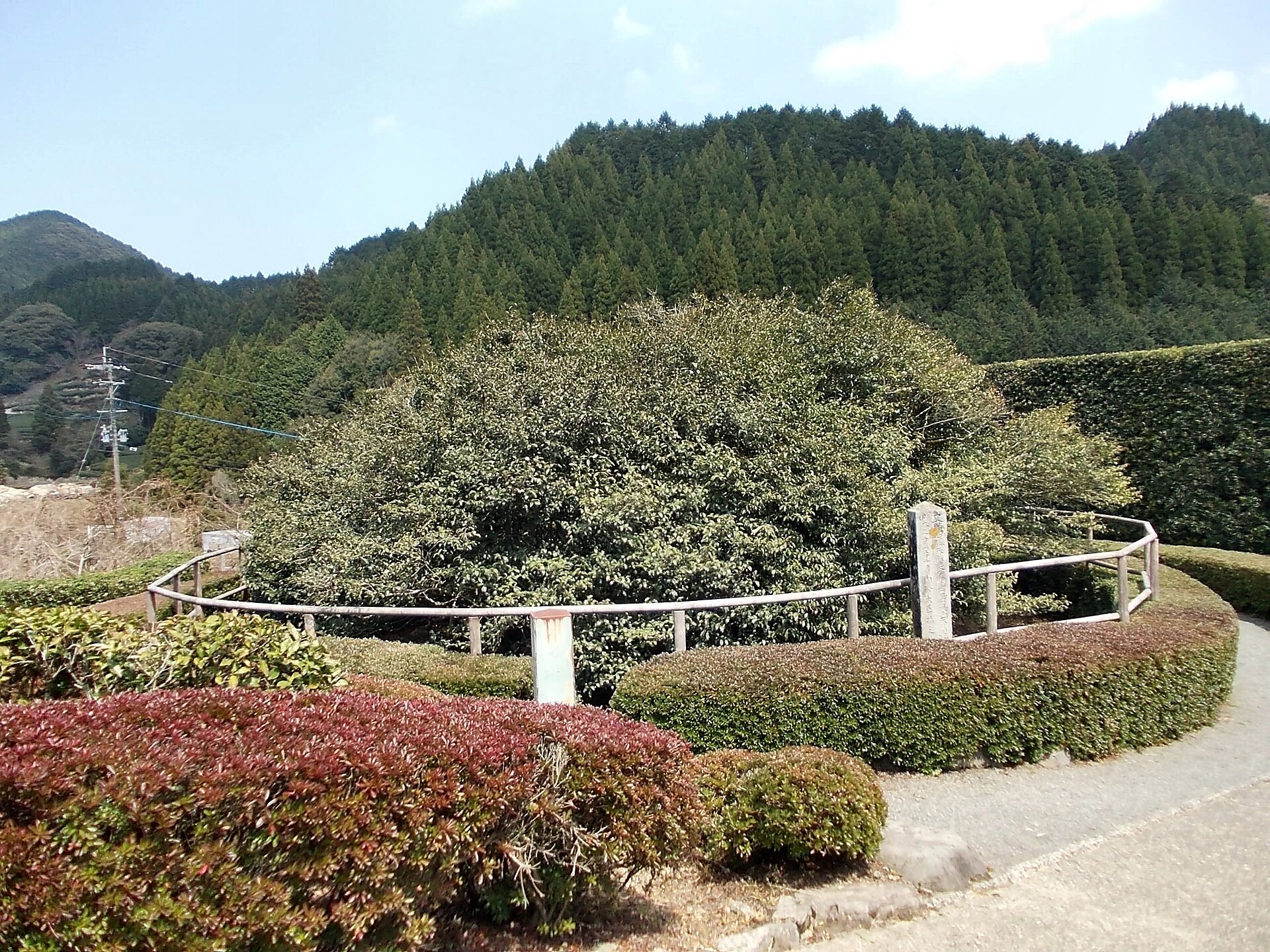
Locally knownWithin the grounds of Takeo Jinja, a camphor tree estimated at 3,000 years old stands 30 meters tall with a circumferenc…
Takeo City Library
Little knownTakeo City Library, redesigned by Tsutaya Books and architect Takato Tamagami in 2013, is consistently ranked among Japa…
 STA3816 / CC BY-SA 4.0
Mifuneyama Rakuen
Little knownMifuneyama Rakuen, a 500,000-square-meter garden carved into the forested slopes of Mt. Mifuneyama (sheer granite cliffs…
Mifuneyama Autumn Maple Forest Walk
Little knownThe maple forest on the slopes below Mifuneyama's granite cliff face contains 4,000 Japanese maple trees (momiji) that t…
 STA3816 / CC BY-SA 3.0
Ureshino Tea
Little knownUreshino-cha is the collective name for teas grown in the mineral-rich hills around Ureshino Onsen — a tradition establi…
Ureshino Onsen Ryokan Night Walk
Little knownUreshino's 30 ryokan are concentrated within 800 meters of riverside corridor — close enough that walking the onsen town…
사가현의 다른 스팟 더 보기
Nijinomatsubara Seaside Cycling
Little knownThe Niji-no-Matsubara pine grove fronts a 5km bicycle lane alongside the beach, rated by Cycling magazine as one of Japa…
Ogi-Juku Post Town
Little knownOgi was a major rest stop on the Nagasaki Kaido highway — the road connecting Nagasaki to Edo used by Dutch traders maki…
Karatsu Bay Sunset Fishing
Little knownFrom June to October, the fishing boats of Karatsu Bay go out at sunset using bright lights to attract squid to the surf…