
本页尚未翻译,暂以英文显示。
Mt. Haguro Five-Story Pagoda
调查与撰写 Hinato
山形县 · Tsuruoka
38.7081°N, 140.0083°E
The Mt. Haguro Five-Story Pagoda is a 29-meter tall wooden pagoda standing in a primeval cedar forest, considered one of the three most beautiful pagodas in Japan (alongside Nara's Horyuji and Kyoto's Daigoji). The pagoda's five levels symbolize the five elements of Buddhist cosmology (earth, water, fire, wind, void), and its subtle concave roof lines (created by gradually shortening each successive story) exemplify the refined aesthetics of Edo-period architecture. The structure sits at the base of the 2,446 stone steps leading to Mt. Haguro summit, surrounded by cryptomeria cedars over 300 years old. The combination of ancient pagoda, forest atmosphere, and dappled light filtering through cedar branches creates a mystical environment that embodies Japanese spiritual aesthetics. The pagoda was designated a National Treasure in 1966.
基本信息
营业时间
Pagoda grounds: 24/7 free access | Night illumination: 5:00 PM – 9:00 PM | Stone step trail to summit: recommended 9:00 AM – 5:00 PM
公休: Open year-round; no closures
门票
Check locally before visiting
最佳季节
October–November for autumn foliage framing the pagoda; December–February for snow-covered roofs; April–May for fresh green cedar forest
建议停留
30–45 minutes to see the pagoda area; 2.5–3 hours for full climb to summit and return
如何前往
交通信息
独家私藏情报
邻近景点
距离Mt. Haguro Five-Story Pagoda最近的私藏景点,按直线距离排序。
 掬茶 / CC BY-SA 4.0
Dewa Sanzan
Well knownDewa Sanzan (出羽三山, 'Three Mountains of Dewa') comprises Mt. Haguro, Mt. Gassan, and Mt. Yudono — three sacred peaks that…
 ブルーノ・プラス / CC BY 4.0
Mogami River Boat Ride
Little knownThe Mogami River is one of Japan's three most rapid rivers, flowing 224km from the mountains of southern Yamagata to the…
 Raita Futo from Tokyo, Japan / CC BY 2.0
Gassan Ski Resort
Little knownMt. Gassan (月山, Moon Mountain, 1,984m) is one of the three sacred mountains of Dewa Sanzan and Japan's only ski resort w…
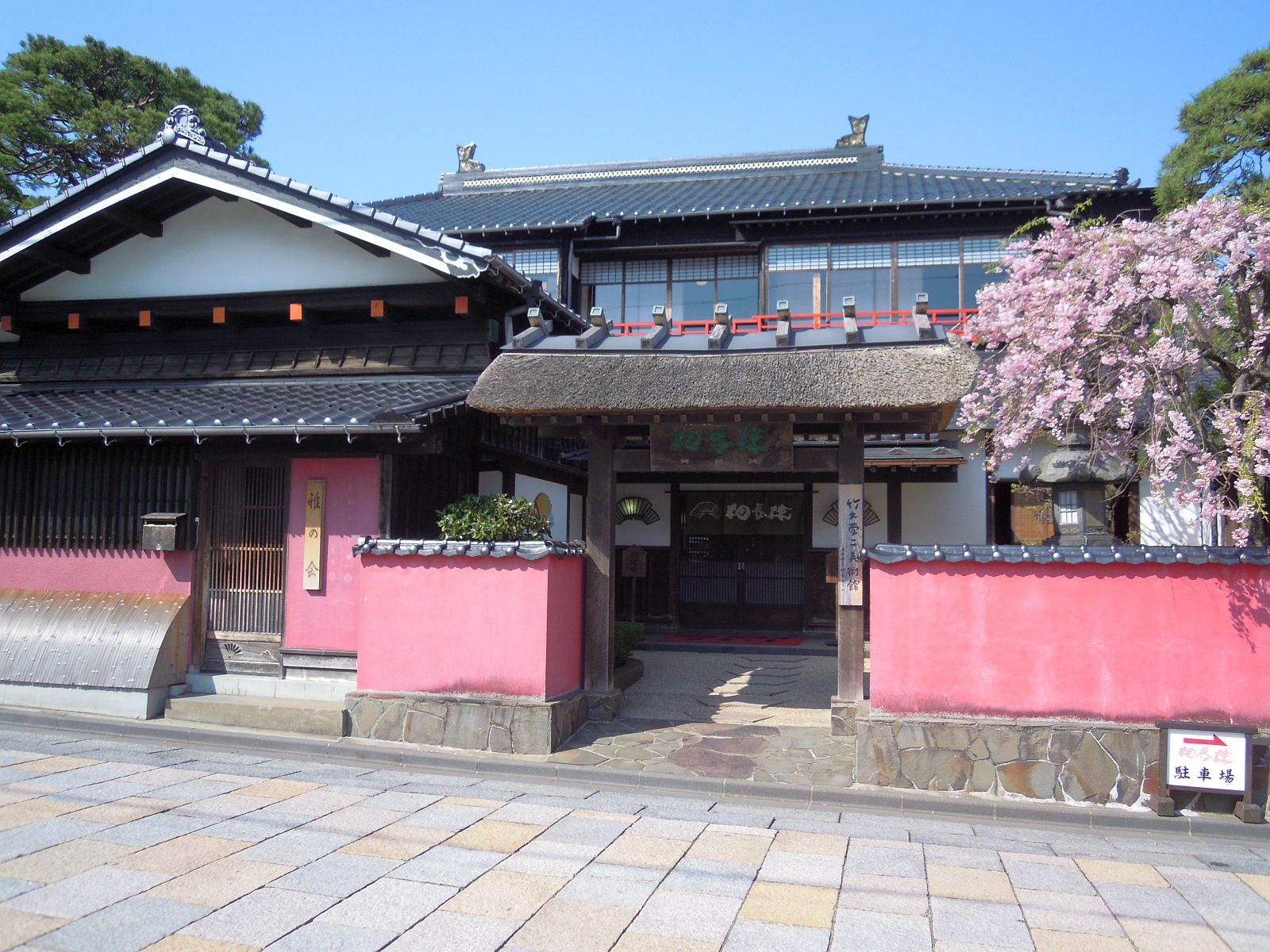 Yauchi / CC BY-SA 4.0
Sakata Somaro
Little knownSomaro (相馬樓) is a beautifully preserved Edo-period geisha house in the port city of Sakata, converted into a cultural mu…
 さかおり / CC BY-SA 4.0
Ginzan Onsen
FamousGinzan Onsen is 300 meters of Taisho-period (1912-1926) wooden ryokan squeezed into a mountain valley, three and four st…
 Gorilla Jones / CC BY-SA 4.0
Tendo Shogi Pieces
Little knownTendo City produces over 90% of Japan's shogi pieces (将棋, Japanese chess), a craft tradition dating to the Edo period wh…
更多山形县的景点
Kumano Taisha Shrine
Little knownKumano Taisha is a Shinto shrine founded over 1,200 years ago, famous for its massive thatched roof (茅葺屋根, kayabuki-yane…
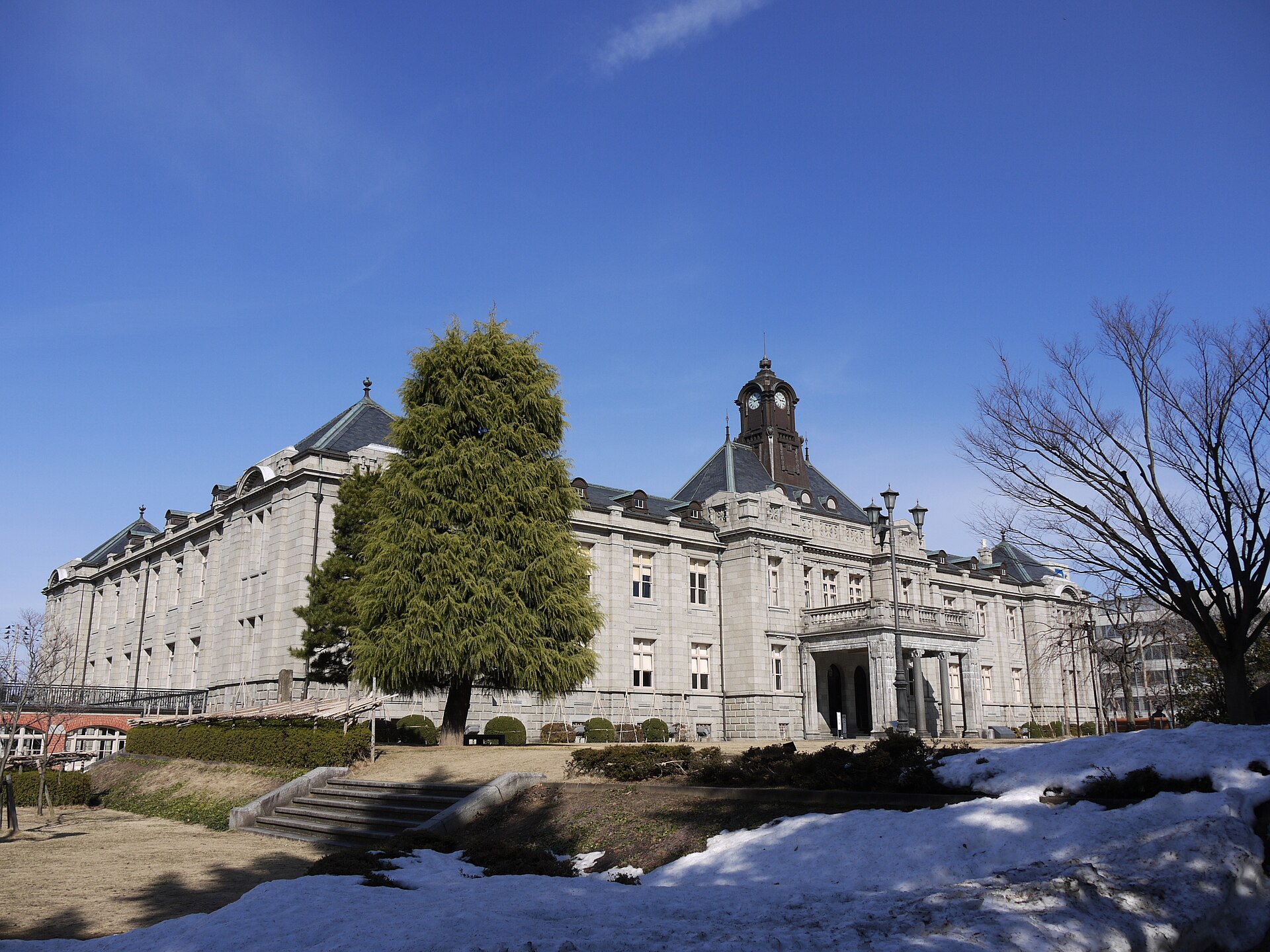 Ippukucho / CC BY 3.0
Bunshokan
Little knownThe Bunshokan (文翔館) is a Western-style brick building constructed in 1916 to serve as the Yamagata Prefectural Office an…
 Nesnad / CC BY 4.0
La France Pears
Little knownLa France pears (ラ・フランス) are a French pear variety that thrives in Yamagata's climate, producing fruit with exceptional…