
本页尚未翻译,暂以英文显示。
Oga Aquarium GAO
调查与撰写 Hinato
秋田县 · Oga
39.9594°N, 139.8319°E
Oga Aquarium GAO (男鹿水族館GAO) perches on a cliff overlooking the Sea of Japan, specializing in cold-water species native to Akita's coastal waters and Arctic ecosystems. The flagship exhibit is the 'Men of the North' section, featuring three polar bears visible from above-water and underwater viewing galleries. Watching a 400-kilogram bear swim past the glass, paws paddling gracefully, is mesmerizing — polar bears are surprisingly agile underwater, hunting seals by swimming beneath ice.
The aquarium also showcases Sea of Japan fish — massive Akita sandfish (hatahata, 鰰), red snow crab, octopus, and schools of sardines. The 'Akita Prefecture Waters' tank replicates rocky coastal zones where kelp forests sway in currents. Touch pools allow handling sea cucumbers, starfish, and horseshoe crabs. The aquarium's dramatic coastal location adds to the experience — after visiting, walk to the cliff-top observation deck for views of Godzilla Rock (ゴジラ岩), a wave-eroded formation resembling the kaiju's silhouette.
The polar bear focus is less a curatorial gimmick than a reflection of Oga's own coastal identity — winters here are genuinely Arctic in character, with the peninsula exposed directly to Siberian winds off the Sea of Japan, and the aquarium leans into that overlap rather than importing an unrelated tropical theme the way many regional aquariums do. Hatahata, the sandfish that gets its own tank, is Akita's prefectural fish and central to local winter cuisine, so the aquarium doubles as an introduction to what shows up on dinner tables around Oga once the fish start running in late autumn. The building itself sits on a stretch of coast shaped by the same volcanic and marine erosion that produced Godzilla Rock and the peninsula's better-known sea cliffs, so the aquarium's setting is continuous with the surrounding landscape rather than an indoor attraction dropped onto it — walking out to the cliff-top deck after the exhibits feels like an extension of the visit rather than an afterthought.
基本信息
营业时间
9:00 AM – 5:00 PM (December–February until 4:00 PM)
公休: Open year-round
门票
¥1,300 adults, ¥400 elementary/middle school. Godzilla Rock: free.
最佳季节
Winter (December–February) for most active polar bears in snow; year-round for penguin walk (13:00) and sea tank feedings
建议停留
2–3 hours including polar bear feeding (11:00 or 15:00), penguin walk (13:00), and sea Japan tank
如何前往
交通信息
独家私藏情报
邻近景点
距离Oga Aquarium GAO最近的私藏景点,按直线距离排序。
Namahage
Well knownNamahage are demon-gods from Oga Peninsula folklore, part of Akita's New Year traditions since the Edo period. They wear…
Shinzan Shrine
Little knownShinzan Shrine (真山神社) in Oga Peninsula is the spiritual home of the Namahage tradition, where ritual demon costumes are…
 掬茶 / CC BY-SA 4.0
Kanpuzan Rotating Observatory
Little knownKanpuzan is a lava dome at the neck of the Oga peninsula, 355 metres high and covered entirely in grass — no trees, just…
Oga Peninsula
Little knownOga Peninsula (男鹿半島) juts 30 kilometers into the Sea of Japan from Akita's western coast, forming a rugged landscape of…
Ogata Village Polder Museum
Little knownLake Hachirogata was the second-largest lake in Japan. Between 1957 and 1977 it was drained — a national project using D…
 掬茶 / CC BY-SA 4.0
Nyudozaki
Little knownThe northern tip of the Oga peninsula, where a treeless grass headland runs out to low cliffs and stops. There are no tr…
更多秋田县的景点
 掬茶 / CC BY-SA 4.0
Korakukan
Locally knownKorakukan was built in 1910 as a welfare facility for the Kosaka mine, which was then one of the richest in Japan, and i…
 掬茶 / CC BY-SA 4.0
Kosaka Mine Office
Locally knownKosaka was, at the start of the twentieth century, the largest producer of silver in Japan and later of copper, and in 1…
 wataru_95s / CC BY 4.0
Mototaki Fukuryusui
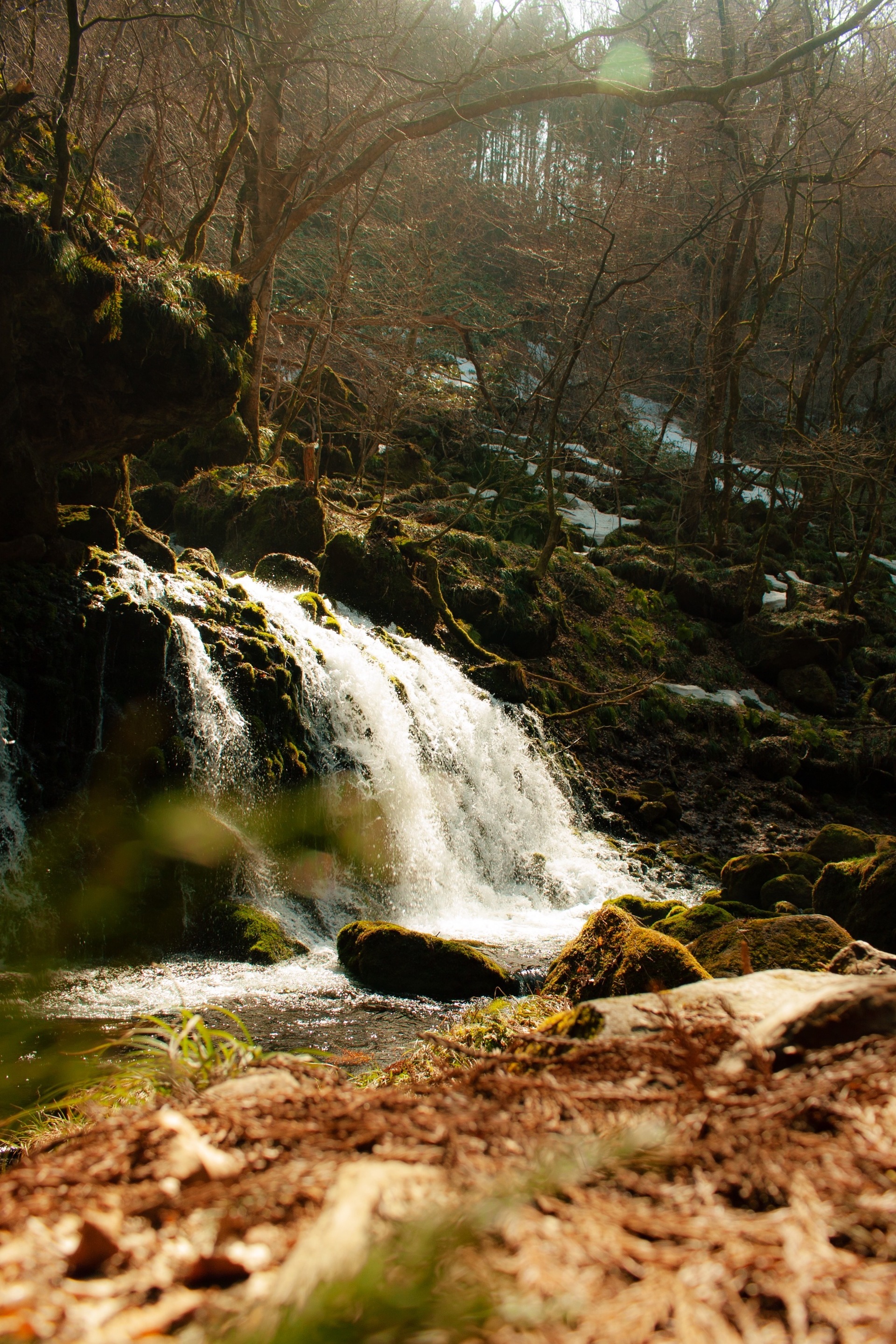
Little knownRain and snowmelt on Mt. Chokai sink into the volcanic rock, travel underground for decades, and come out here — not ove…