
Cette page n'a pas encore été traduite et s'affiche en anglais.
Omishima Island
Recherche et rédaction Hinato

Photo: そらみみ / Wikimedia Commons (CC BY-SA 4.0) · original
Omishima is the largest island on the Shimanami Kaido cycling route, home to Oyamazumi Shrine which houses Japan's most extensive collection of samurai armor and swords — over 80% of designated National Treasure arms and armor in Japan are stored here. The shrine's history dates to 594 CE, and for centuries warriors dedicated their armor to the shrine before battle, creating an unparalleled collection.
The island also features the Toyo Ito Museum of Architecture, a minimalist white structure designed by Pritzker Prize winner Toyo Ito, creating a unique juxtaposition of ancient and contemporary culture.
Informations essentielles
Horaires d'ouverture
Shrine grounds: always accessible.
Fermé: Shrine treasure hall open daily. Check for seasonal closure days.
Tarif d'entrée
Oyamazumi Shrine grounds: free. Treasure hall: ¥1,000. Toyo Ito Museum: ¥840. No combination ticket available between the two sites.
Meilleure saison
Spring (April–May) and autumn (October–November) for best cycling weather on the Shimanami Kaido approach. Shrine ancient camphor trees are impressive year-round.
Durée de visite
Shrine + treasure hall: 60–90 minutes. Toyo Ito Museum: 45–60 minutes. Allow 2.5–3 hours for both sites plus transit between them. Half-day if cycling from Imabari.
Comment s'y rendre
Informations d'accès
Omishima Island, 40km into Shimanami Kaido from Imabari. Oyamazumi Shrine: free grounds, treasure hall ¥1,000. Toyo Ito Museum: ¥840, 9:00–17:00, closed Mon. Cycling from Imabari: 2.5–3 hrs.
Guide d'initié
Armor collection significance: The shrine's treasure hall displays armor worn by legendary figures including Minamoto no Yoritomo (first shogun), Minamoto no Yoshitsune (warrior hero), and multiple Kamakura-period generals. The armor represents the finest metalwork and lacquer craft from the 12th–16th centuries. For history enthusiasts and martial arts practitioners, this collection exceeds even Tokyo National Museum in quality and completeness.
Display presentation: The armor is displayed in glass cases with Japanese labels (English pamphlet available at entrance). Photography is prohibited inside the treasure hall. Budget 60–90 minutes to appreciate the collection properly — the intricate lacing, engraved metal plates, and helmet ornaments reward close viewing.
Ancient camphor trees: The shrine grounds contain massive camphor trees (楠, kusunoki) over 2,600 years old, their trunks 10+ meters in circumference with buttressed roots spreading across the ground. The trees predate the shrine itself and are considered sacred — walking among them creates a primordial forest atmosphere.
Toyo Ito Museum context: The museum (2011) sits on a hillside overlooking the Seto Inland Sea, featuring Ito's signature flowing white forms. The building itself is the main exhibit, demonstrating his architectural philosophy through spatial experience. The museum hosts rotating exhibits of contemporary architecture (quality varies). Combination tickets with Oyamazumi Shrine are not available — they're separate destinations requiring 2–3 hours total.
Island cycling route: Omishima makes an ideal turnaround point for half-distance Shimanami Kaido rides (40km from Imabari). After visiting the shrine and museum, catch the ferry back to Imabari (¥2,000, 90 min) to avoid retracing the cycling route.
Lieux à proximité
Les lieux secrets les plus proches de Omishima Island, par distance à vol d'oiseau.
 そらみみ / CC BY-SA 4.0
Oyamazumi Shrine
Locally knownOyamazumi is the head shrine of some ten thousand Mishima and Yamazumi shrines and the deity is the god of mountains, se…
 Fabimaru / CC BY-SA 4.0
Kosanji Temple
Little knownKosanji was built by an industrialist who took Buddhist orders after his mother's death and spent thirty years and a for…
Okunoshima
Little knownOkunoshima is a 4.3-kilometre island in the Seto Inland Sea with around seven hundred wild rabbits on it and a very dark…
Kurushima Strait Tidal Cruise
Little knownThe Kurushima Strait is one of the three fastest tidal channels in Japan, alongside Naruto and Kanmon, and the current t…
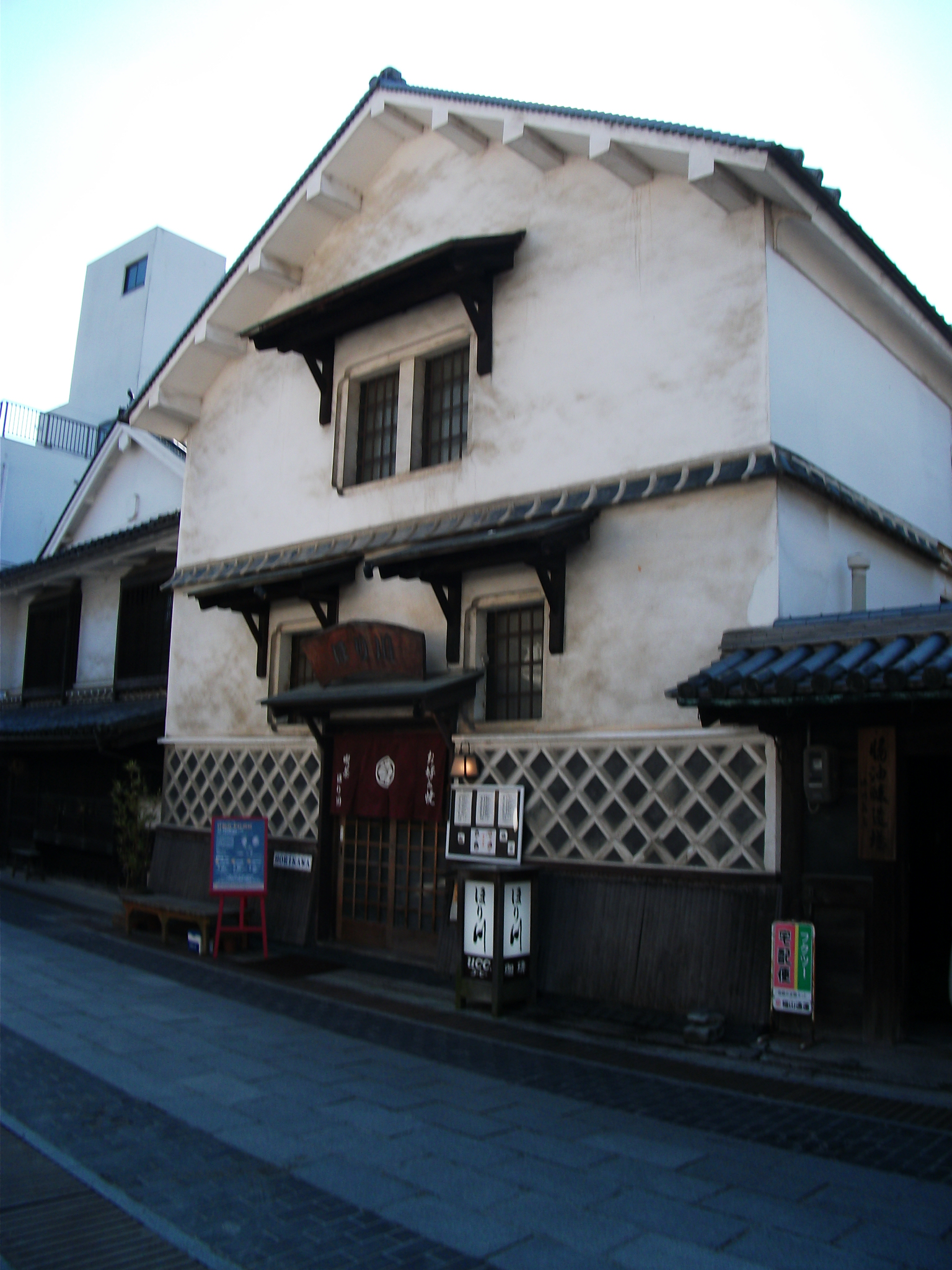 妖精書士 / CC BY-SA 3.0
Takehara Preservation District
Locally knownTakehara made its money from salt and sake. The Seto Inland Sea coast here was laid out as evaporation flats in the seve…
Kirosan Observatory Park
Little knownKirosan is a 301-metre hill at the southern tip of Oshima, looking down on the Kurushima Strait — one of the three faste…
Plus de lieux à Préfecture d'Ehime
Shimanami Kaido (Imabari side)
Little knownThe Shimanami Kaido runs 70 kilometers from Honshu to Shikoku, crossing the Seto Inland Sea by hopping six islands conne…
 Maarten Heerlien from Voorschoten, The Netherlands / CC BY 2.0
Ishite-ji Temple
Locally knownIshite-ji is Temple #51 of the 88-temple Shikoku Pilgrimage, a large Buddhist complex featuring a towering three-story p…
 Illustration — il ne s'agit pas d'une photographie
Tobe Pottery
Locally knownTobe-yaki is Ehime's signature ceramic style, characterized by thick white porcelain hand-painted with indigo-blue botan…