
このページはまだ翻訳されていないため、英語で表示しています。
Shayokan
調査・執筆 Hinato
青森県 · Goshogawara
40.9206°N, 140.5519°E
Dazai Osamu wrote No Longer Human and The Setting Sun, drowned himself in 1948 at thirty-eight, and is read by essentially every Japanese teenager. He was born in 1909 in this house, in the small town of Kanagi on the Tsugaru plain, the tenth child of a landlord and moneylender rich enough to build something extraordinary: nineteen rooms across two floors, brick-walled, with a Western-style reception room, a huge interior staircase and a walled garden, put up in 1907 on the profits of tenant farming.
His discomfort with that inheritance runs through everything he wrote. The house was a ryokan for decades after the family lost it, was bought by the town in 1996, opened as a museum, and designated an Important Cultural Property in 2004. Walking through it makes the class distance in his work suddenly physical — this is what he was ashamed of.
基本情報
営業時間
9:00 AM – 5:00 PM | Last entry 4:30 PM
定休日: Closed 29 December
料金
¥600 general | ¥400 high school and university students | ¥250 elementary and junior high school students | Combination ticket with the Tsugaru Shamisen Hall available
ベストシーズン
Year-round | Winter to combine with the stove train
滞在目安
60–90 minutes
アクセス
アクセス情報
インサイダーガイド
近くのスポット
Shayokanから直線距離で近い穴場スポットです。
 Amiden / CC BY-SA 3.0
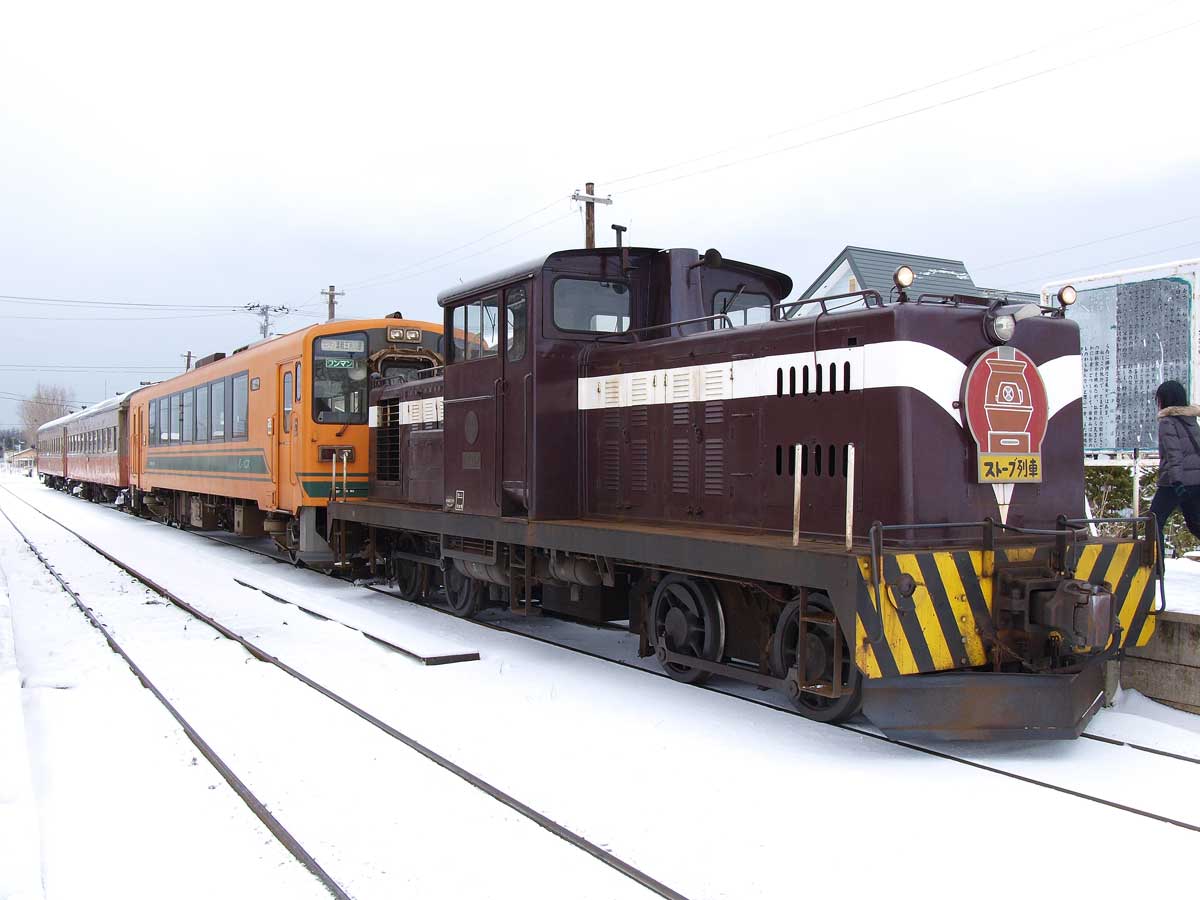
Tsugaru Railway Stove Train
Little knownThe Tsugaru Railway runs twenty kilometres north from Goshogawara across the flat snow country of the Tsugaru plain, and…
 z tanuki / CC BY 3.0
Tsugaru Shamisen
Little knownTsugaru Shamisen (津軽三味線) is a percussive, emotionally raw style of shamisen (three-stringed Japanese lute) music origina…
 Tomokazu Kitjaima / CC BY-SA 3.0
Tachineputa Matsuri
Little knownGoshogawara Tachineputa Matsuri (立佞武多, held August 4-8) is Aomori's second great summer festival, featuring the world's…
 z tanuki / CC BY 3.0
Sannai-Maruyama Site
Well knownSannai-Maruyama (三内丸山遺跡) is Japan's largest and most significant Jomon-period archaeological site, preserving a settleme…
 D-Chillz / CC BY-SA 4.0
Takayama Inari Shrine
Little knownEveryone photographs the tunnel of torii at Fushimi Inari in Kyoto, packed shoulder to shoulder. Takayama Inari has some…
Aji no Sapporo Onishi
Little knownMiso curry milk ramen is exactly what it says: a miso base, curry powder, milk, and a pat of butter on top, with bean sp…
青森県のその他のスポット
Hotokegaura
Locally knownTwo kilometres of white volcanic tuff on the western shore of the Shimokita peninsula, eroded by wind and sea into tower…
 掬茶 / CC BY-SA 4.0
Juniko Aoike
Little knownJuniko is a scatter of thirty-three lakes and ponds in beech forest at the western edge of the Shirakami mountains, form…
Stairway National Route 339
Little knownNational Route 339 runs up the Tsugaru peninsula to Cape Tappi, and for 388 metres of its length it is a flight of 362 c…