
이 페이지는 아직 번역되지 않아 영어로 표시됩니다.
Arakiya
조사·집필 Hinato
시마네현 · Izumo
35.3977°N, 132.6823°E
There are a dozen soba shops around Izumo Taisha and Arakiya is the oldest of them, founded in the Tenmei era of the 1780s and run continuously for around 220 years. It sits on a side street behind the shrine rather than on the approach, which is part of why it has kept a local clientele rather than becoming a coach stop.
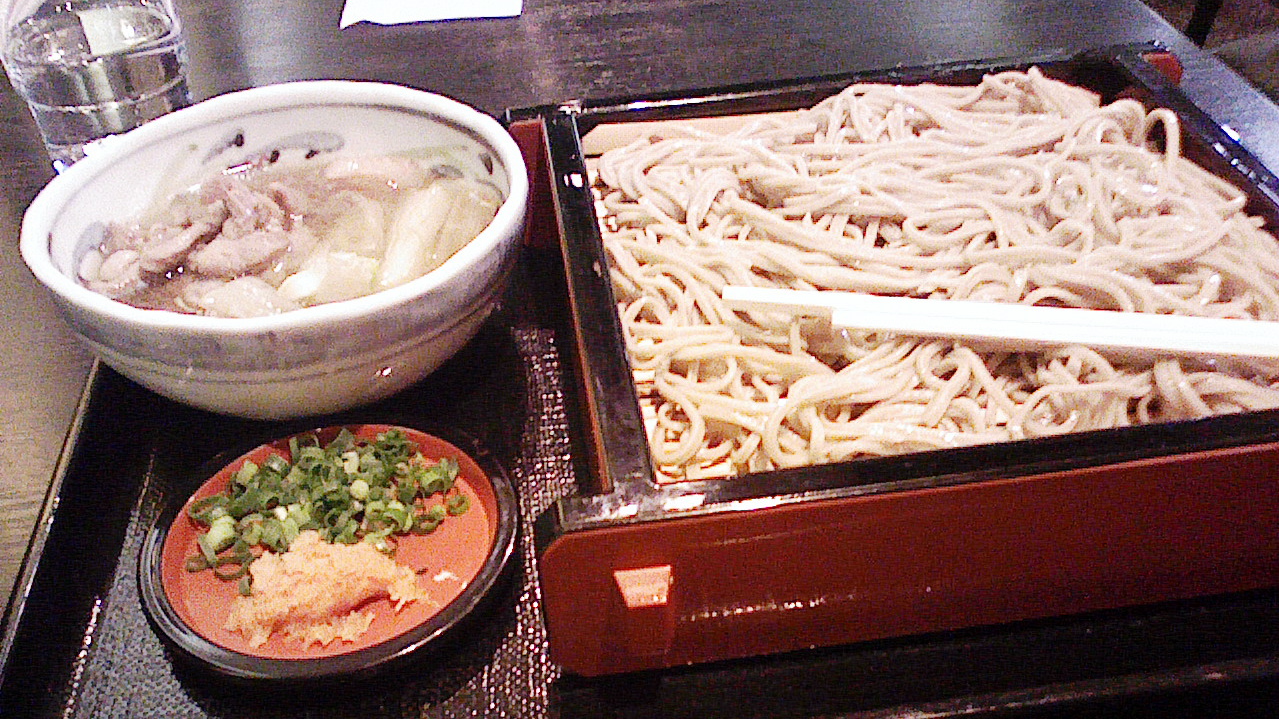
Izumo soba is milled with the buckwheat husk still on, which makes it darker, coarser and more strongly flavoured than soba elsewhere in Japan, and it is served warigo style — three stacked lacquered discs, with the broth poured onto the top one and then tipped down through the stack. Arakiya stone-mills its own buckwheat, draws its water from the shop's own well, and makes the broth from dried sardines, which gives it a cleaner and less sweet character than most. It is also credited locally as the place where the pairing of soba and zenzai began.
The dining room itself has changed little over the shop's long run — low wooden counters, a handful of tables, and a kitchen visible enough that you can watch the stone mill and the noodle-cutting from your seat on a quiet afternoon. Because Izumo soba is milled with the husk intact, the noodle has a slightly grainy bite and an earthy, almost nutty flavor that first-time visitors sometimes find stronger than the refined white soba served elsewhere in Japan; regulars consider that roughness the entire point, and shops that strip it out to appeal to tourists are generally looked down on locally. Arakiya's position a short walk off the main shrine approach means it draws a mix of Izumo Taisha pilgrims making a deliberate detour and Taisha-cho residents who have eaten here for generations, and on a slow weekday the two groups sometimes end up trading opinions about how much broth to pour at each stage of the warigo stack.
기본 정보
영업시간
11:00 AM – 4:00 PM (closes when the day's soba runs out)
휴무일: Closed Wednesdays, or the following day when the Wednesday is a national holiday
입장료
Warigo soba around ¥1,080 | Sandai soba around ¥1,230
베스트 시즌
Year-round | New buckwheat in late autumn
방문 소요 시간
45–60 minutes
가는 방법
교통 정보
인사이더 가이드
주변 스팟
Arakiya에서 직선거리로 가장 가까운 히든 스팟들입니다.
 boreal eye / CC BY 2.0
Izumo Soba
Little knownIzumo Soba (出雲そば) is Shimane's signature noodle dish, served in a unique warigo (割子) style: three small stacked lacquere…
 iku / CC BY-SA 4.0
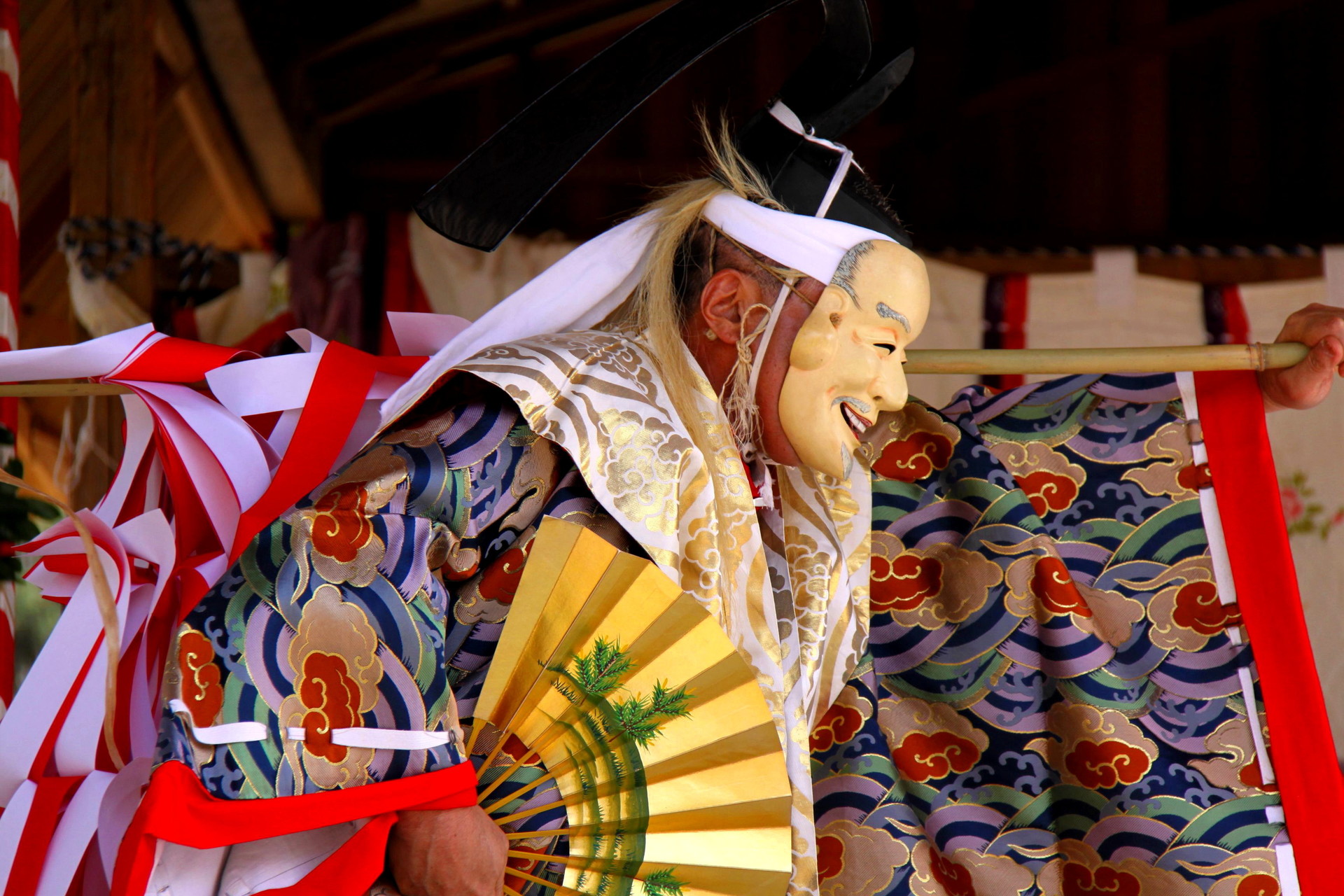
Izumo Taisha
FamousIzumo Taisha is one of Japan's oldest shrines, maybe the oldest depending on who's counting. It's dedicated to Okuninush…
Karakama Shrine
Little knownKarakama Shrine is reached by squeezing through a gap in a rock. The approach climbs a steep flight of stone steps into…
 スタジオ・フェイス / CC BY-SA 4.0
Hinomisaki Shrine & Lighthouse
Little knownHinomisaki (日御碕) is a dramatic cape at Shimane's western tip featuring Hinomisaki Shrine (vermillion shrine buildings) a…
 Nesnad / CC BY 4.0
Shussai Kiln
Little knownShussai Kiln was started in 1947 by five local men in their twenties, none of them trained potters, who decided to make…
 Tatsuya Sakai / CC BY-SA 3.0
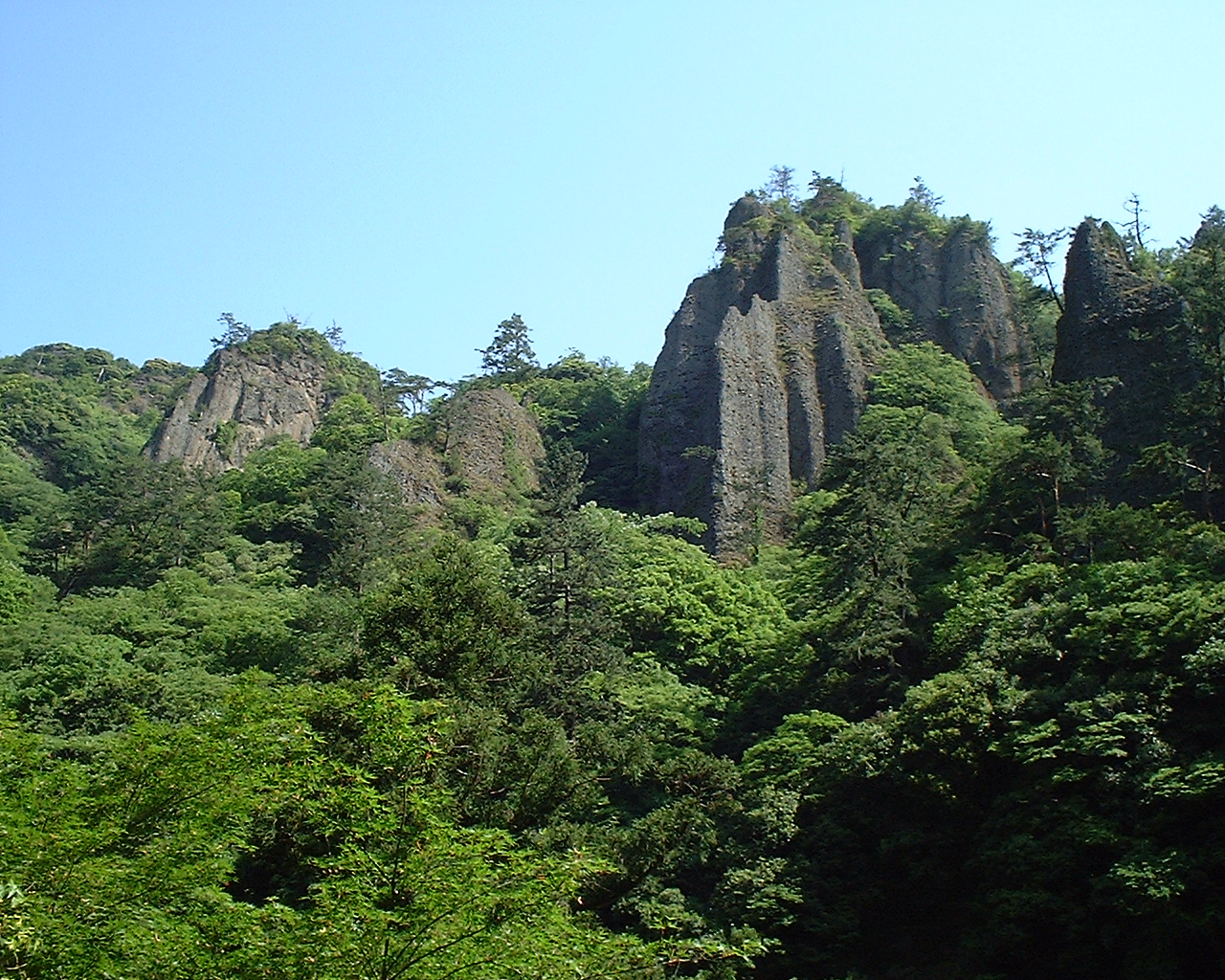
Tachikue Gorge
Little knownTwenty minutes from central Izumo, the Kando River runs between walls of columnar rock rising 100 to 200 metres — eroded…
시마네현의 다른 스팟 더 보기
Oki Islands
Well knownOki Islands (隠岐諸島) are a remote archipelago in the Sea of Japan, 40–80km north of mainland Shimane. The islands form a U…
 by Monado / CC BY-SA 2.5
Kamosu Shrine
Locally knownEveryone goes to Izumo Taisha for the architecture. The oldest surviving example of that architecture is here instead, i…
 Hanabishi / CC BY-SA 3.0
Yaegaki Shrine
Little knownYaegaki enshrines Susanoo and Kushinada — the god who killed the eight-headed serpent Yamata-no-Orochi and the woman he…