
이 페이지는 아직 번역되지 않아 영어로 표시됩니다.
Hamamatsu Music Box Museum
조사·집필 Hinato

Photo: Ariga / Wikimedia Commons (CC BY-SA 4.0) · original
Hamamatsu Museum of Musical Instruments (浜松市楽器博物館) houses 1,300+ musical instruments from around the world, spanning ancient bone flutes to modern synthesizers. The collection emphasizes diversity — Asian gamelan orchestras, African drums, European harpsichords, Middle Eastern ouds, and South American panpipes. Hamamatsu is home to Yamaha and Kawai piano manufacturers, and the museum reflects the city's musical instrument industry heritage.
Visitors can view instruments through transparent displays showing internal mechanisms, listen to recordings of each instrument via headphones, and experience historical keyboard instruments (harpsichord, fortepiano, early pianos) through staff demonstrations. The museum also houses one of the world's largest collections of music boxes and mechanical instruments — automated orchestrions, player pianos, and elaborate automaton scenes that combine music with moving figures.
기본 정보
영업시간
9:30 AM – 5:00 PM
휴무일: 2nd and 4th Wednesdays of each month
입장료
¥800 adults | Audio guide ¥200 (recommended)
베스트 시즌
Year-round (indoor museum)
방문 소요 시간
90–120 minutes (with audio guide) | 45–60 minutes (without)
가는 방법
교통 정보
인사이더 가이드
주변 스팟
Hamamatsu Music Box Museum에서 직선거리로 가장 가까운 히든 스팟들입니다.
Hamamatsu Gyoza
Little knownHamamatsu is one of Japan's two gyoza capitals (alongside Utsunomiya in Tochigi Prefecture), and local gyoza style empha…
 Wei-Te Wong from Taipei City, Taiwan, Republic of China / CC BY-SA 2.0
Unagi no Kabayaki
Little knownHamamatsu is Japan's eel capital, producing 40% of the nation's farmed unagi (freshwater eel) from Lake Hamana's brackis…
 SUN / CC BY 4.0
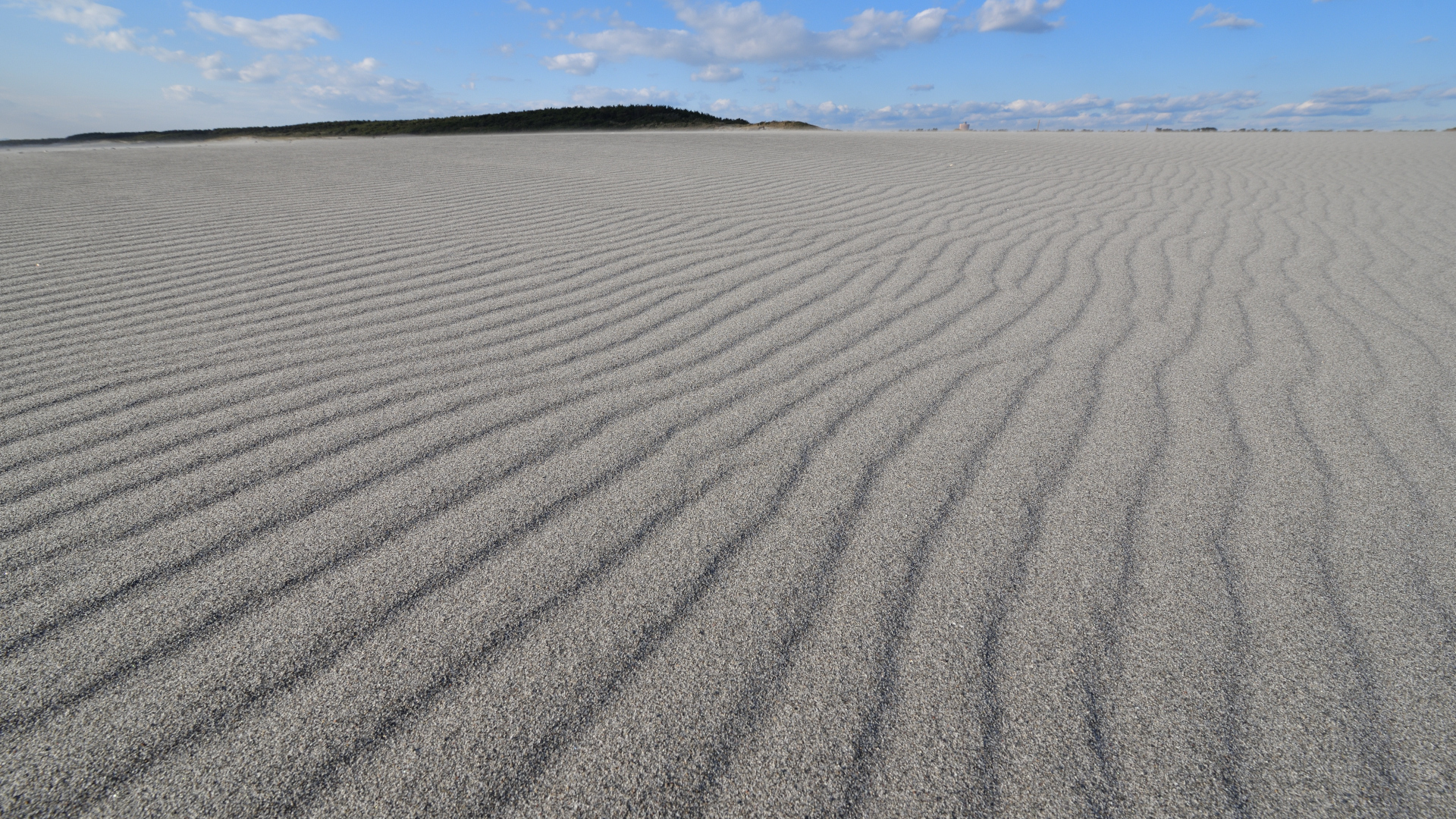
Hamamatsu Sand Dunes
Little knownNakatajima Sand Dunes (中田島砂丘) are Japan's three largest coastal sand dunes, stretching 4km along the Pacific coast with…
 Hunini / CC BY-SA 4.0
Hamamatsu Air Base Festival
Little knownHamamatsu Air Base (浜松基地) is Japan Air Self-Defense Force's (JASDF) largest air base, home to the Blue Impulse aerobatic…
 Dr.yellow / CC BY-SA 4.0
Lake Hamana Eel Farming
Little knownLake Hamana (浜名湖) is Japan's eel farming center, producing 40% of the nation's farmed unagi (freshwater eel) using tradi…
 Bariston / CC BY-SA 4.0
Gamagori Laguna Ten Bosch
Little knownLaguna Ten Bosch (ラグーナテンボス) is a seaside resort complex in Gamagori combining a theme park (Lagunasia), hot spring facil…
시즈오카현의 다른 스팟 더 보기
 Kentaro Ohno さん https://www.flickr.com/photos/inucara/ / CC BY 2.0
Numazu Deep Sea Aquarium
Little knownNumazu Deep Sea Aquarium (沼津港深海水族館) specializes in deep-sea marine life from Suruga Bay, one of Japan's deepest bays (ma…
 Mayuno / CC BY-SA 3.0
Fuji Safari Park
Well knownFuji Safari Park (富士サファリパーク) is a 74-hectare drive-through wildlife park at the base of Mt. Fuji where visitors observe…
 KΛNΛTΛ / CC BY-SA 3.0
Sunpu Castle Park
Little knownSunpu Castle (駿府城) was Tokugawa Ieyasu's retirement residence after he passed the shogunate to his son in 1605. Ieyasu g…