
이 페이지는 아직 번역되지 않아 영어로 표시됩니다.
Oyu Stone Circles
조사·집필 Hinato

Photo: z tanuki / Wikimedia Commons (CC BY 3.0) · original
Two stone circles, Manza and Nonakado, stand on a river terrace in Kazuno, each a double ring of river cobbles carried up from a stream several kilometres away and laid out about four thousand years ago. Between them, on a line, is the midsummer sunset. Around the rings are the postholes of buildings, storage pits and burials, so this was not an isolated monument but the ceremonial centre of a settled landscape.
The sundial-shaped arrangements at the edge of each circle are the famous element — an upright stone at the centre of a radiating pattern of flat ones. They were designated a Special Historic Site in 1956 and inscribed as part of the Jomon Prehistoric Sites in Northern Japan World Heritage listing in 2021. The site is free; the museum beside it charges ¥320 and holds the excavated material.
기본 정보
영업시간
Museum 9:00 AM – 6:00 PM (April–October) | 9:00 AM – 4:00 PM (November–March) | Circles open access
휴무일: 29 December – 3 January
입장료
Stone circles free | Museum exhibition ¥320 adults, ¥110 elementary, junior high and high school students
베스트 시즌
Late April–October | June for the solstice alignment
방문 소요 시간
60–90 minutes
가는 방법
교통 정보
인사이더 가이드
주변 스팟
Oyu Stone Circles에서 직선거리로 가장 가까운 히든 스팟들입니다.
 掬茶 / CC BY-SA 4.0
Korakukan
Locally knownKorakukan was built in 1910 as a welfare facility for the Kosaka mine, which was then one of the richest in Japan, and i…
 掬茶 / CC BY-SA 4.0
Kosaka Mine Office
Locally knownKosaka was, at the start of the twentieth century, the largest producer of silver in Japan and later of copper, and in 1…
 Raita Futo from Tokyo, Japan / CC BY 2.0
Lake Towada (Akita side)
Little knownLake Towada (十和田湖) is a double-caldera lake straddling the Akita-Aomori border, formed by volcanic eruptions 13,000 and…
 掬茶 / CC BY-SA 4.0
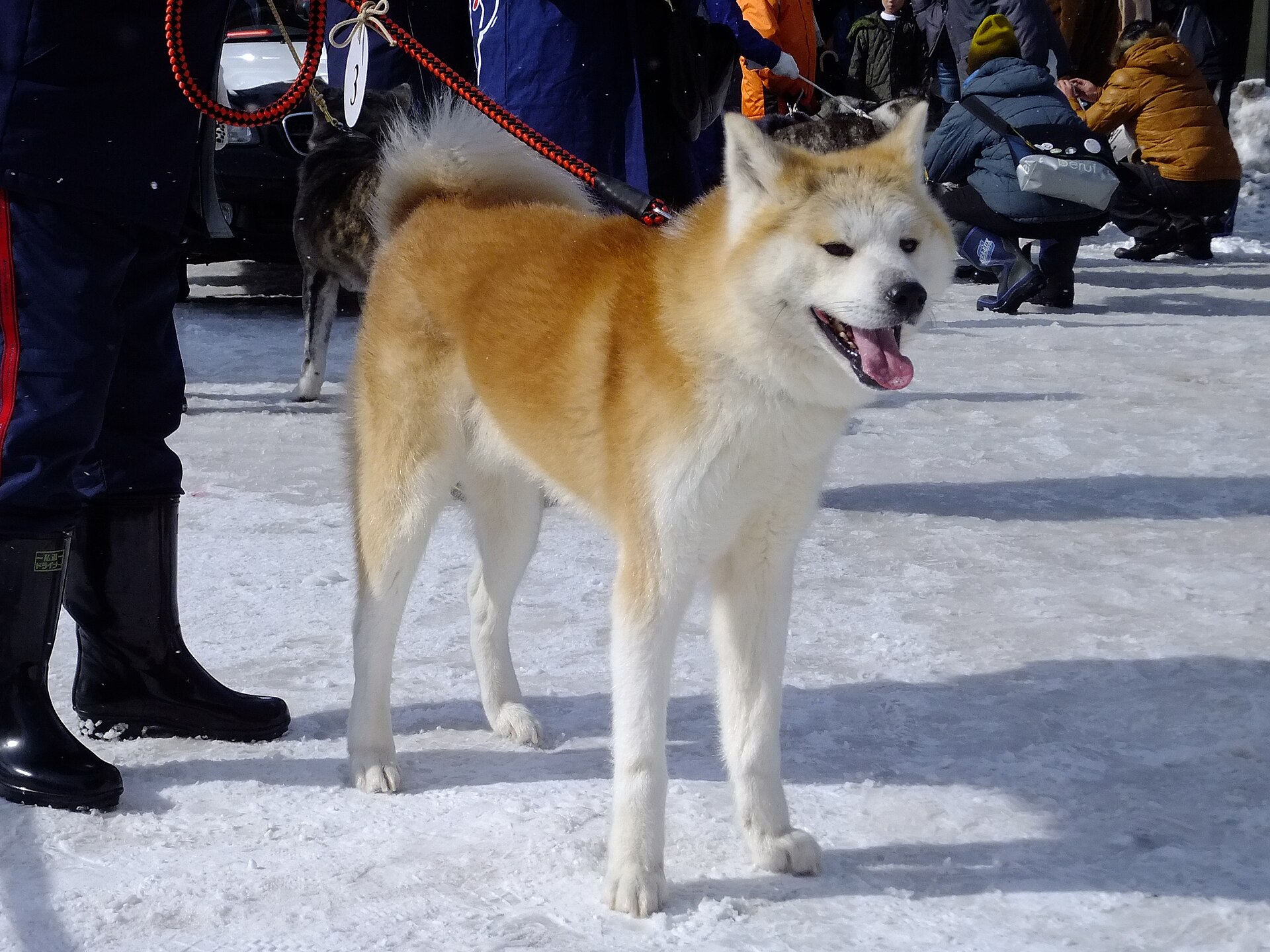
Akita Inu Dogs
Little knownAkita Inu (秋田犬) are one of Japan's six native dog breeds, designated a Natural Monument in 1931. Originating in the Odat…
 Raita Futo from Tokyo, Japan / CC BY 2.0
Lake Towada (Aomori side)
Well knownLake Towada (十和田湖) is a double-caldera lake straddling the Aomori-Akita border, formed by volcanic eruptions 200,000 yea…
 掬茶 / CC BY-SA 3.0
Goshogake Onsen
Little knownGoshogake sits at about a thousand metres on the western flank of Hachimantai in an area of active geothermal ground, an…
아키타현의 다른 스팟 더 보기
Shinzan Shrine
Little knownShinzan Shrine (真山神社) in Oga Peninsula is the spiritual home of the Namahage tradition, where ritual demon costumes are…
 Koda6029 / CC BY-SA 4.0
Hachimantai Plateau
Little knownHachimantai Plateau (八幡平) is a volcanic highland straddling the Akita-Iwate border, part of Towada-Hachimantai National…
 掬茶 / CC BY-SA 4.0
Akita Museum of Art
Little knownThe Akita Museum of Art (秋田県立美術館) is a striking triangular glass building designed by architect Tadao Ando, housing the…