
Iwate Hidden Gems
Iwate is the second-largest prefecture and one of the emptiest, which means the drive between two things you want to see is often longer than either visit. The interior is a broad basin between two mountain ranges, with Morioka at the junction of three rivers. The Pacific side is a ria coastline of drowned valleys and cliffs, which is why the 2011 tsunami ran so high here and why the rebuilt towns now sit further up the slope than the ones they replaced. The history that justifies the journey is Hiraizumi, where the Oshu Fujiwara ran a northern capital in the twelfth century wealthy enough to rival Kyoto and to gild an entire hall; what survives is quiet in a way Kyoto is not. Morioka has kept an ironware trade going since roughly the same period, and the Sanriku Railway, rebuilt after the tsunami, runs the coast as a working local line rather than a sightseeing service.
4 spots
Climate & Best Season
Cold winters inland, cool summers on the coast; the Kitakami basin sees heavy snow. Best in late spring and autumn.
Famous For (Food)
- Wanko soba
- Morioka reimen
- Jaja-men
- Maesawa beef
Signature Sights
- Hiraizumi's Chuson-ji (UNESCO)
- Geibikei Gorge boat ride
- Sanriku coast cliffs
- Hachimantai volcanic plateau
When to Go
Iwate is cold and its season is short. Snow lies deep in the Kitakami basin from December to March, and the Hachimantai plateau road closes over winter, reopening in April. Summers are cool by Japanese standards with coastal highs around 25°C, and the Pacific fog known as yamase can pull that down sharply on the Sanriku side even in August. Sansa Odori fills Morioka in the first week of August. Autumn colour reaches Hachimantai and Geibikei in October, ahead of most of Honshu. Late April into early May is when the north's cherry blossoms finally open.
Getting Around
The Tohoku Shinkansen runs the length of the prefecture — Tokyo to Morioka takes about two and a quarter hours, and Ichinoseki is the stop for Hiraizumi and Geibikei. That spine is fast; everything east of it is not. Hanamaki Airport handles a handful of domestic routes. Reaching the Sanriku coast means either the Kamaishi line over the mountains or the Sanriku Railway along the shore, both slow and infrequent, and Hachimantai has seasonal buses only. Any itinerary combining the coast and the mountains effectively needs a car. Hiraizumi itself is walkable or cyclable from its station, so that section needs nothing at all.
Local Food
Morioka has three noodle dishes and locals will argue about all of them: wanko soba served in endless small bowls, the chewy cold reimen brought by Korean residents after the war, and jaja-men under miso paste. Maesawa beef is raised in the southern basin around Oshu. The Sanriku coast supplies oysters and wakame through the winter and sea urchin in early summer. Nambu ironware is not food, but the kettles are cast in Morioka and Oshu and they do change the water you brew with.
Iwate Bank Red Brick Building
Tatsuno Kingo designed Tokyo Station, and this is the only building of his left standing in the Tohoku region. It was co…
Nambu Tekki
Nambu Tekki (南部鉄器) is traditional iron casting craft originating in Morioka during the 17th century, producing iron teap…
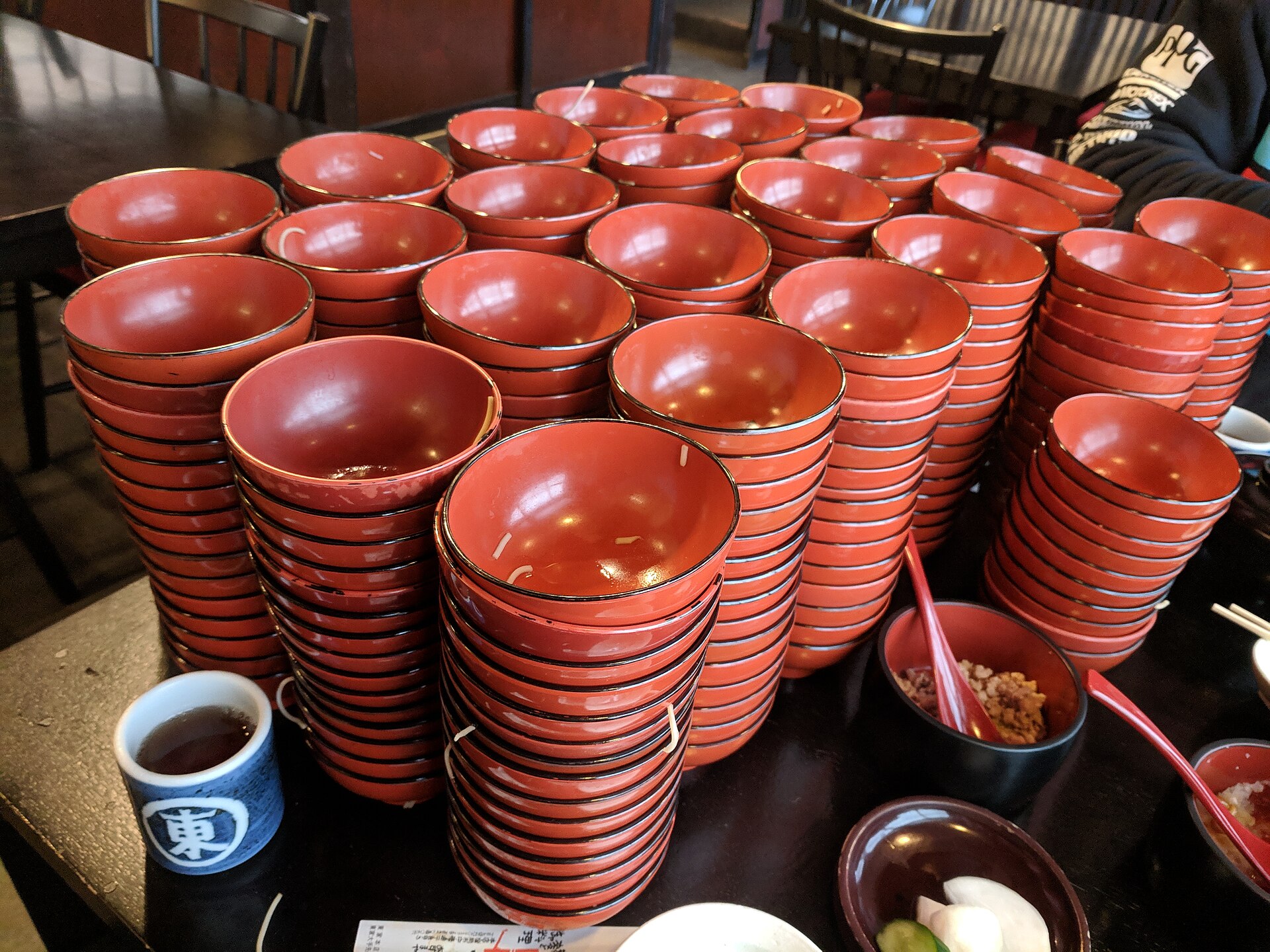
Wanko Soba
Wanko Soba is Morioka's most theatrical dining experience — an all-you-can-eat soba challenge where servers rapidly refi…

Morioka Castle Ruins
Morioka Castle (盛岡城跡公園, now Iwate Park) was built in the early 17th century by the Nanbu clan, who ruled the Morioka Dom…