
Morioka Castle Ruins

Photo: Tomofumi Sato / Wikimedia Commons (CC BY-SA 3.0)
Morioka Castle (盛岡城跡公園, now Iwate Park) was built in the early 17th century by the Nanbu clan, who ruled the Morioka Domain for 260 years during the Edo period. The castle buildings were demolished after the Meiji Restoration (1874), but the impressive stone walls remain intact — some of the finest examples of Edo-period castle masonry in northern Japan. The walls rise 8–10 meters, constructed from massive granite blocks fitted without mortar. The ruins occupy a hill overlooking the confluence of three rivers (Kitakami, Nakatsu, Shizukuishi), providing natural defense. Today the grounds are a public park popular for cherry blossom viewing (400+ trees bloom late April), autumn foliage (November), and summer festivals. The stonework includes steep staircases, curved walls, and corner constructions that demonstrate advanced engineering. Information boards explain the original castle layout and Nanbu clan history.
Essential Information
Opening Hours
Park: open 24/7 (free) | Iwate Museum of History (adjacent): 9:00 AM – 5:00 PM (closed Mondays)
Closed: Park: never closed | Museum: closed Mondays (and Tuesday if Monday is holiday) and year-end (Dec 27–Jan 4)
Entrance Fee
Check locally before visiting
Best Season
Late April to early May for cherry blossoms (400+ trees) | Early November for autumn foliage | Summer evenings for lantern festival events | Winter for quiet stone-wall photography in snow
Visit Duration
45–60 minutes for park walk and stone wall circuit | 2 hours with adjacent history museum | Morning visits for cherry blossom photography before crowds
Getting There
Access Information
Insider Guide
Nearby Spots
The closest hidden gems to Morioka Castle Ruins, by straight-line distance.
Pairon
Jajamen is one of the three noodle dishes Morioka is known for and it is the strangest. Flat warm noodles arrive with a…
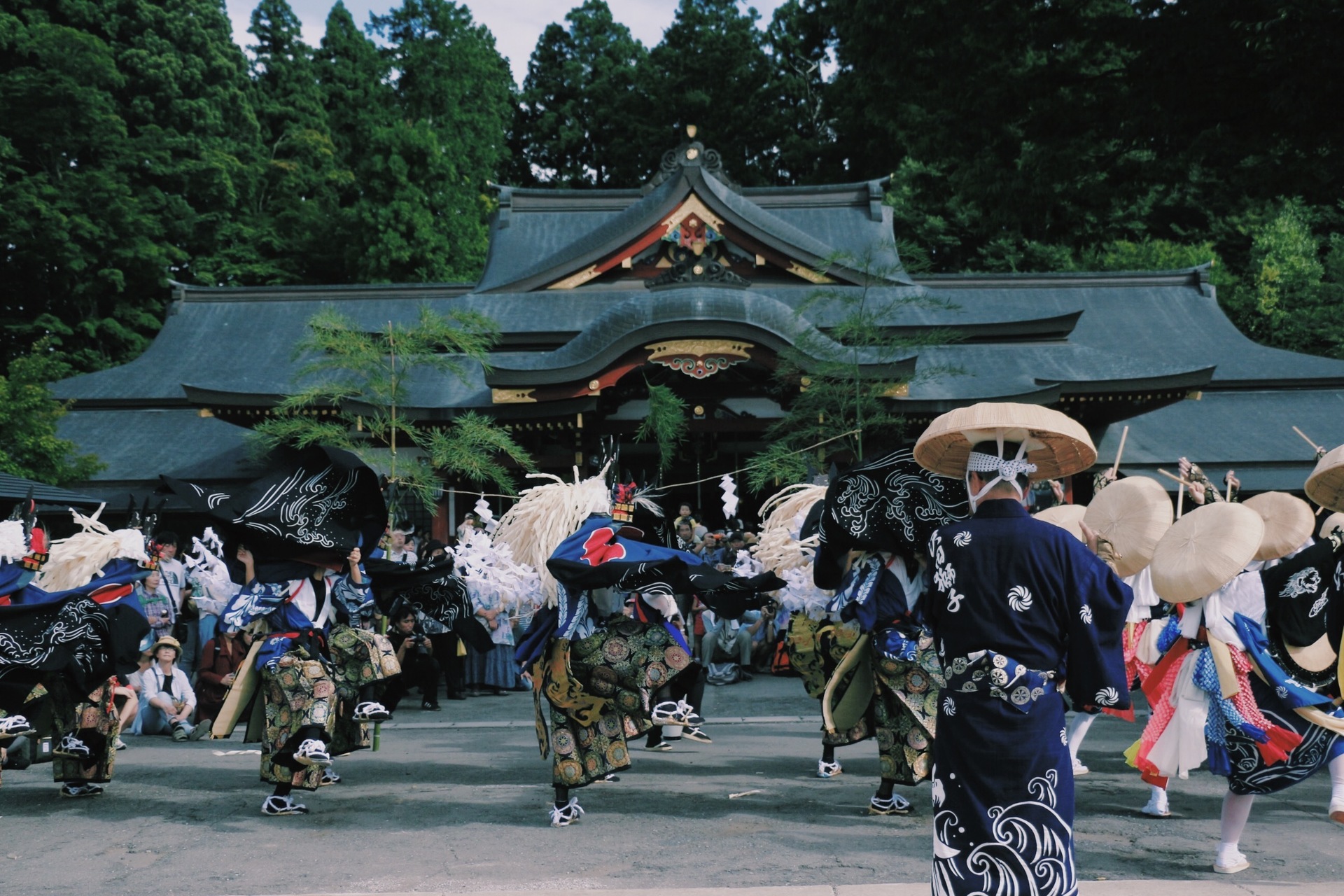
Morioka Sansa Odori
Morioka Sansa Odori is one of Tohoku's greatest summer festivals, held August 1–4 annually. The festival features mass t…
Nambu Tekki
Nambu Tekki (南部鉄器) is traditional iron casting craft originating in Morioka during the 17th century, producing iron teap…
Iwate Bank Red Brick Building
Tatsuno Kingo designed Tokyo Station, and this is the only building of his left standing in the Tohoku region. It was co…

Fukuda Pan
Fukuda Pan has been making koppepan — a soft split bread roll — since 1948, originally supplying school lunches, and it…

Morioka Reimen
Morioka Reimen is one of Morioka's 'Three Great Noodles' — cold buckwheat noodles in icy beef broth, topped with kimchi,…
More in Iwate
Ryusendo Cave
Ryusendo Cave is one of Japan's three largest limestone caves, famous for its underground lakes of exceptional clarity a…
Hanamaki Onsen
Hanamaki Onsen is a collection of hot spring resort villages in the mountains west of Hanamaki City, including Hanamaki…
 Illustration — not a photograph
Ichinoseki Mochi Culture
Ichinoseki has Japan's richest mochi (rice cake) culinary tradition, with over 300 documented mochi dishes developed ove…