
Saga · Ureshino
33.0700°N, 129.9800°E
Hiratani Valley, in the mountains between Ureshino and Nagasaki, follows the upper Hiratani River through a narrow gorge of sculpted granite. The 3km trail passes 12 small waterfalls, pools of extraordinary clarity (visibility 4–5 meters in summer), and one section where the path has been cut directly into the cliff face at water level. The surrounding broadleaf forest filters sunlight into green-gold shafts that illuminate the water surfaces differently every hour.
Essential Information
Opening Hours
Open year-round (outdoor trail)
Closed: Never closed | Trail may be impassable after heavy rain
Entrance Fee
Free
Best Season
July–August for stream swimming | Late October for autumn foliage | Spring for wildflowers
Visit Duration
2–3 hours (full 3km trail and back)
Getting There
Access Information
Insider Guide
Nearby Spots
The closest hidden gems to Hiratani Valley, by straight-line distance.
Ureshino Shochu Distillery
Ureshino City and its surrounding hills have been producing imo-jochu (sweet potato shochu) since the Edo period, using…
Ureshino Onsen
Ureshino Onsen is called 'bijin no yu' (beautiful woman's water) — the sodium bicarbonate-rich water has a slippery, sil…
Ureshino Onsen Ryokan Night Walk
Ureshino's 30 ryokan are concentrated within 800 meters of riverside corridor — close enough that walking the onsen town…
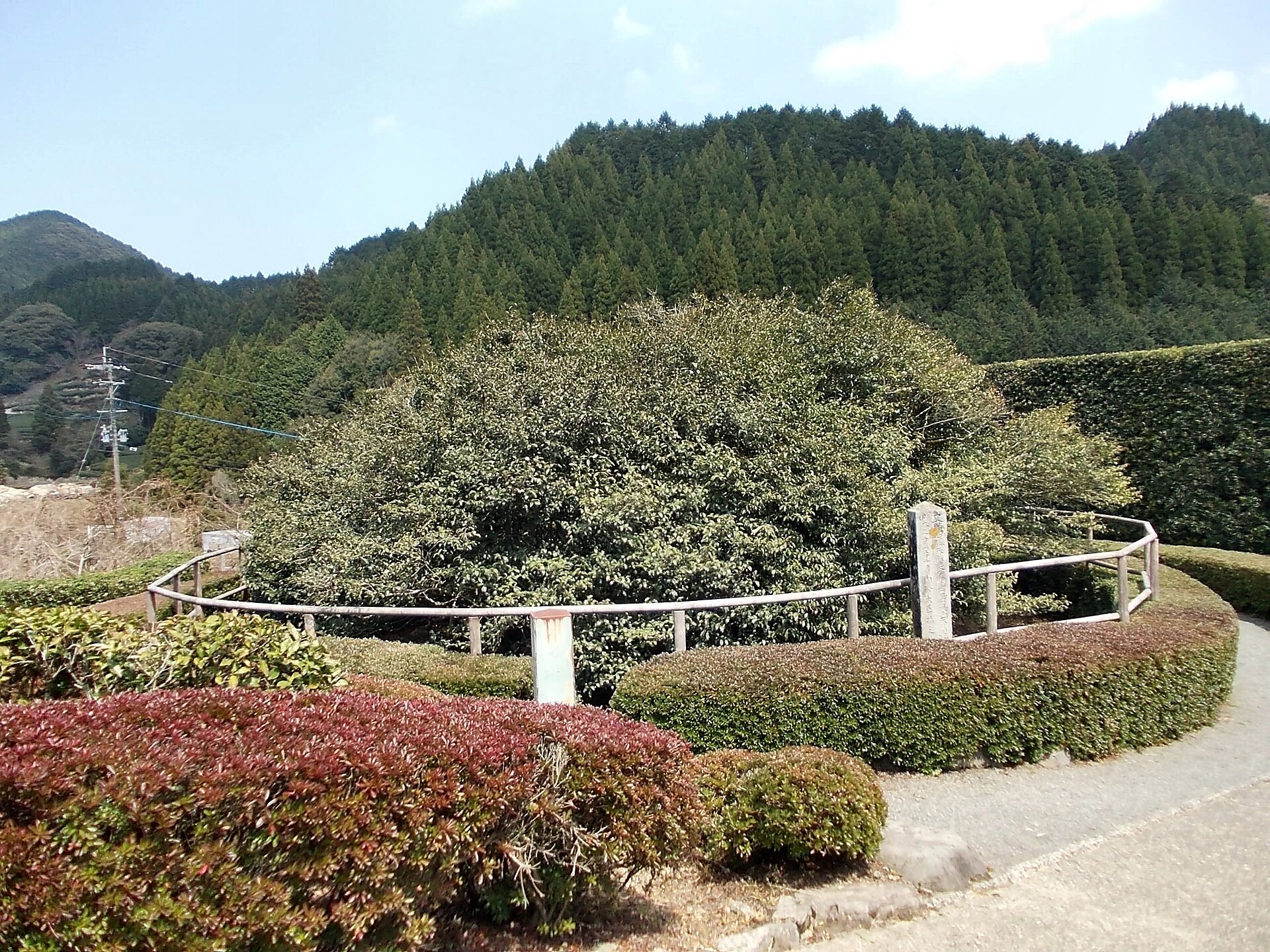
Ureshino Tea
Ureshino-cha is the collective name for teas grown in the mineral-rich hills around Ureshino Onsen — a tradition establi…
Hasami Porcelain
Hasami Town, adjacent to Arita but in Nagasaki Prefecture, has produced porcelain for 400 years using the same clay sour…
Takeo Onsen Motoyu
Motoyu, the central public bath of Takeo Onsen, occupies a building constructed in 1915 in the style of a Noh stage — a…
More in Saga
Niji-no-Matsubara
Niji-no-Matsubara is a 5km arc of coastline planted with approximately 1 million black pine trees — one of Japan's 'thre…
Yoshinogari Historical Park
Yoshinogari is the most significant archaeological site in Japan for understanding the Yayoi period (300 BC–300 AD) — th…
Hamanoura Rice Terraces
The Hamanoura rice terraces, on the western coast of Kyushu facing the Genkai Sea, are ranked among Japan's 100 most bea…