
Honmyo-ji Temple
Kumamoto · Kumamoto City
32.8156°N, 130.7203°E
Honmyo-ji is a Buddhist temple on a forested hill northeast of Kumamoto Castle, established in 1585 by Kato Kiyomasa. The temple complex includes a five-story pagoda, several halls, and the cemetery where generations of the Hosokawa clan (rulers of Kumamoto 1632–1871) are buried. The stone path climbing to the temple passes under 300-year-old cedar trees and 176 stone steps.
The temple's historical significance is as the Hosokawa family temple — their patronage over 240 years created the architecture and landscape visible today.
Essential Information
Opening Hours
9:00 AM – 5:00 PM
Closed: Open year-round
Entrance Fee
Free
Best Season
Spring (April) for cherry blossoms along the stone steps; year-round for quiet alternative to Kumamoto Castle
Visit Duration
45–60 minutes for main hall, pagoda, and Hosokawa cemetery
Getting There
Access Information
Insider Guide
Nearby Spots
The closest hidden gems to Honmyo-ji Temple, by straight-line distance.
Tatsuda-yama Park Cherry Blossoms
Tatsuta-yama Park contains 500 cherry trees (predominantly someiyoshino) planted along a 1.5km hillside path, creating a…

Kumamoto Castle
Kumamoto Castle, completed in 1607, is one of Japan's three premier castles and a masterpiece of defensive architecture.…

Taipien
Taipien is a bowl of clear chicken and pork broth with mung bean vermicelli in it, topped with stir-fried pork, cabbage,…
Ikinari Dango
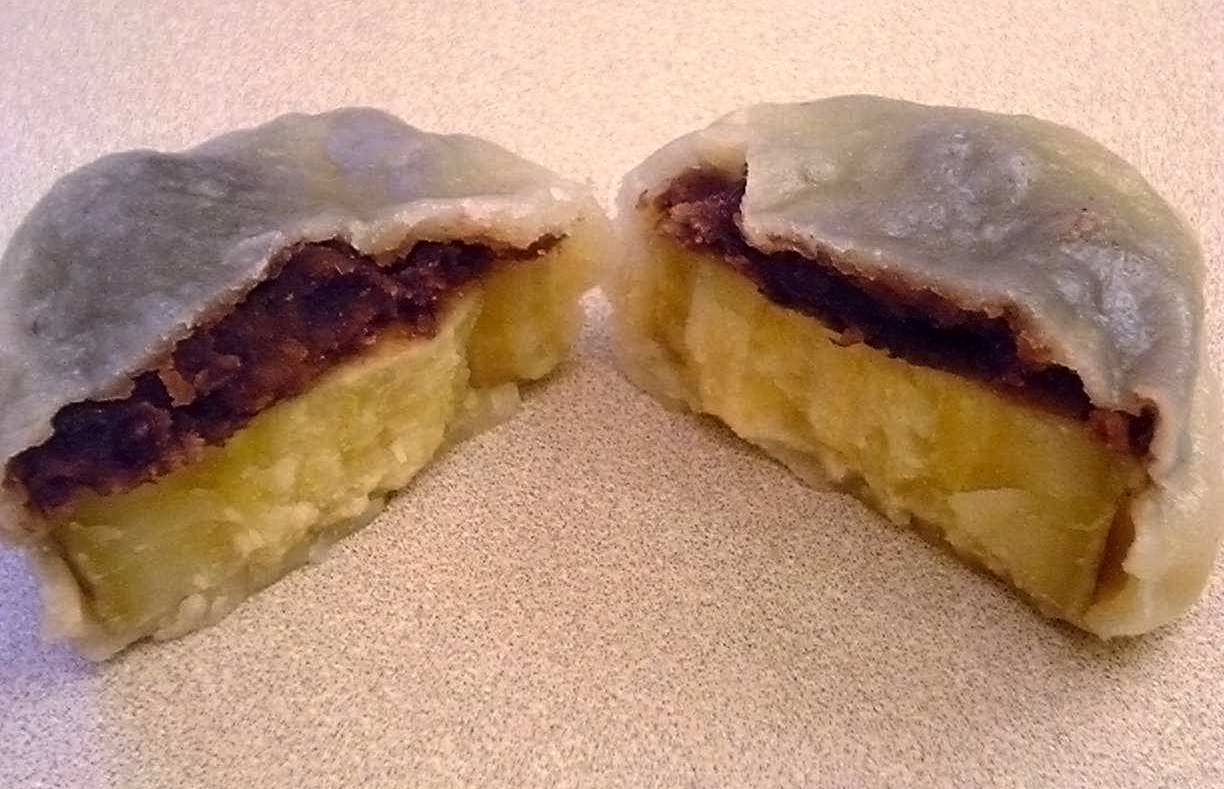
A thick slice of raw sweet potato and a spoonful of sweet bean paste, wrapped in a plain wheat dough and steamed. That i…
Hitomoji Guruguru
A spring onion, briefly blanched, folded in half and then wound round its own white base into a tight coil, served with…

Basashi (Horse Sashimi)
Kumamoto is Japan's capital of basashi (馬刺し) — raw horse meat sliced thin and served with garlic, ginger, and sweet soy…
More in Kumamoto
Shirakawa Spring
The Shirakawa river, which runs through the middle of Kumamoto City, starts here — sixty tonnes a minute coming up out o…
Ikeyama Spring
Ikeyama is a spring in the far north-east corner of Kumamoto, in the village of Ubuyama on the outer rim of the Aso cald…
Tsujun Bridge
The plateau at Yabe had no water. In 1854 the village headman Futa Yasunosuke had this built to get it there: a stone ar…