
Kakinoha-zushi
Researched and written by Hinato
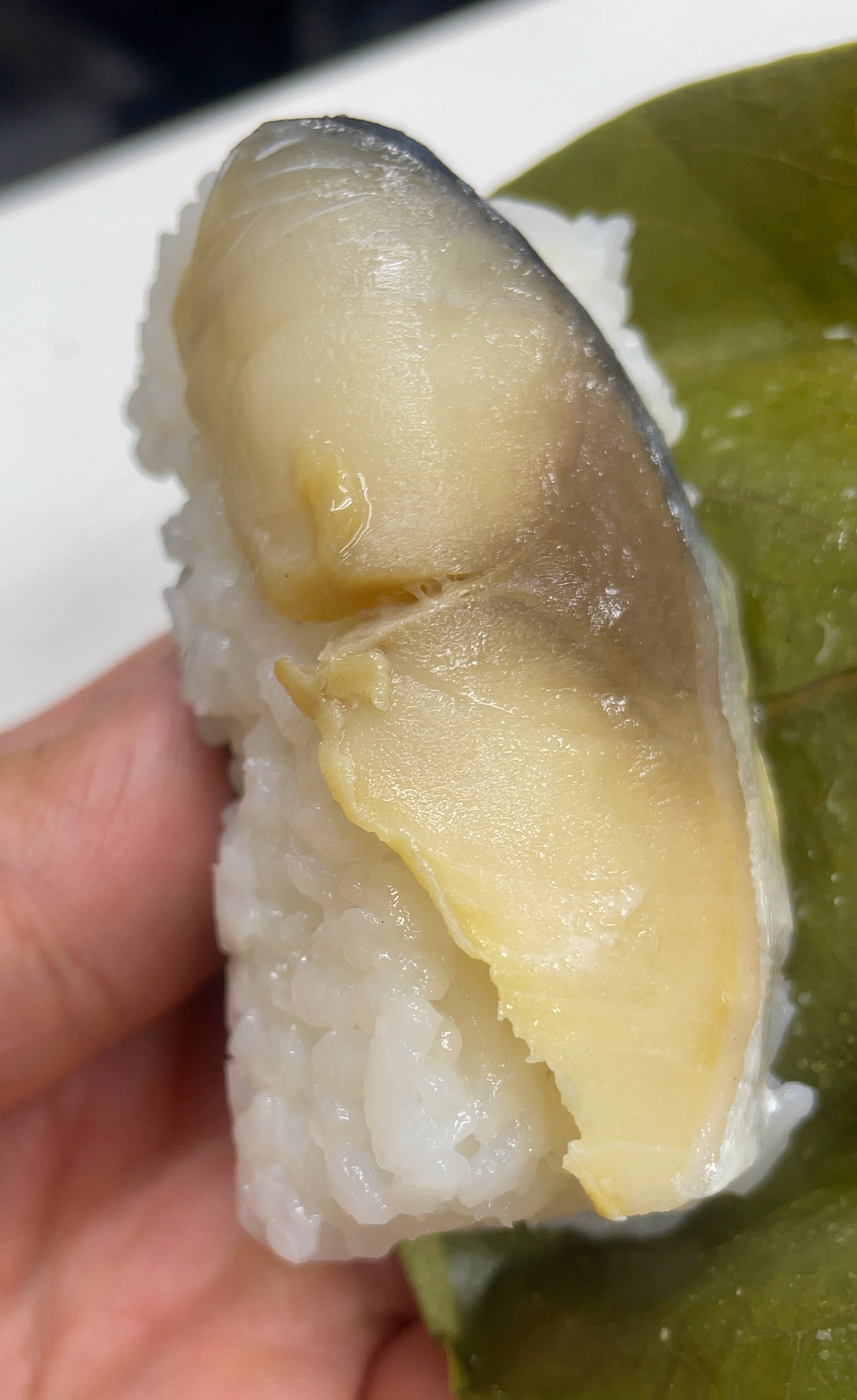
Photo: Kyu3a / Wikimedia Commons (CC BY-SA 4.0) · original
Kakinoha-zushi (柿の葉寿司) is Nara's signature pressed sushi: vinegared rice topped with mackerel, salmon, or sea bream, wrapped in persimmon leaves, and pressed for 1–2 days. The persimmon leaf's natural tannins have antimicrobial properties that preserve the fish and impart a subtle, earthy fragrance to the rice. The sushi originated in the Edo Period as a preservation method for transporting seafood from the coast to landlocked Nara.
Kakinoha-zushi is eaten leaf and all — you unwrap each piece before eating, but the leaf leaves its mark on the flavor and aroma. The texture is denser than nigiri sushi due to pressing, and the rice is more vinegary to aid preservation. Major producers include Tanaka (田中), Hiraso (平宗), and Yamatoya (大和屋), all with shops in Naramachi and Nara Station. The sushi comes in beautiful wooden boxes, making it a popular gift item. Persimmon leaf harvest occurs in June–July; shops stockpile and salt-preserve leaves to use year-round.
The dish's origins reflect Nara's landlocked geography as directly as any food in the region — before refrigeration, fresh mackerel caught along the Kii Peninsula coast had to travel inland by cart or on foot over mountain roads, and by the time it reached Nara it had typically been lightly salted to slow spoilage, which gave the fish a firmer texture and more concentrated flavor than truly fresh catch. Wrapping the salted, pressed sushi in persimmon leaves was a practical solution developed by local families and later refined by specialist shops, using a plant that grew abundantly in the region's orchards rather than anything imported or rare. Over time, what began as a necessity of geography became a source of regional pride, with the leaf's faint fragrance now considered an essential part of the dish's character rather than an incidental wrapping. Because the technique relies on gentle pressure and time rather than heat, kakinoha-zushi retains a cooler, denser mouthfeel than most sushi styles, and many Nara families still consider it a natural food to bring along on train journeys or to serve at home gatherings precisely because it travels and keeps so well.
Practical details
Opening Hours
Tanaka Honten (Kintetsu Nara Station): 9:00 AM – 7:00 PM
Closed: Varies by shop; most open daily including weekends
Entrance Fee
No entry fee | Kakinoha-zushi sets: ¥1,200–2,500 (6–8 pieces)
Best Season
Year-round | Autumn–winter for mackerel season (fattest fish, best flavor)
Visit Duration
15–30 minutes (purchase and eat fresh)
Getting There
Access Information
Available throughout Nara City. Also sold as bento at Nara Station for train journeys. Best consumed within 2 days of purchase. Contains raw fish — refrigeration not required due to preservation method but recommended in summer.
Tips
Shop comparison: Tanaka uses lighter seasoning and thinner leaves, appealing to modern palates. Yamatoya adds innovative varieties (seared salmon, prawn) alongside classics. For first-timers, purchase a sampled assortment (mackerel, salmon, sea bream) to compare flavors — most shops offer 6-piece variety packs (¥1,500).
How to eat: Unwrap the persimmon leaf completely before eating (don't eat the leaf — it's tough and bitter despite being food-safe). The rice side that touched the leaf has absorbed the most fragrance — notice the subtle astringency. Eat at room temperature or slightly chilled — refrigeration dulls the flavors. Pair with green tea to cleanse the palate between pieces.
Regional variations: Yoshino area shops make smaller kakinoha-zushi with mountain river fish (ayu sweetfish) instead of ocean fish — a variation reflecting Yoshino's geography. The leaf-wrapping technique is identical but the flavor profile is earthier. If visiting Mount Yoshino, try the ayu version at Tsurubegensaburo (つるべ源三郎, ¥1,800 per box).
Book Your Stay Nearby
Find accommodation close to Kakinoha-zushi on these trusted booking platforms:
Nearby Spots
The closest hidden gems to Kakinoha-zushi, by straight-line distance.
 jetsun / CC BY-SA 3.0
Wakakusayama Hill
Locally knownWakakusayama (若草山, 'Young Grass Mountain') is a 342-meter grassy hill on Nara Park's eastern edge offering panoramic vie…
 Uo3rt / CC BY-SA 4.0
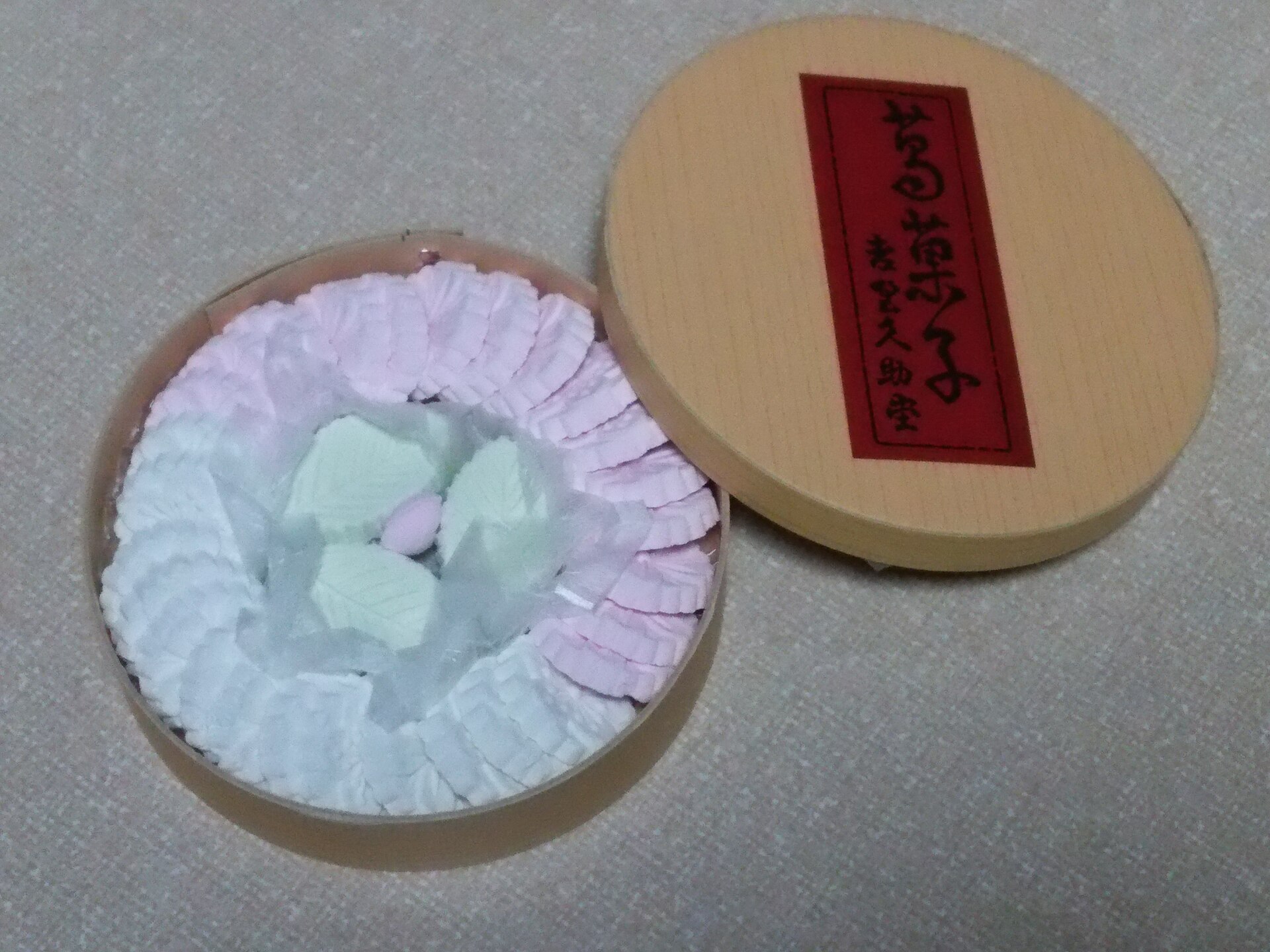
Yoshino Kuzu Mochi
Little knownYoshino is Japan's premier producer of kuzu (葛, arrowroot starch), a plant-based starch extracted from kudzu vine roots…
 Nankou Oronain (as36… / CC BY-SA 3.0
Kongobu-ji Temple
Locally knownKongobu-ji (金剛峯寺) is the head temple of Shingon Buddhism and the administrative center of Koyasan's 117 temples, founded…
 Jpatokal / CC BY-SA 4.0
Shojin Ryori
Locally knownShojin ryori is what Buddhist monks eat: no meat, no fish, no eggs, no onions or garlic (they're thought to stir up desi…
 Yoshio Kohara / CC BY 3.0
Wakayama Castle
Little knownWakayama Castle (和歌山城) is a hilltop fortress built in 1585 by Toyotomi Hideyoshi's brother, later ruled by the powerful…
 Xappyu / CC BY-SA 4.0
Yuasa Soy Sauce Town
Little knownYuasa (湯浅) is a small coastal town credited as the birthplace of Japanese soy sauce (shoyu, 醤油), where Buddhist monks in…