
Yoshino Kuzu Mochi
Researched and written by Hinato
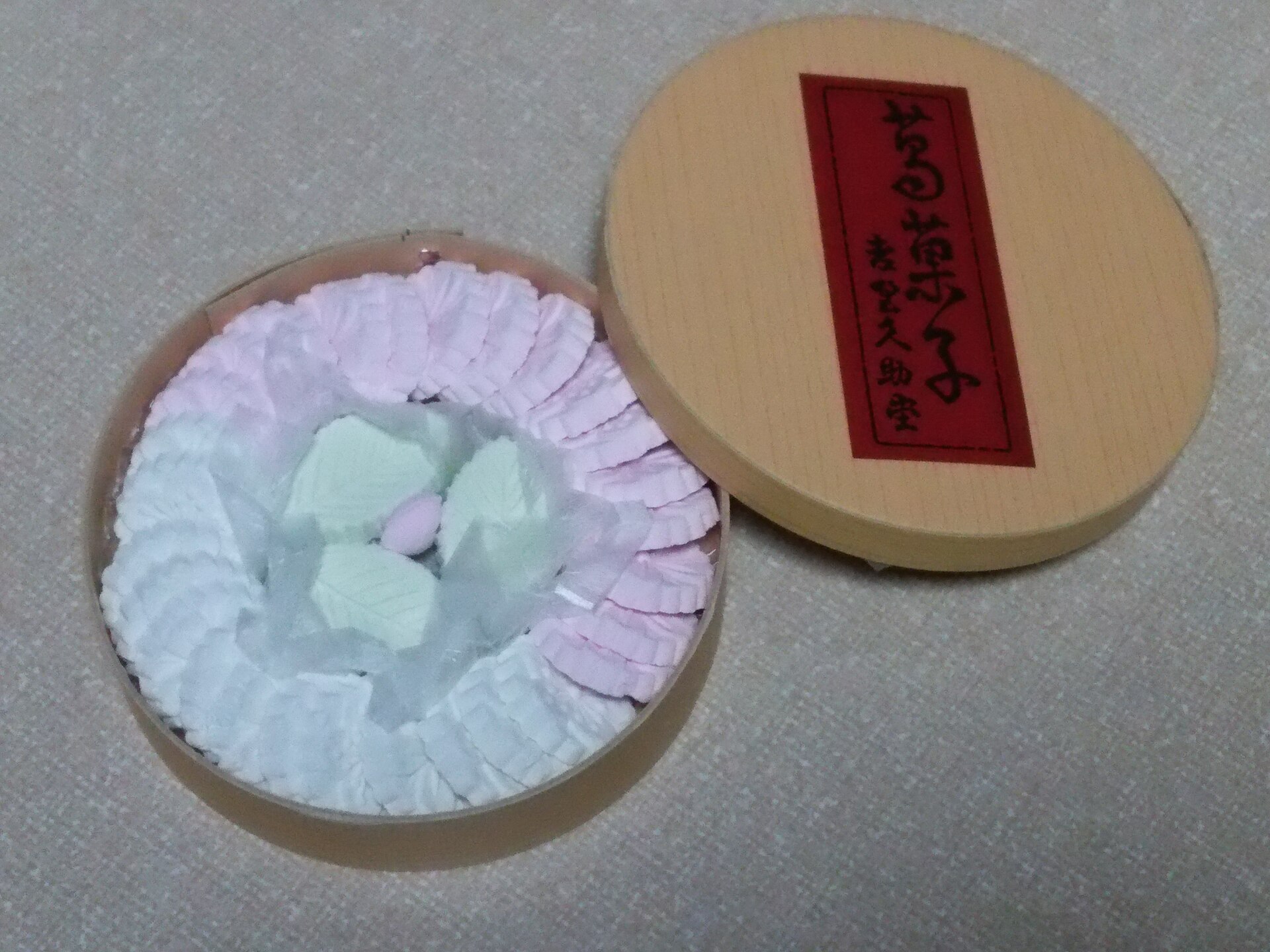
Photo: Uo3rt / Wikimedia Commons (CC BY-SA 4.0) · original
Yoshino is Japan's premier producer of kuzu (葛, arrowroot starch), a plant-based starch extracted from kudzu vine roots that grow wild in the mountains. Kuzu production is labor-intensive: roots are dug in winter, ground into pulp, soaked in cold mountain water for months to separate starch from fibers, and dried into blocks. The result is pure white starch that creates translucent, jelly-like textures when cooked. Yoshino kuzu is prized for its purity and smoothness, commanding prices 10× higher than industrial starches.
Kuzu is used in traditional sweets (kuzumochi, kuzukiri), kaiseki cuisine (thickening agent), and traditional medicine (kuzu root tea aids digestion). Kuzumochi (葛餅) are translucent cubes served chilled with kinako (roasted soybean powder) and kuromitsu (black sugar syrup) — the texture is slippery, bouncy, and refreshing, popular in summer. Yoshino's mountain shops sell fresh kuzumochi made daily. The combination of cool, smooth texture and sweet toppings creates a refined summer treat. Shops also sell blocks of pure kuzu starch (¥1,500–3,000 per 200g) for home use.
The painstaking separation process behind Yoshino kuzu — repeatedly soaking, settling, and decanting ground root pulp in cold mountain water over weeks or months to isolate the pure starch from fiber and impurities — is one of the reasons the region's kuzu has retained its reputation even as cheaper, faster industrial extraction methods became available elsewhere in Japan. Producers who still follow the traditional cold-water method argue that the slow process and the mineral character of Yoshino's mountain water are what give the finished starch its exceptional clarity and smooth, almost silken texture once cooked, qualities that are difficult to replicate with modern shortcuts. Because kuzu vine grows wild in the surrounding mountains rather than being cultivated as a managed crop, root harvesting remains dependent on foragers who understand the terrain and the plant's seasonal growth patterns, a form of knowledge passed down within families that supply the town's kuzu workshops. This combination of wild-harvested raw material and unhurried traditional processing places Yoshino kuzu closer to a regional craft product than an ordinary foodstuff, which is part of why shops selling it treat the starch itself, not just the finished sweets, as worth showcasing to visitors.
Practical details
Opening Hours
Kuzukichi and most kuzu shops: 9:00 AM – 5:00 PM
Closed: Varies by shop; most open daily during tourist season
Entrance Fee
No entry fee | Fresh kuzumochi set: ¥800–1,200
Best Season
Summer (June–August, chilled kuzumochi at peak refreshment value) | Year-round for kuzuyu (hot kuzu tea) in winter
Visit Duration
15–30 minutes (shop visit) | Best combined with Yoshino mountain pilgrimage
Getting There
Access Information
Available throughout Yoshino Village. Shops line the main pilgrimage route from Yoshino Station to Kinpusenji. Best consumed immediately (texture degrades after a few hours). Summer (June–August) is peak season for chilled kuzumochi.
Tips
Fresh vs packaged kuzu: Fresh kuzumochi made that morning has a silky, delicate texture — it jiggles like panna cotta and melts on the tongue. Packaged kuzumochi (sold at Nara Station gift shops for travel) is firmer and chewier due to preservatives. The difference is dramatic — if visiting Yoshino, prioritize eating fresh kuzumochi at a mountain shop rather than buying packaged versions for later. Kuzukiri (葛切り, kuzu noodles) are similar but served in chilled mitsu syrup — equally refreshing, slightly different texture.
Kuzu starch for home: Pure Yoshino kuzu starch is sold in specialty shops — 100% kuzu is expensive (¥3,000 per 200g) but a little goes a long way. At home, dissolve 1 tablespoon kuzu in cold water, heat while stirring until translucent, and pour into molds to cool — you've made kuzumochi. The starch also thickens soups and sauces with glossy, velvety consistency (superior to cornstarch). Yoshino kuzu's purity means it dissolves smoothly without lumps. For food enthusiasts, bringing home kuzu starch is more rewarding than packaged sweets — it's a functional ingredient that demonstrates kuzu's versatility.
Seasonal pairing: Summer kuzumochi is refreshing and chilled; winter kuzu preparations are warm and comforting — kuzuyu (葛湯, hot kuzu tea with grated ginger and sugar) soothes sore throats and warms the body. Shops sell instant kuzuyu packets (¥500–800) — just add hot water. The hot, viscous liquid has a soothing, starchy sweetness. This seasonal adaptability shows how kuzu functions both as dessert and folk medicine. Trying both cold and hot preparations (if visiting year-round) reveals kuzu's full range.
Book Your Stay Nearby
Find accommodation close to Yoshino Kuzu Mochi on these trusted booking platforms:
Nearby Spots
The closest hidden gems to Yoshino Kuzu Mochi, by straight-line distance.
 Nankou Oronain (as36… / CC BY-SA 3.0
Kongobu-ji Temple
Locally knownKongobu-ji (金剛峯寺) is the head temple of Shingon Buddhism and the administrative center of Koyasan's 117 temples, founded…
 Jpatokal / CC BY-SA 4.0
Shojin Ryori
Locally knownShojin ryori is what Buddhist monks eat: no meat, no fish, no eggs, no onions or garlic (they're thought to stir up desi…
 jetsun / CC BY-SA 3.0
Wakakusayama Hill
Locally knownWakakusayama (若草山, 'Young Grass Mountain') is a 342-meter grassy hill on Nara Park's eastern edge offering panoramic vie…
 Kyu3a / CC BY-SA 4.0
Kakinoha-zushi
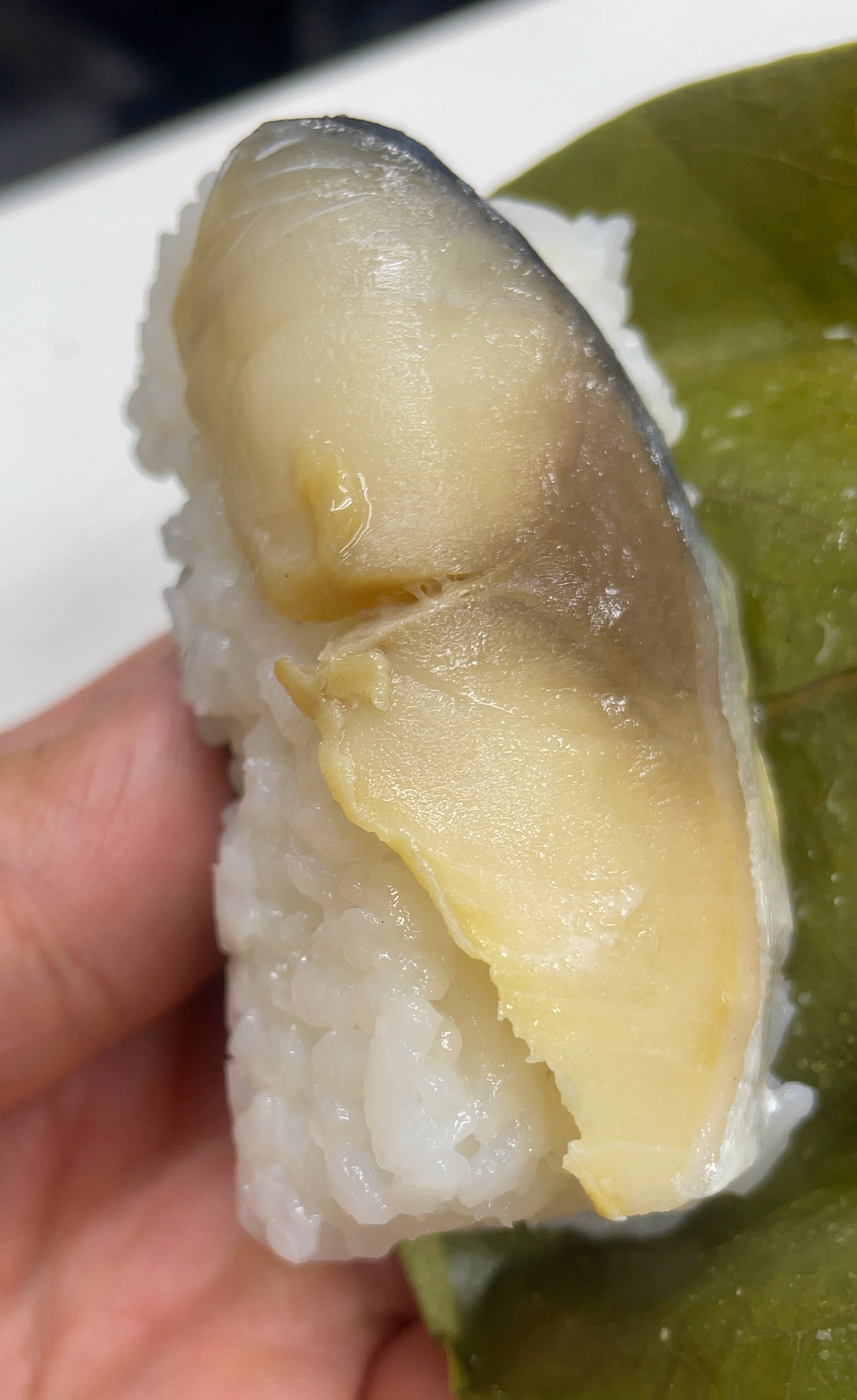
Locally knownKakinoha-zushi (柿の葉寿司) is Nara's signature pressed sushi: vinegared rice topped with mackerel, salmon, or sea bream, wra…
 Nekosuki / CC BY-SA 4.0
Kumano Hongu Taisha
Little knownKumano Hongu Taisha (熊野本宮大社) is the head shrine of the Kumano Sanzan (Three Grand Shrines) and spiritual terminus of the…
 Yoshio Kohara / CC BY 3.0
Wakayama Castle
Little knownWakayama Castle (和歌山城) is a hilltop fortress built in 1585 by Toyotomi Hideyoshi's brother, later ruled by the powerful…