
Nikko Tamozawa Imperial Villa
Tochigi · Nikko
36.7544°N, 139.6083°E
Tamozawa Imperial Villa was built in 1899 as a summer retreat for the Taisho Emperor (then Crown Prince Yoshihito) and his family. The villa is a rare hybrid of traditional Japanese residential architecture and Meiji-era innovations — it incorporates a 400-year-old samurai residence transported from Edo, adds late-Edo shoin-style reception rooms, and integrates Western amenities like glass windows and modern plumbing. The result is a 106-room complex that represents the transition point between feudal and modern Japan.
The villa is built almost entirely of hinoki cypress and keyaki zelkova, with tatami rooms, sliding fusuma doors painted with seasonal landscapes, and interior gardens viewed from wide verandas. The scale is residential, not palatial — the emperor's daily life here was quiet, focused on rest and nature appreciation. The villa was used by the imperial family until 1947, then preserved as a museum. Walking through the interconnected rooms, gardens, and corridors offers an intimate view of imperial domestic life and exceptional Meiji-era craftsmanship.
Essential Information
Opening Hours
9:00 AM – 5:00 PM (April–November) | 9:00 AM – 4:30 PM (December–March)
Closed: Closed Tuesdays (or following Wednesday if Tuesday is holiday)
Entrance Fee
¥510 adults; ¥150 children | English audio guide available | Nikko Botanical Garden (adjacent): ¥500
Best Season
November (autumn foliage viewed from Meiji-era verandas) | May (fresh green and azaleas in garden) | February (snow garden scenes)
Visit Duration
60–90 minutes for full 106-room self-guided tour
Getting There
Access Information
Insider Guide
Nearby Spots
The closest hidden gems to Nikko Tamozawa Imperial Villa, by straight-line distance.
Ebiya Chozo
Nikko and Kyoto both make the skin that forms on heated soy milk, and they write it differently on purpose. Kyoto writes…

Toshogu Shrine
Toshogu Shrine is the mausoleum of Tokugawa Ieyasu, the founder of the Tokugawa Shogunate, and represents the absolute z…
Shinkyo Bridge
Shinkyo is a vermilion-lacquered wooden bridge that arcs over the Daiya River at the entrance to Nikko's shrine district…

Kanmangafuchi Abyss
A twenty-minute walk from the Toshogu crowds, on the far bank of the Daiya River, a lava gorge runs between the trees an…
Kirifuri Falls
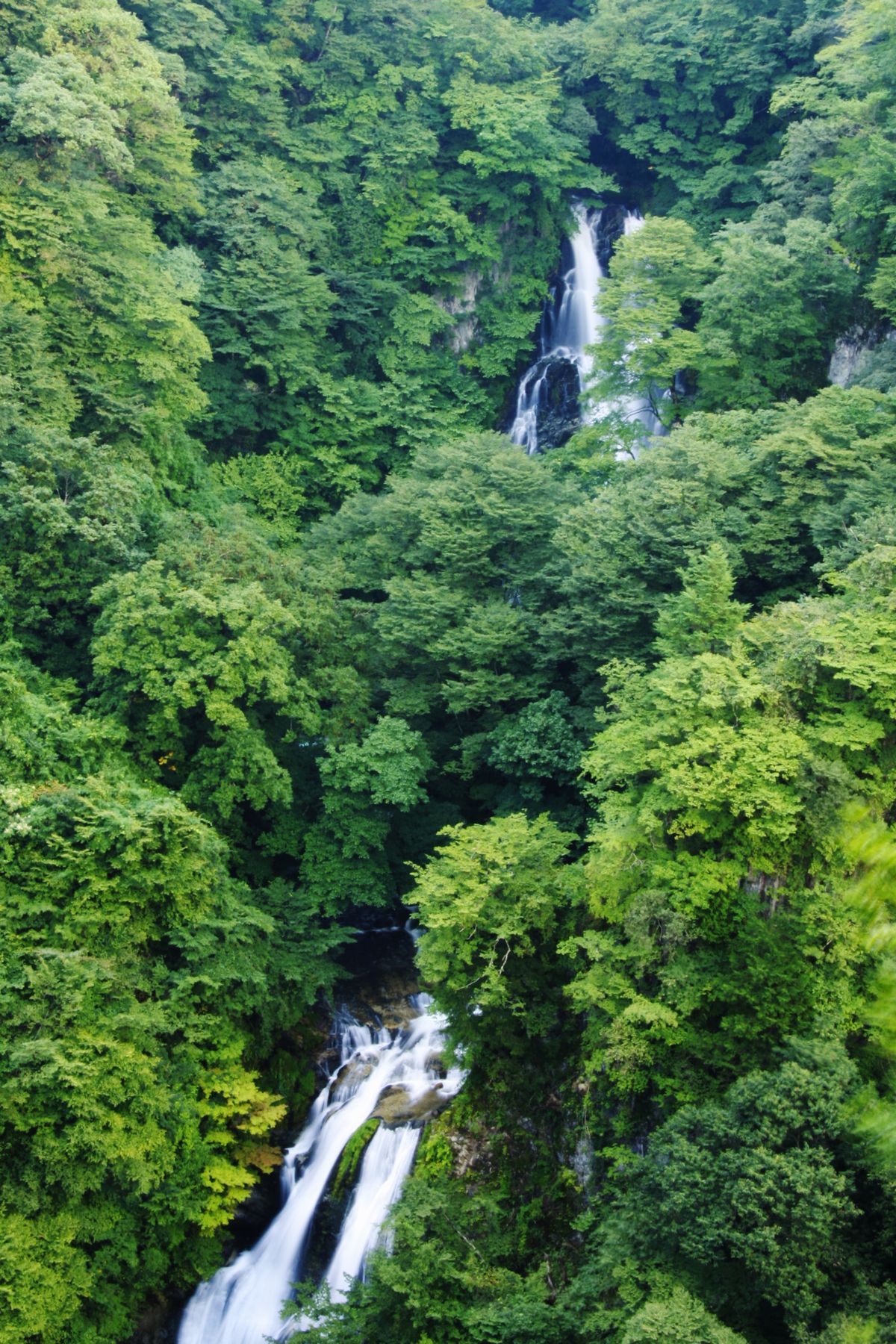
Kirifuri means falling mist, and the name is descriptive: the water drops in two stages, 25 metres and then 26, breaking…
Lake Chuzenji & Kegon Falls
Lake Chuzenji sits at 1,269 meters in a volcanic caldera formed 20,000 years ago when Mount Nantai erupted and lava damm…
More in Tochigi
Mashiko Pottery Town
Mashiko is a pottery town 100 kilometers north of Tokyo that became the spiritual center of Japan's mingei (folk craft)…
 Illustration — not a photograph
Utsunomiya Gyoza
Utsunomiya is Japan's self-proclaimed gyoza capital, with over 200 gyoza specialty restaurants and the highest per-capit…
Nasu Kogen Strawberry Picking
Tochigi Prefecture is Japan's largest strawberry producer, and the Nasu Kogen (Nasu Highlands) region hosts dozens of st…