
Sotomo Crags
Researched and written by Hinato

Photo: 663highland / Wikimedia Commons (CC BY 2.5) · original
The Sotomo coast (蘇洞門) on the Uchikoshi Peninsula in northern Wakasa Bay is a 6-kilometer stretch of sheer granite and andesite cliffs riddled with sea caves, arches, and pinnacle rocks shaped by millennia of wave erosion. The cliffs rise 80–100 meters directly from the Sea of Japan, their stratified layers of orange, gray, and black rock creating abstract patterns visible only from the water.
Tour boats depart from Obama Port for 50-minute cruises that navigate into the sea caves — some large enough for the boat to enter completely, with daylight filtering through cracks in the rock ceiling. The highlight is the Great Gate (大門, O-mon), a natural arch 25 meters high through which the boat passes. The scale is disorienting: standing on a small boat inside a rock cathedral carved by wave action over hundreds of thousands of years. The coast is inaccessible by land — the boat tour is the only way to experience this geological wonder.
Because there's no path along the cliffs, Sotomo stayed essentially unseen except by fishermen until tour boats began running here, and the coast still has none of the guardrails or viewing platforms that usually accompany a scenic spot of this scale in Japan — what you see is what the boat happens to show you, in whatever light and sea state the day provides. The rock itself tells a longer story than the caves alone suggest: the banded colors in the cliff face come from repeated volcanic activity laying down different mineral layers over geological time, later exposed and carved by the same wave action that hollowed out the caves. Local fishing boats still work the calmer stretches of this coastline between tour departures, and it isn't unusual to pass one hauling in a net within sight of the Great Gate, a reminder that Wakasa Bay is a working fishery as much as a scenic backdrop.
Practical details
Opening Hours
Tours run April–November.
Closed: Tours cancel in high waves (above 1.5 meters) or strong winds. Winter (December–March) waves too rough for operation. Check morning of departure.
Entrance Fee
Boat tour: ¥2,300 per person. Full refund for weather cancellations. No entry fee for viewing from Obama Port.
Best Season
May–October for calm seas and reliable departures. Morning departures (9:00, 10:30) have calmer conditions than afternoon. Avoid July–August peak crowds on busy weekends.
Visit Duration
50-minute boat tour. Allow 30 minutes transit from Obama Station. Combine with Obama Fish Market and Myotsuji Temple for a full-day Obama itinerary without a car.
Getting There
Access Information
Sotomo Cave Cruise: departs from Obama Port (小浜港), near Obama Station. Tours: ¥2,300, 50 minutes, departures at 9:00, 10:30, 13:00, 14:30 (seasonal schedule, check ahead). Operates April–November (weather permitting, winter waves too rough). Bring windproof layers.
Tips
Sea conditions: The cruise operates only in calm seas — waves above 1.5 meters cancel tours. Morning departures (9:00, 10:30) generally have calmer conditions than afternoon. Check the company website or call the morning of departure for weather updates. Cancelled tours receive full refunds.
Photography: The boat's bow and stern seats offer the best angles for photographing the caves and arches. The interior cave shots require fast shutter speeds (the boat is constantly moving) and wide-angle lenses. Waterproof camera protection recommended for spray.
Layering strategy: Even in summer, the wind on the open Sea of Japan is cold — bring a windproof jacket. The boat has an enclosed cabin but the best views are from the open deck. Sunglasses and hat essential for glare off the water.
Combine with Obama itinerary: After the cruise, visit Obama Fish Market for late-morning seafood lunch, then walk to Myotsuji Temple to see the five-story pagoda. This completes a full-day Obama experience without needing a car.
Book Your Stay Nearby
Find accommodation close to Sotomo Crags on these trusted booking platforms:
Nearby Spots
The closest hidden gems to Sotomo Crags, by straight-line distance.
 663highland / CC BY 2.5
Kehi Jingu
Locally knownThe great torii at Kehi Jingu is 10.9 metres high, built of wood, and is counted with Kasuga Taisha in Nara and Itsukush…
 Kyu3a / CC BY-SA 4.0
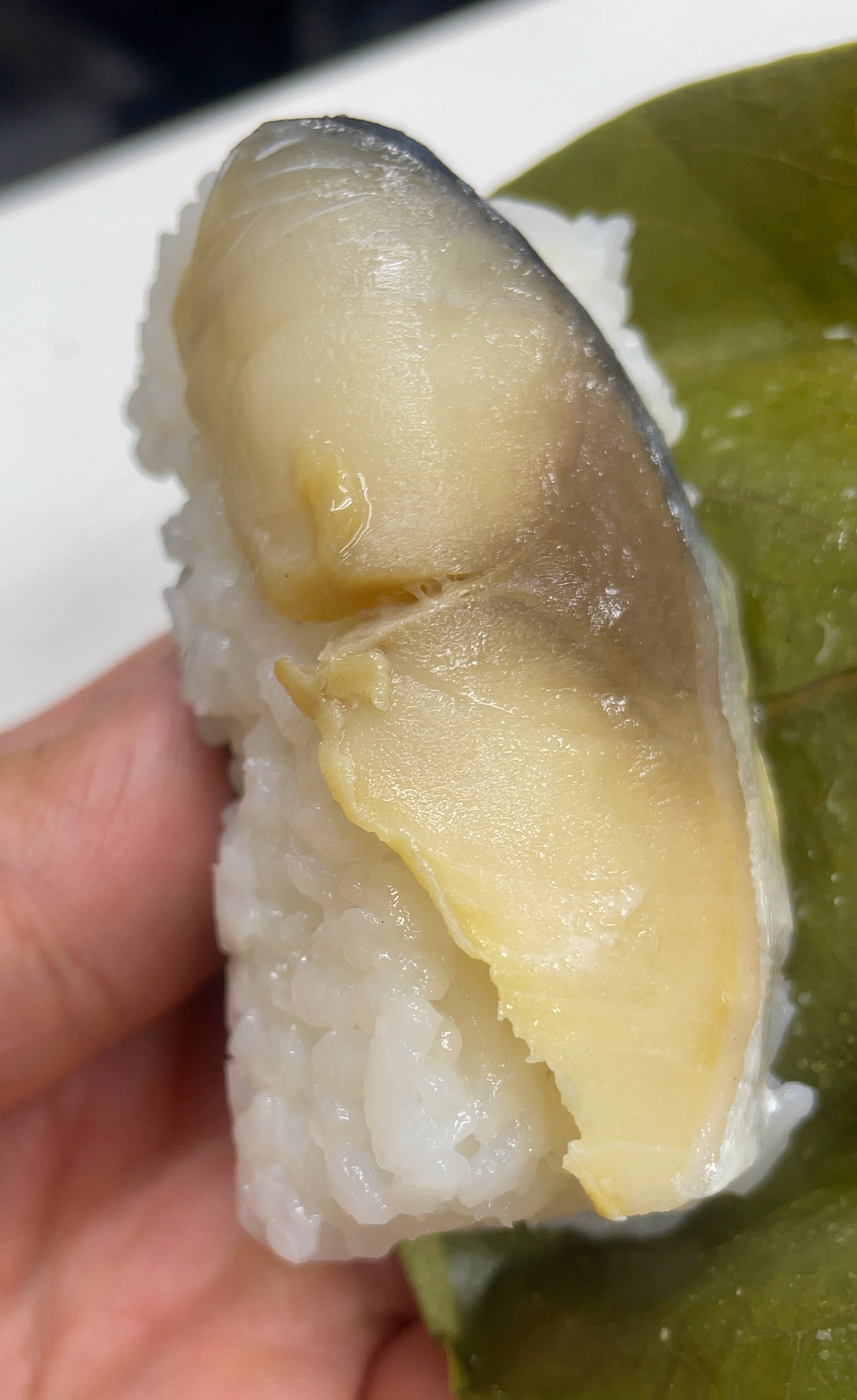
Kakinoha-zushi
Locally knownKakinoha-zushi (柿の葉寿司) is Nara's signature pressed sushi: vinegared rice topped with mackerel, salmon, or sea bream, wra…
 jetsun / CC BY-SA 3.0
Wakakusayama Hill
Locally knownWakakusayama (若草山, 'Young Grass Mountain') is a 342-meter grassy hill on Nara Park's eastern edge offering panoramic vie…
 掬茶 / CC BY-SA 4.0
Kutani-yaki Ceramics
Little knownKutani-yaki (九谷焼) is Ishikawa's signature ceramic style known for bold overglaze enamel decoration in five colors: green…
 z tanuki / CC BY 3.0
Nagoya Castle
Locally knownNagoya Castle (名古屋城) stands as one of Japan's most magnificent fortresses, crowned by iconic golden shachihoko (mythical…
 gundam2345 / CC BY 3.0
Gujo Hachiman
Little knownGujo Hachiman (郡上八幡) is a castle town built on spring water — over 100 natural springs flow through the streets in open…