
Kehi Jingu
Researched and written by Hinato

Photo: 663highland / Wikimedia Commons (CC BY 2.5) · original
The great torii at Kehi Jingu is 10.9 metres high, built of wood, and is counted with Kasuga Taisha in Nara and Itsukushima in Hiroshima as one of the three great wooden torii of Japan. It is a nationally designated Important Cultural Property and it stands at the end of an ordinary shopping street in Tsuruga, which is a slightly startling way to encounter it.
The shrine dates its foundation to 702 and was the first-ranked shrine of Echizen province. Tsuruga people call it Kei-san. The other thing to know is that Matsuo Basho came here in 1689 on the journey that became Oku no Hosomichi and wrote about the moonlight on the sand that a priest had spread in the grounds — the sand-carrying rite is still performed. The grounds are free and open, fifteen minutes from the station, and the torii is worth the walk on its own.
What sets Kehi apart from the other two members of the 'three great torii' is how unceremoniously it sits in the middle of ordinary life — Kasuga Taisha and Itsukushima are both destinations in their own right, approached with the expectation of a monument, while Kehi appears at the end of a street lined with shops the way a normal building would, so that the scale only registers once you're standing directly beneath it. The shrine's long history as Echizen province's ranking shrine meant it drew pilgrims and dignitaries for centuries before Tsuruga became better known as a port town, and the grounds beyond the torii keep that older, quieter character — mature trees, a pond, side shrines that see far fewer visitors than the gate itself. Tsuruga's role as a crossing point, first for pilgrims and later for railway and shipping traffic, is part of why a shrine of this rank ended up embedded in a commercial street rather than isolated on a hill.
Practical details
Opening Hours
Grounds open during daylight hours
Closed: Open year-round
Entrance Fee
Free
Best Season
Year-round
Visit Duration
30–45 minutes
Getting There
Access Information
Tsuruga. About a short walk from JR Tsuruga Station, or by the Gurutto Tsuruga loop bus. Free to enter, with no admission charge. The great torii, 10.9 m high, is a nationally designated Important Cultural Property.
Tips
Approach from the street. Coming at it from the shrine side loses that entirely.
It is free and always open. Unusual for a shrine of this rank, and it makes Kehi an easy stop between the station and the waterfront museums.
Combine with the waterfront. The Port of Humanity museum and the red brick warehouses are about ten minutes away by bus, so shrine and quay make a coherent half-day in Tsuruga.
Tsuruga is now on the Shinkansen. The Hokuriku Shinkansen extension reaches here, which has made a town that used to be a change of trains into a place worth stopping in.
Book Your Stay Nearby
Find accommodation close to Kehi Jingu on these trusted booking platforms:
Nearby Spots
The closest hidden gems to Kehi Jingu, by straight-line distance.
 663highland / CC BY 2.5
Sotomo Crags
Little knownThe Sotomo coast (蘇洞門) on the Uchikoshi Peninsula in northern Wakasa Bay is a 6-kilometer stretch of sheer granite and a…
 掬茶 / CC BY-SA 4.0
Kutani-yaki Ceramics
Little knownKutani-yaki (九谷焼) is Ishikawa's signature ceramic style known for bold overglaze enamel decoration in five colors: green…
 gundam2345 / CC BY 3.0
Gujo Hachiman
Little knownGujo Hachiman (郡上八幡) is a castle town built on spring water — over 100 natural springs flow through the streets in open…
 z tanuki / CC BY 3.0
Nagoya Castle
Locally knownNagoya Castle (名古屋城) stands as one of Japan's most magnificent fortresses, crowned by iconic golden shachihoko (mythical…
 jetsun / CC BY-SA 3.0
Wakakusayama Hill
Locally knownWakakusayama (若草山, 'Young Grass Mountain') is a 342-meter grassy hill on Nara Park's eastern edge offering panoramic vie…
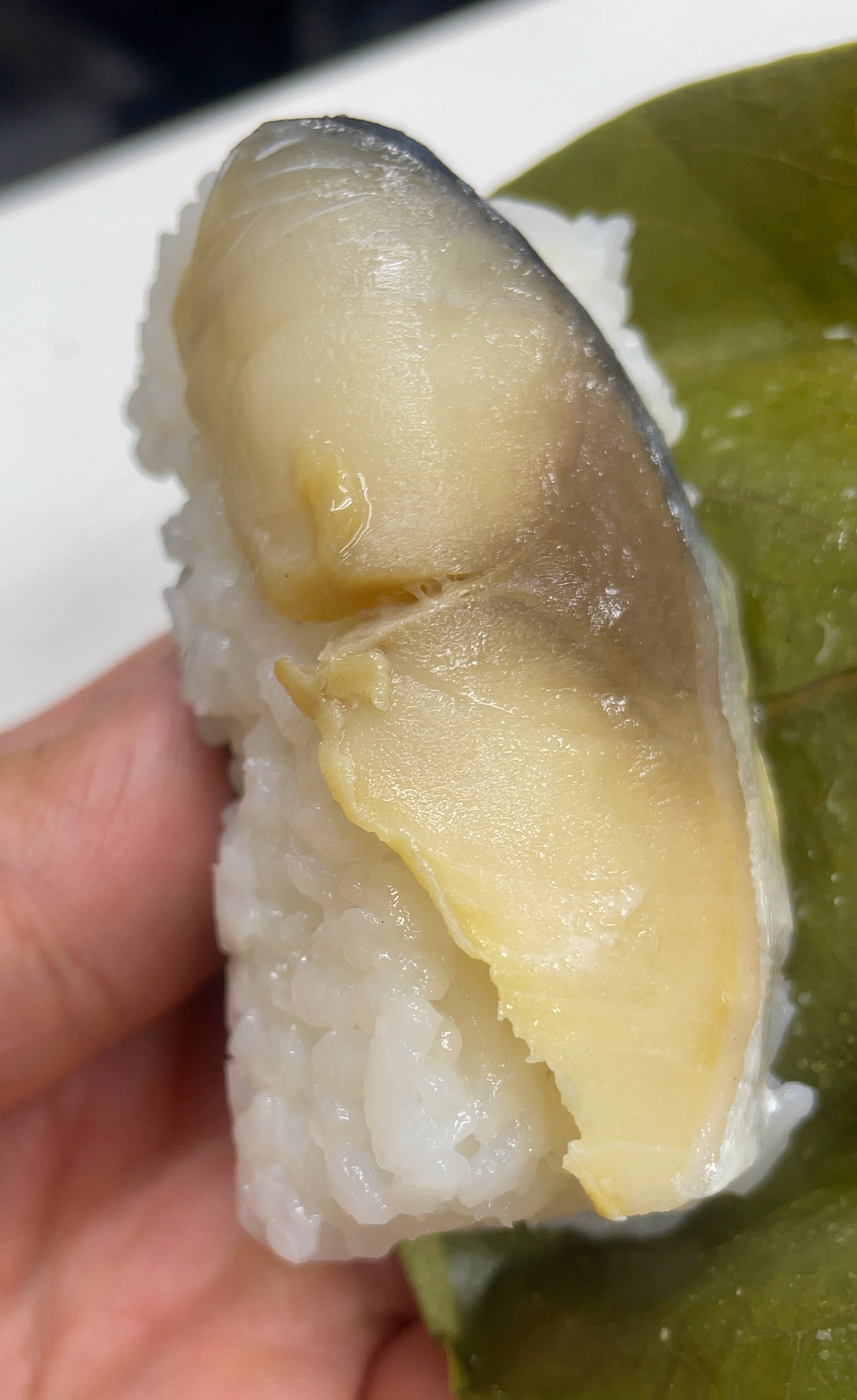 Kyu3a / CC BY-SA 4.0
Kakinoha-zushi
Locally knownKakinoha-zushi (柿の葉寿司) is Nara's signature pressed sushi: vinegared rice topped with mackerel, salmon, or sea bream, wra…