
本页尚未翻译,暂以英文显示。
Kibi Dango
调查与撰写 Hinato
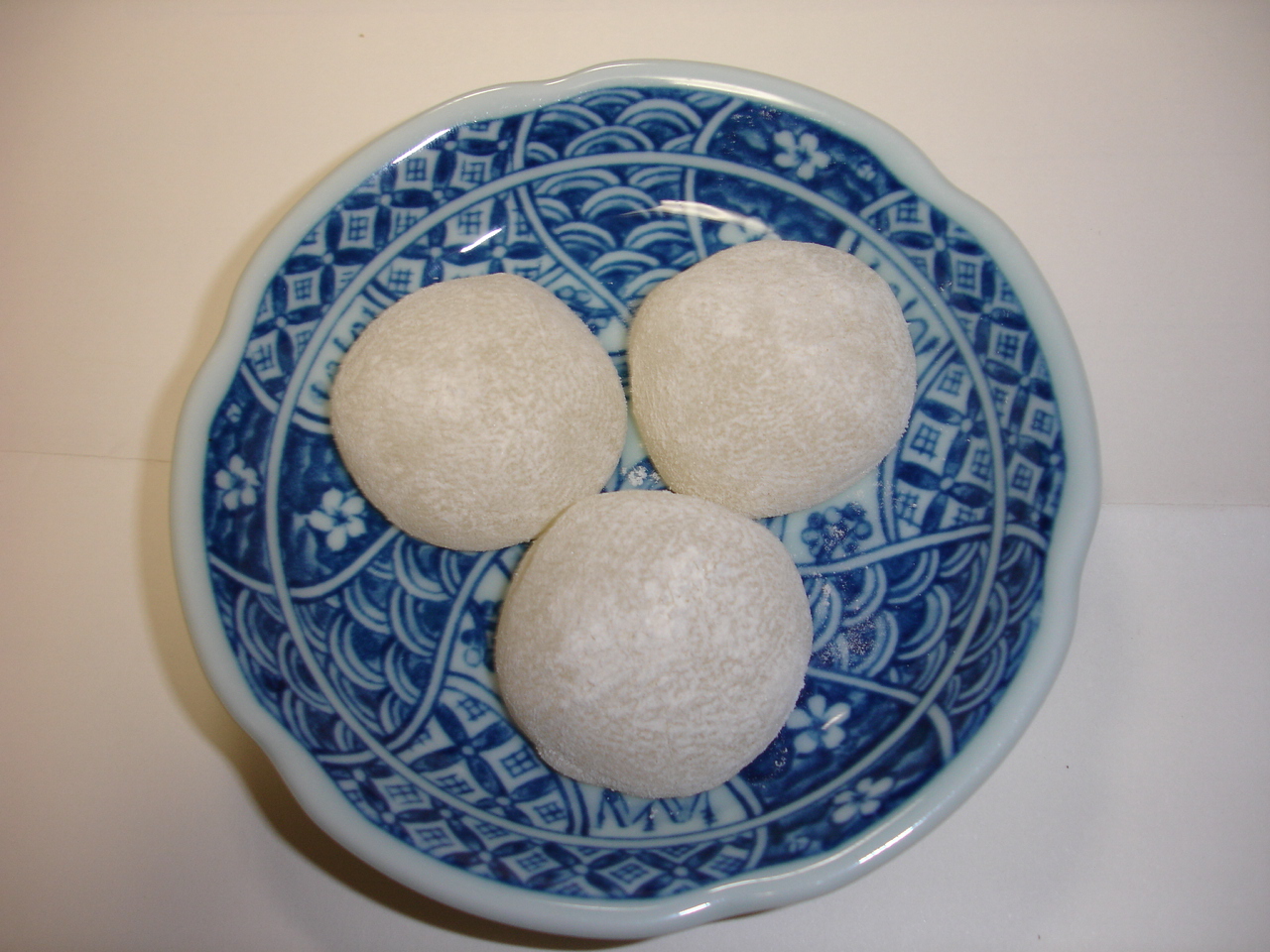
Photo: Unknown author / Wikimedia Commons (CC BY-SA 3.0) · original
Kibi dango (吉備団子) is Okayama's most iconic confection, a soft mochi-like sweet made from millet (kibi) flour, rice, sugar, and starch, with roots tracing to the Momotaro folk legend. According to the tale, Momotaro (Peach Boy) gave kibi dango to his animal companions (dog, monkey, pheasant) before battling demons, and the sweets provided them with strength and loyalty. This legend made kibi dango synonymous with Okayama, and today it's the prefecture's most famous omiyage (souvenir).
Traditional kibi dango has a delicate sweetness and soft, pillowy texture — less sticky than mochi, with a subtle grain flavor from millet. The sweets are typically individually wrapped and bite-sized (3–4cm diameter), making them ideal travel snacks. Modern variations include matcha (green tea), white peach (Okayama's other famous product), and kinako (roasted soybean powder) flavors. Kibi dango's cultural significance extends beyond taste — it symbolizes Okayama's identity, appearing on prefectural mascots, tourism materials, and even as a motif in local architecture and public art.
The Momotaro legend that gives the sweet its cultural weight is one of Japan's best-known folk tales, and Okayama has embraced the connection so thoroughly that the story functions almost as a civic identity — statues, street names, and seasonal festivals around the prefecture all draw on the same imagery of a peach-born hero setting out with his loyal companions. Local historians have long debated how much of the legend actually originated in the region versus being adopted and popularized after the fact, but the association has stuck regardless, and kibi dango is now inseparable from how Okayama presents itself to visitors.
The sweet's understated flavor is deliberate rather than a limitation — millet flour gives a gentler, more rustic taste than the glutinous rice used in standard mochi, and older recipes favored restraint over intense sweetness, reflecting the confection's origins as everyday fare rather than a luxury treat. That plainness is part of why it travels so well as a souvenir: individually wrapped pieces hold their texture for days without refrigeration, and the mild flavor pairs easily with green tea, making kibi dango as common a gift among Okayama residents themselves as among visitors passing through.
基本信息
营业时间
Tsurugata Main Store 10:00 AM – 6:30 PM. JR Okayama Station souvenir shops typically 7:00 AM – 9:00 PM.
公休: Available year-round at major outlets. Individual shop hours vary.
门票
¥600–1,200 per box (10–15 pieces). Workshop experience ¥1,500–2,000.
最佳季节
Year-round availability; seasonal flavors include white peach (spring–summer), chestnut (autumn), yuzu (winter)
建议停留
15–30 minutes for purchase; 60 minutes for optional kibi dango-making workshop
如何前往
交通信息
独家私藏情报
邻近景点
距离Kibi Dango最近的私藏景点,按直线距离排序。
 DVMG / CC BY 3.0
Momotaro Dori
Little knownMomotaro Dori (桃太郎大通り, Momotaro Boulevard) is Okayama City's main shopping and entertainment street, running 1 kilometer…
Demi-katsu Don
Little knownOkayama's katsudon comes under demi-glace. It should not work and it has been the city's dish for ninety years. The sau…
 663highland / CC BY-SA 4.0
Okayama Prefectural Museum of Art
Little knownThe Okayama Prefectural Museum of Art (岡山県立美術館, Okayama Kenritsu Bijutsukan) focuses on artists with connections to Okay…
 Yoshio Kohara / CC BY 3.0
Yumeji Art Museum
Little knownThe Yumeji Art Museum (夢二郷土美術館, Yumeji Kyōdo Bijutsukan) celebrates the life and work of Takehisa Yumeji (1884–1934), an…
 takeokahp / CC BY 3.0
Okayama Castle
Little knownOkayama Castle (岡山城, Okayama-jō), nicknamed 'Crow Castle' (烏城, U-jō) for its striking black exterior, stands as one of J…
Okayama Barazushi
Little knownOkayama Barazushi (岡山ばら寿司), also known as Matsuri-zushi (festival sushi), is the prefecture's signature sushi dish — a c…
更多冈山县的景点
 takeokahp / CC BY 3.0
Kurashiki Bikan Historical Quarter
FamousKurashiki Bikan Historical Quarter (倉敷美観地区, Kurashiki Bikan Chiku) is a beautifully preserved Edo-period merchant distri…
 Yoshio Kohara / CC BY 3.0
Ohara Museum of Art
Little knownThe Ohara Museum of Art (大原美術館, Ohara Bijutsukan) holds the distinction of being Japan's first museum dedicated to Weste…
 示意插图(非实景照片)
Kojima
Little knownKojima (児島), a district in southern Kurashiki, is revered worldwide as the birthplace of Japanese denim and the origin o…