
本页尚未翻译,暂以英文显示。
Narazuke Pickles
调查与撰写 Hinato

Photo: daniel julià lundgren from barcelona, catalonia / Wikimedia Commons (CC BY-SA 2.0) · original
Narazuke (奈良漬) are vegetables pickled in sake kasu (酒粕, sake lees — the fermented rice solids left after sake brewing), Nara's signature preserved food since the 8th century. Common vegetables include cucumber, daikon radish, and uri melon, pickled for 2–3 years in successive batches of sake lees that gradually deepen the color to dark amber-brown and develop intense umami, sweetness, and alcoholic tang. The pickles are served thinly sliced as a rice accompaniment or sake appetizer.
Narazuke are so alcoholic (5–8% ABV from absorbed sake lees) that eating too many can cause intoxication — drivers avoid them. The production is labor-intensive: vegetables are first pickled in salt for 1 year, then transferred to fresh sake lees every 6 months for 2–3 years. The sake lees penetrate the vegetables, creating a complex flavor profile — sweet, salty, funky, and boozy. The pickles keep for years due to alcohol content and are a popular gift item in wooden barrels.
基本信息
营业时间
Umeya (Naramachi): 10:00 AM – 6:00 PM
公休: Varies by shop; most open daily
门票
No entry fee | Narazuke sets: ¥800–3,000
最佳季节
Year-round (pickles available year-round; excellent as gifts due to long shelf life)
建议停留
15–30 minutes (shop visit and tasting)
如何前往
交通信息
独家私藏情报
邻近景点
距离Narazuke Pickles最近的私藏景点,按直线距离排序。
 Kyu3a / CC BY-SA 4.0
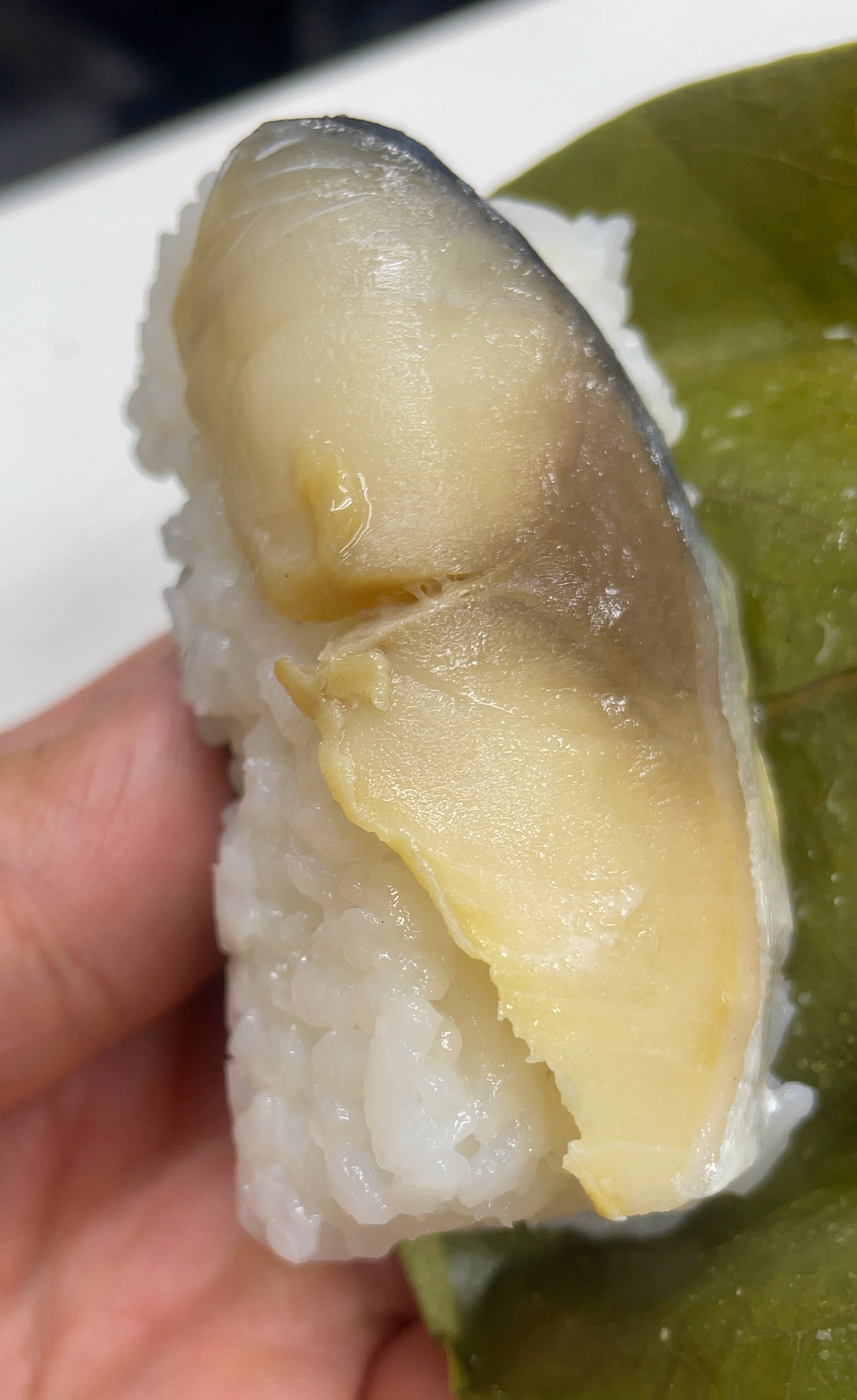
Kakinoha-zushi
Locally knownKakinoha-zushi (柿の葉寿司) is Nara's signature pressed sushi: vinegared rice topped with mackerel, salmon, or sea bream, wra…
Nara Sake
Locally knownNara is the birthplace of sake brewing's key innovations — monks at Shoryakuji Temple (菩提山正暦寺) invented the bodaimoto me…
 示意插图(非实景照片)
Nara Sumi Ink & Fude Brushes
Locally knownNara produces 90% of Japan's traditional sumi ink (墨, solid ink sticks) and is a major center for fude (筆, calligraphy b…
 示意插图(非实景照片)
Day Trip to Nara
Locally knownNara, Japan's capital from 710–794 CE, is from Osaka by train and offers one of Japan's best day trips. The city's main…
 Roman SUZUKI / CC BY 3.0
Heijo Palace Site
Well knownHeijo Palace (平城宮跡, Heijo-kyo) was the imperial palace during Nara's time as Japan's capital (710–784 AD), occupying 120…
 663highland / CC BY 2.5
Toshodaiji Temple
Well knownWhen the Chinese monk Jianzhen finally reached Japan in 754 AD after five shipwrecks, pirate attacks, and twelve years a…
更多奈良县的景点
 くろふね / CC BY 3.0
Nara National Museum
Locally knownNara National Museum (奈良国立博物館) is Japan's premier museum for Buddhist art, housing over 2,000 Buddhist sculptures, paint…
Asuka-dera Temple
Little knownAsuka-dera (飛鳥寺) was Japan's first full-scale Buddhist temple, founded in 596 AD when Buddhism was still new to the arch…
 示意插图(非实景照片)
Nara Hotel
Locally knownThe Nara Hotel opened in 1909 when the Meiji government decided Japan needed Western-style luxury hotels to host foreign…