
本页尚未翻译,暂以英文显示。
Otaru Sushi Street
调查与撰写 Hinato
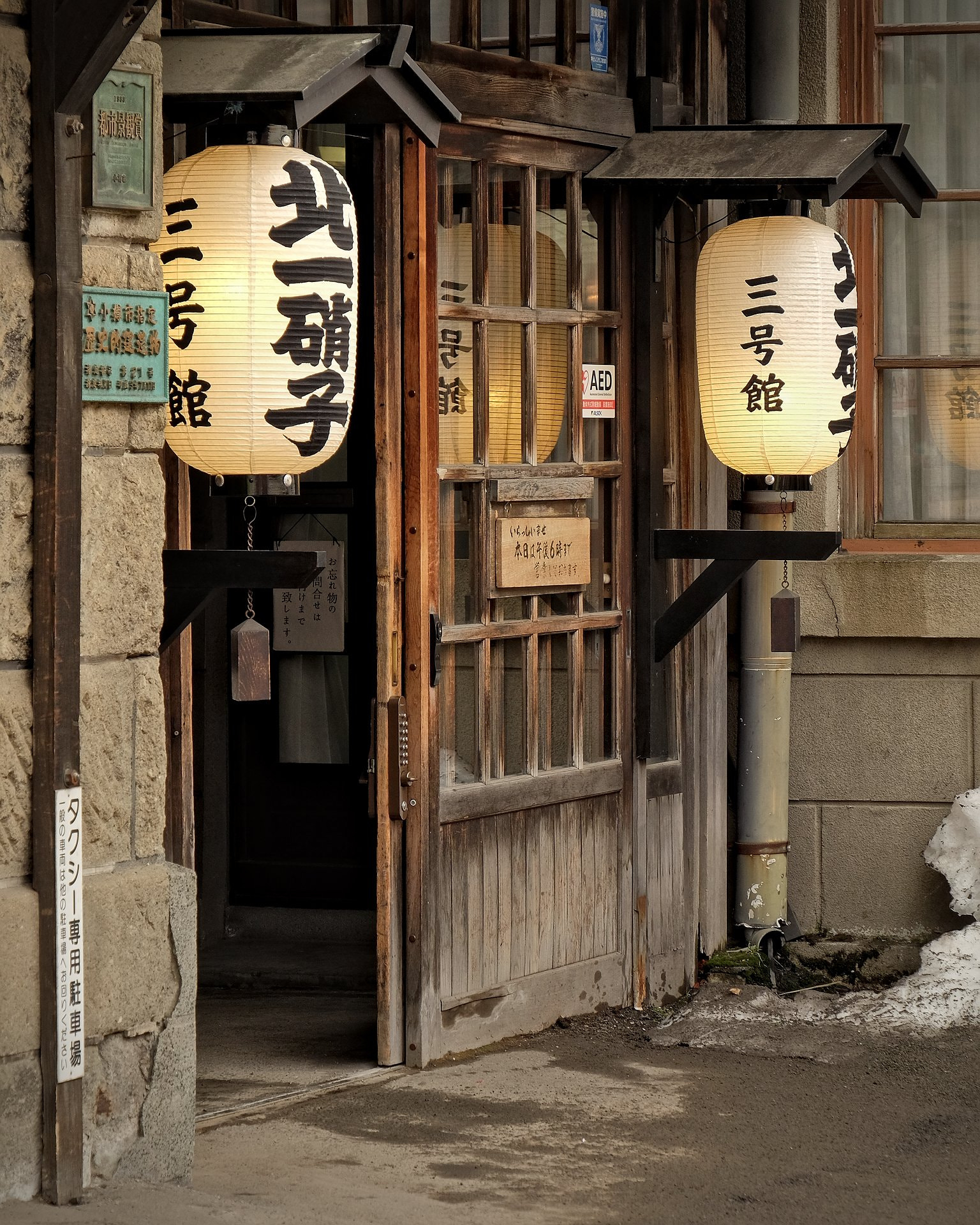
Photo: Julien Seguinot / Wikimedia Commons (CC BY-SA 3.0) · original
Walk out of Otaru Station and you'll find yourself surrounded by sushi shops—twenty-something of them packed into two blocks. Back when Otaru was Hokkaido's busiest port (1920s-1950s), fishing boats landed their catch right at the docks, and sushi shops opened to feed dock workers and herring fishermen. The tradition stuck even as Otaru's port declined.
What sets Otaru's sushi apart is the water temperature. Ishikari Bay and the Sea of Japan here run cold year-round, which gives the seafood a different flavor profile than what you get in warmer Pacific waters. The sweet shrimp (amaebi) has more snap, the uni tastes cleaner, and the scallops come out sweeter. You can taste it in the first bite. Book a month ahead if you want dinner there—¥12,000-15,000 gets you omakase with whatever came in that morning. If Sushi Zen is full, Otaru Masazushi serves quality sets from ¥3,500 without the wait.
基本信息
营业时间
Most Sushi Street shops: 11:30 AM – 2:00 PM and 5:00 PM – 10:00 PM
公休: Varies by shop — Sushi Zen: closed Tuesdays | Otaru Masazushi: open daily | Some smaller shops close one day per week (check individual shops)
门票
No cover charge | Omakase: ¥8,000–15,000/person | Mid-range sets: ¥3,500–6,000 | Nigiri sets: ¥2,500–4,000
最佳季节
June 15–July 31 for peak uni (sea urchin) | April–May for botan shrimp | September–October for fresh ikura (salmon roe) | December–February for shirako (cod milt)
建议停留
1–2 hours (standard sushi meal) | Allow 45–60 min for omakase counter experience
如何前往
交通信息
详细交通与时段
最近车站
Otaru Station (JR Hakodate Main Line) — 5 min walk to Sushi Street
交通时间
From Sapporo Station: ~30 min by JR Rapid Airport train to Otaru Station (¥750) | From New Chitose Airport: ~60 min (Rapid Airport train via Sapporo) | From Tokyo: fly to New Chitose (~1.5 hrs) + JR to Otaru
前往方式
Train: JR Hakodate Main Line from Sapporo Station to Otaru Station (~30 min, ¥750). Sushi Street (Inaho 1-chome) is a 5-minute walk south of the station. Car: From Sapporo approximately 40 min via National Route 5 or Sapporo–Otaru Road (toll ¥530). Parking in Otaru central area: ¥300–500/hour in paid lots near the station. Bus: Highway buses from Sapporo Station to Otaru (~50 min, ¥620) — slightly slower but cheaper than JR.
最佳游览时段
Lunch opens at 11:30 AM — arrive at 11:15 AM on weekdays for the best counter seats and freshest morning-auction fish. The Sushi Zen reservation window opens exactly 30 days ahead at 9:00 AM — mark your calendar.
避开人潮的诀窍
Sushi Street is busiest with tour groups 12:00–1:30 PM daily. Arriving at opening (11:30 AM) avoids the lunch peak. Weekdays see 40% fewer visitors than weekends. Summer (July–August) and Golden Week (late April–early May) are peak tourist periods — book premium restaurants well ahead.
停车信息
Paid parking near Otaru Station (¥300–500/hour). The Sushi Street area has limited on-street parking — use station-area lots and walk 5 minutes. Alternatively, park near the Otaru Canal (15-min walk to Sushi Street) for a combined visit.
独家私藏情报
邻近景点
距离Otaru Sushi Street最近的私藏景点,按直线距离排序。
 690 Noda / CC BY 3.0
Otaru Canal
FamousThe Otaru Canal (小樽運河) is a 1.3-kilometer waterway lined with preserved Meiji-era stone warehouses, now converted to res…
 Wpcpey / CC BY 4.0
Otaru Music Box Museum
Locally knownThe Otaru Music Box Museum (小樽オルゴール堂) occupies a red-brick warehouse from 1912, housing Japan's largest collection of mu…
 掬茶 / CC BY-SA 4.0
Shiroi Koibito Park
Locally knownShiroi Koibito (白い恋人, 'White Lovers') is Hokkaido's most famous souvenir — delicate langue de chat butter cookies sandwi…
 くろふね / CC BY 3.0
Sapporo Clock Tower
Locally knownThe Sapporo Clock Tower (札幌市時計台, Tokeidai) is a white wooden building from 1878, originally built as a drill hall for Sa…
 t-konno / CC BY-SA 3.0
Odori Park
Locally knownOdori Park (大通公園) is a 1.5-kilometer-long boulevard running east-west through central Sapporo, dividing the city into no…
Sapporo Snow Festival
FamousEvery February, Sapporo clears out its snow dumps and trucks 5,000 tons of it to Odori Park, where teams spend four week…
更多北海道的景点
 Benford Choi / CC BY-SA 3.0
Sapporo Beer Museum
Locally knownThe Sapporo Beer Museum (サッポロビール博物館) occupies a red-brick factory from 1890, when Hokkaido's cold climate and barley cul…
 Otkoyg / CC BY-SA 4.0
Soup Curry
Locally knownSoup curry (スープカレー) is Sapporo's modern culinary invention — a thin, broth-based curry stew served with large chunks of…
 洞内定晴 / CC BY 4.0
Mt. Hakodate Night View
Locally knownMt. Hakodate (函館山, 334m) offers what Japanese tourism authorities rank among the world's top three night views (alongsid…