
本页尚未翻译,暂以英文显示。
SL Moka
调查与撰写 Hinato
栃木县 · Moka
36.4399°N, 140.0027°E
The Moka Railway is a 42-kilometre single-track line running east from Shimodate through rice country to Motegi, and at weekends it puts a steam locomotive on it. SL Moka is not a preserved line running in a circle for tourists — it is an ordinary local railway, used by schoolchildren on weekdays, that happens to run a C12 tank engine and a rake of old carriages on Saturdays and Sundays.
That makes it a different proposition from the more famous steam operations. The train stops at small country stations, the windows open, and the scenery is unglamorous flat farmland that turns bright green in June and gold in September. Moka Station itself is built in the shape of a steam locomotive and houses a preserved engine hall. Tickets need booking online from a month ahead, though a limited number go on sale on the day at staffed stations, and it costs a fraction of what the headline steam trains charge.
The C12-type tank engine that pulls the weekend service belongs to a class originally built for exactly this kind of light branch-line work — short, lightweight locomotives designed to handle modest local traffic on lines that couldn't support the larger engines used on trunk routes. That history is part of why the train feels so unforced compared to steam operations built purely as tourist attractions: the locomotive, the carriages, and the route itself were never reimagined for visitors, only kept running alongside the diesel railcars that handle the rest of the week's timetable. Volunteers and railway staff maintain the engine between runs, and on operating weekends it is common to see enthusiasts gathered at the smaller stations along the line simply to watch it pass, cameras ready, with no ticket needed for that part of the experience.
The farmland the line crosses is unremarkable in the way that makes it valuable rather than disappointing — wide, flat rice paddies stretching to low hills, dotted with the kind of small roadside shrines and farmhouses that rarely make it into guidebooks precisely because nothing about them is dramatic. Riding the full length of the line end to end gives a more honest sense of ordinary rural Tochigi than almost anywhere else easily reached from Tokyo, and the steam whistle echoing across open paddy fields, rather than through a city or a preserved heritage park, is part of what longtime riders say sets this line apart from more polished steam experiences elsewhere in Japan.
基本信息
营业时间
SL Moka operates mainly at weekends | Check the published operating calendar
公休: No service on most weekdays | Operating days vary by season
门票
SL reserved ticket plus the ordinary fare for the distance travelled — confirm current prices with Moka Railway
最佳季节
June for green rice fields | September–October for the harvest | April for blossom along the line
建议停留
Half a day for a one-way ride with a stop | Full day with Mashiko
如何前往
交通信息
独家私藏情报
邻近景点
距离SL Moka最近的私藏景点,按直线距离排序。
 FukuroWaraw / CC BY-SA 4.0
Mashiko Pottery Town
Little knownMashiko is a pottery town 100 kilometers north of Tokyo that became the spiritual center of Japan's mingei (folk craft)…
 示意插图(非实景照片)
Utsunomiya Gyoza
Little knownUtsunomiya is Japan's self-proclaimed gyoza capital, with over 200 gyoza specialty restaurants and the highest per-capit…
 Tak1701d / CC BY-SA 3.0
Amabiki Kannon
Little knownAmabikisan Rakuhoji is a hillside temple founded, by its own account, in 587, and for centuries it has been the place pe…
 小石川人晃 / CC BY-SA 4.0
Hitachi Izumo Taisha
Little knownIn 1992 the great shrine of Izumo in Shimane divided its deity and enshrined it here, on a hillside beside Route 50 in K…
 Hiroshi Nakai / CC BY 2.0
Oya History Museum
Little knownThe Oya History Museum is built into a former underground stone quarry where Oya Stone — a light, porous volcanic tuff u…
Makabe Historic District
Locally knownMakabe began as the castle town of the medieval Makabe clan and grew into a market town under the Tokugawa, and the stre…
更多栃木县的景点
 taro gen / CC BY 3.0
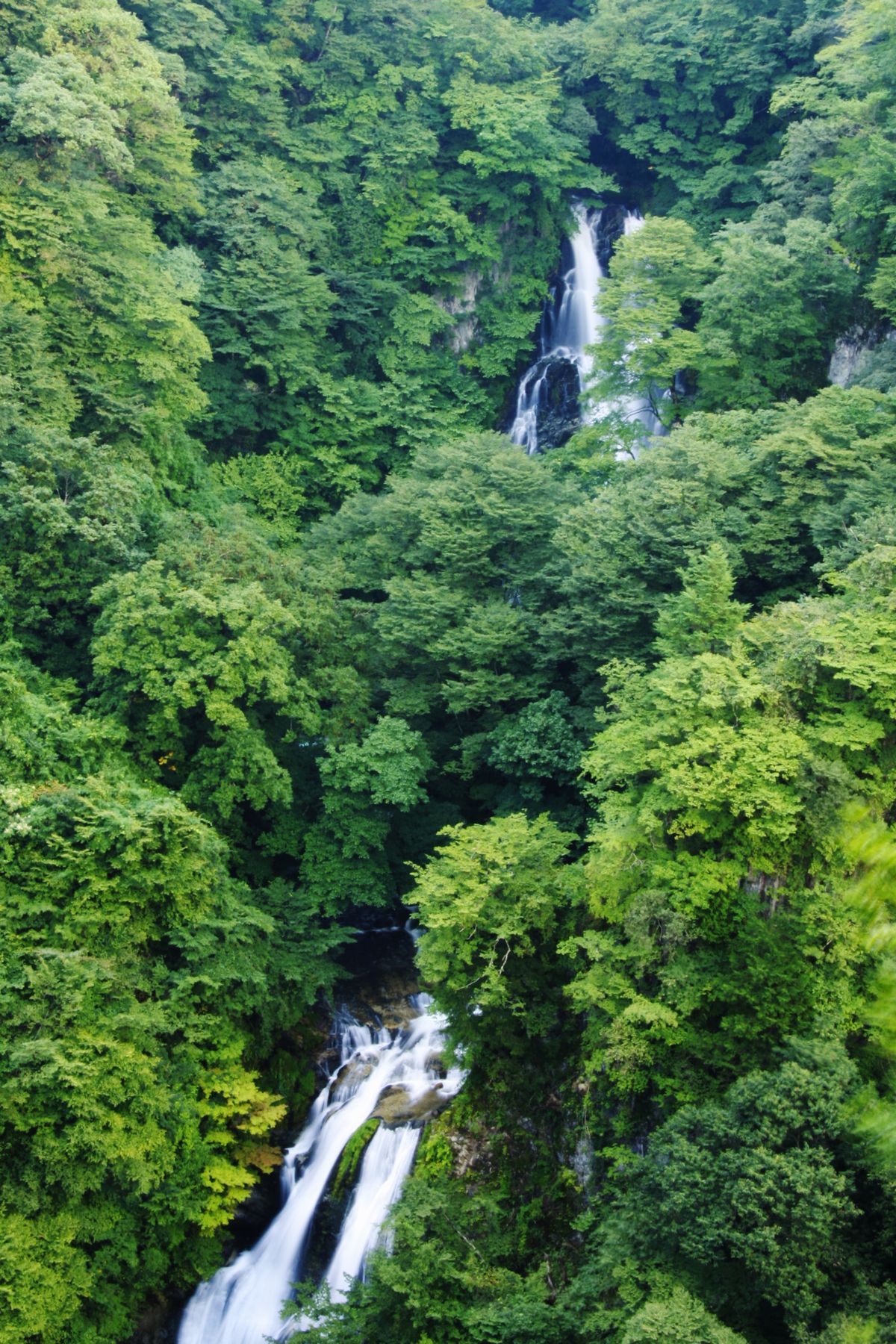
Kirifuri Falls
Locally knownKirifuri means falling mist, and the name is descriptive: the water drops in two stages, 25 metres and then 26, breaking…
Nasu Kokuzohi
Locally knownIn the year 700, the sons of Nasu no Atai Idé raised an inscribed stone to their late father, who had governed the provi…
Ebiya Chozo
Locally knownNikko and Kyoto both make the skin that forms on heated soy milk, and they write it differently on purpose. Kyoto writes…