
本页尚未翻译,暂以英文显示。
Urayasu Edo-Style Bathhouse
调查与撰写 Hinato
千叶县 · Urayasu
35.6549°N, 139.9016°E
Before Urayasu became synonymous with Disney, it was a fishing village on the edge of Edo (Tokyo) Bay, and the town's bathhouse culture — rooted in the Edo period — persists in several traditional sento (public baths). Fuji, hinoki cedar tubs, and a traditional kamado (wood-fired boiler) that still heats the water.
The bathhouse experience is ritualistic: pay at the entrance (¥500), remove shoes, separate by gender into changing rooms, wash at low faucets before entering the communal tub, then soak in near-scalding water while locals discuss the day. It is social, egalitarian, and a window into pre-war Japanese daily life that has largely vanished from modern cities.
基本信息
营业时间
3:00 PM – 11:00 PM
公休: Mondays
门票
¥500 | Small towel rental: ¥200
最佳季节
Year-round | Winter evenings for the warmth contrast | Evening (6:00-8:00 PM) for local family atmosphere
建议停留
45-60 minutes
如何前往
交通信息
独家私藏情报
邻近景点
距离Urayasu Edo-Style Bathhouse最近的私藏景点,按直线距离排序。
 Dick Thomas Johnson from Tokyo, Japan / CC BY 2.0
Tokyo Disneyland
FamousTokyo Disneyland, opened in 1983, was the first Disney park built outside the United States and remains one of the most…
 Louiemantia / CC BY-SA 4.0
Tokyo DisneySea
FamousTokyo DisneySea is the only Disney park built specifically for adults and families, without a Cinderella Castle or Main…
 示意插图(非实景照片)
Tokyo Skytree
FamousTokyo Skytree punches through the skyline at 634 meters (2,080 feet) — the tallest tower on the planet, though locals wi…
 Nesnad / CC BY 3.0
Tokyo Yakatabune
Well knownYakatabune (屋形船) are low-slung wooden boats with tatami floors and sliding paper windows that have been hauling partying…
 Pexels
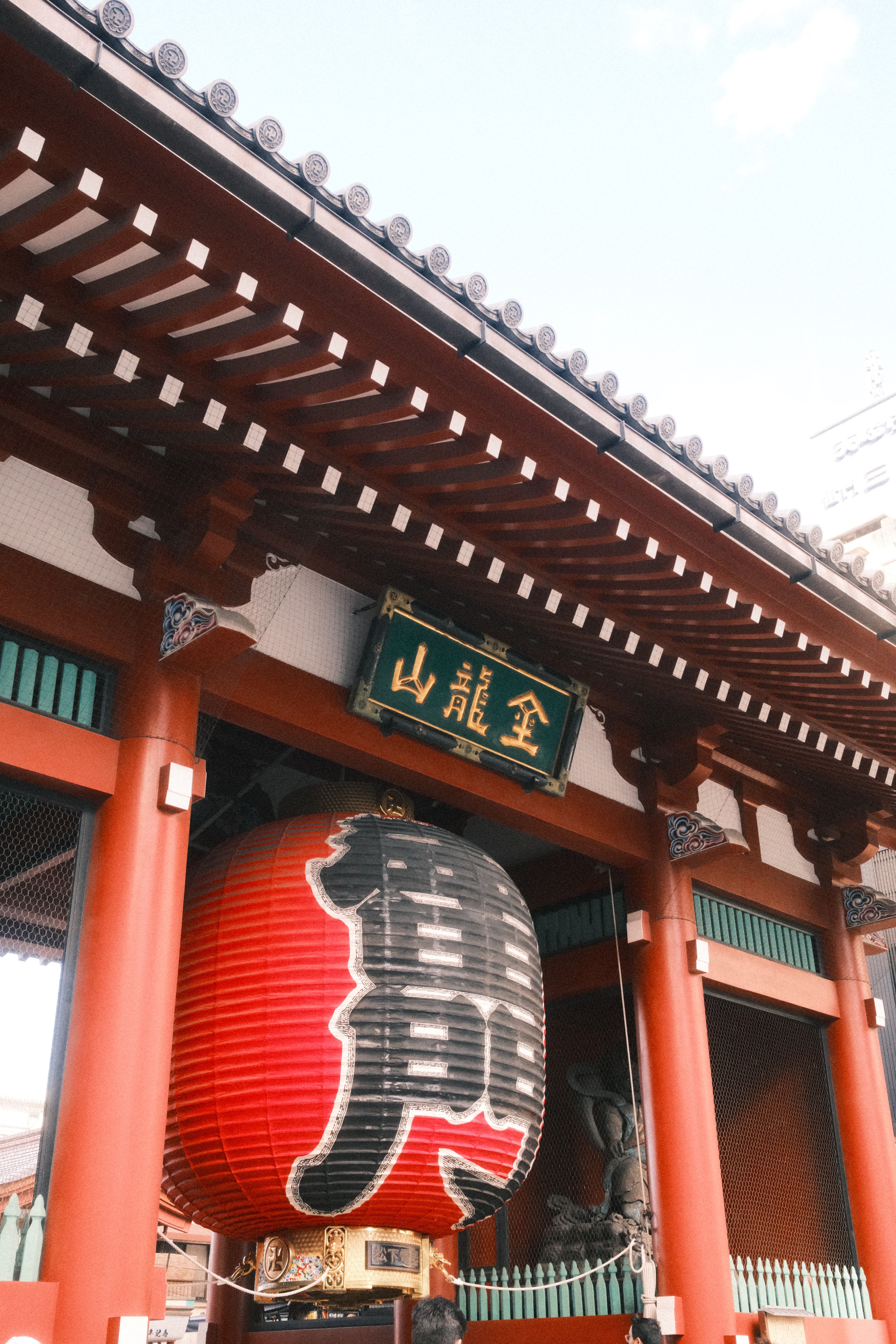
Senso-ji Temple
FamousSenso-ji (浅草寺) is Tokyo's oldest and most significant Buddhist temple, founded in 645 AD after two fishermen discovered…
 Christophe95 / CC BY-SA 4.0
Tsukiji Outer Market
FamousTsukiji Outer Market (築地場外市場, Tsukiji Jogai Shijo) is a 300-meter network of alleys and shops selling fresh seafood, pro…
更多千叶县的景点
Niemon Daiko
Little knownNiemon Daiko, hidden in the mountains of Kamogawa, is a taiko drum workshop and performance space founded by taiko maste…
 示意插图(非实景照片)
Narita Dream Farm
Little knownNarita Dream Farm is a 30-hectare agricultural park offering year-round fruit and vegetable picking — strawberries in wi…
 Tetsuji Sakakibara / CC BY-SA 2.0
Kameiwa Cave
Little knownA small waterfall drops through a hole cut in rock in a wooded valley in Kimitsu, and for a couple of weeks twice a year…