
本页尚未翻译,暂以英文显示。
Wakayama Castle
调查与撰写 Hinato

Photo: Yoshio Kohara / Wikimedia Commons (CC BY 3.0) · original
Wakayama Castle (和歌山城) is a hilltop fortress built in 1585 by Toyotomi Hideyoshi's brother, later ruled by the powerful Tokugawa Kishu clan (one of three main Tokugawa branches eligible to produce shoguns). The castle's nickname 'Tora-gajō' (虎が城, Tiger Castle) reflects the Kishu clan's tiger crest. The current main keep (tenshu) is a 1958 concrete reconstruction after WWII bombing, but the stone ramparts, gates, and moats are original, and the castle grounds preserve Edo-period defensive architecture.
The castle interior houses a museum displaying samurai armor, swords, and historical documents of the Kishu domain. The top floor observation deck offers panoramic views over Wakayama City and the Kii Channel. The castle grounds include Nishinomaru Garden (西之丸庭園) — a traditional Japanese landscape garden with tea house, seasonal flowers, and koi ponds. A unique feature is the Ohashi Roka (御橋廊下) — a wooden corridor bridge with a sloped roof connecting two castle precincts, designed for protected samurai passage. The Ninja House (Wakayama Rekihaku Museum) near the castle recreates Edo-period townscape with trick rooms, hidden passages, and interactive ninja demonstrations, appealing especially to families. The castle is illuminated after dark, creating dramatic nightscapes against Wakayama's modern skyline.
The castle's hilltop position was chosen deliberately for its commanding view over the mouth of the Kii River and the routes leading toward Osaka, making it a strategically vital stronghold for the Tokugawa Kishu domain, one of the wealthiest and most politically significant of the Edo-period regional governments. Wakayama Castle's grounds today retain much of that original defensive logic even though the keep itself was rebuilt after wartime destruction — visitors climbing toward the summit pass through a sequence of gates, turns, and elevated stone walls designed centuries ago to slow an advancing enemy and expose them to defenders above. The surrounding park has become one of central Wakayama City's most popular green spaces for residents, not just tourists, and locals often use the castle grounds for morning walks, jogging, and seasonal photography well outside peak visitor hours. Because the domain produced several Tokugawa shoguns historically, the castle carries a level of political significance disproportionate to its relatively modest size compared to castles like Osaka or Himeji, and the museum exhibits inside make an effort to explain this broader dynastic context alongside the more visually striking armor and weaponry on display.
基本信息
营业时间
9:00 AM – 5:30 PM (last entry 5:00 PM); evening illumination after dark year-round
公休: Open daily; check for occasional maintenance closures
门票
¥410 (castle keep + Nishinomaru Garden combo) | Ninja House (Wakayama Rekihaku Museum): ¥600 adults
最佳季节
Late March to early April for cherry blossoms (over 600 trees); year-round for evening castle illumination
建议停留
60–90 minutes for castle and garden; add 30–45 minutes for the Ninja House
如何前往
交通信息
独家私藏情报
邻近景点
距离Wakayama Castle最近的私藏景点,按直线距离排序。
 示意插图(非实景照片)
Wakayama Ramen
Little knownWakayama ramen (和歌山ラーメン, also called chuka soba in local dialect) is a distinct regional ramen style featuring rich tonk…
 663highland / CC BY 2.5
Kimii-dera Temple
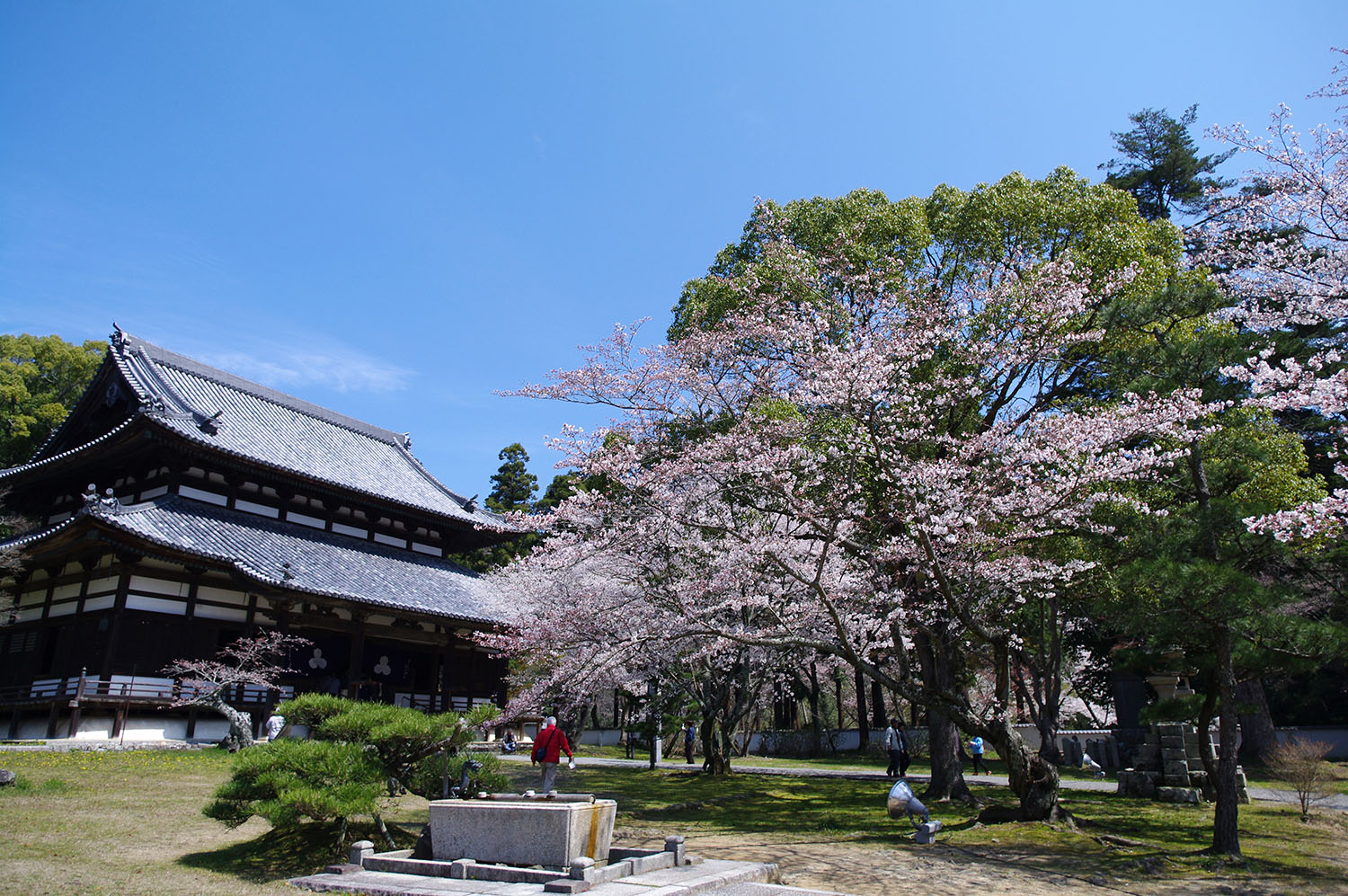
Little knownKimii-dera (紀三井寺, 'Temple of Three Wells of Kii Province') is a hilltop temple complex founded in 770 AD, famous for its…
 示意插图(非实景照片)
Wakayama Mikan & Umeboshi
Little knownWakayama Prefecture is Japan's largest producer of mikan oranges (温州みかん, unshu mikan) and umeboshi pickled plums (梅干し),…
Tomogashima
Little knownTomogashima is a group of uninhabited islands in the strait between Wakayama and Awaji, and from the 1890s the army fort…
 Kumamushi / CC BY-SA 3.0
Negoroji (Iwade)
Locally knownNegoroji was, at its height in the sixteenth century, a monastic complex of some two thousand buildings with an armed fo…
 Raita Futo from Tokyo, Japan / CC BY 2.0
Oishi Kogen
Little knownOishi Kogen is a plateau at about 870 metres straddling Kimino and Aridagawa, and what grows on it is susuki — Japanese…
更多和歌山县的景点
 Nekosuki / CC BY-SA 4.0
Kumano Hayatama Taisha
Well knownThe third of the Kumano grand shrines, at the mouth of the Kumano river in Shingu, and the most compact — vermilion hall…
 さかおり / CC BY-SA 4.0
Dorokyo Gorge
Little knownDorokyo is a gorge on the Kitayama river where it forms the boundary between Wakayama, Nara and Mie — thirty-odd kilomet…
Shirasaki Marine Park
Little knownA headland of white limestone laid down more than two hundred and fifty million years ago, dropping straight into deep b…