
Cette page n'a pas encore été traduite et s'affiche en anglais.
Okinawa City Koza
Recherche et rédaction Hinato

Koza exists because 30,000 American airmen need somewhere to spend Friday nights, and it's been serving that function since 1945 when the occupation forces bulldozed three farming villages to build Kadena Air Base. The district's main drag—officially called Chuo Park Avenue but everyone calls it Gate 2 Street—runs perpendicular to the base's pedestrian gate, which disgorges service members every evening around 18:30 when the duty day ends. By 21:00, the street is half Japanese locals, half American military in civilian clothes, and the bars switch their background music from Okinawan pop to whatever was on Billboard's top 40 three months ago.
The music scene developed organically in the 1970s when Okinawan musicians started learning rock and blues from vinyl records sold at base PX stores, then jamming with off-duty airmen who'd brought instruments from the States. That cross-pollination produced a distinctive sound—Okinawan scales and rhythms played on electric guitars with American song structures—that you still hear in venues like Mito, where 68-year-old Chatan Kenichi plays sanshin (three-string lute) through a Marshall amp while his son plays Louisiana-style slide guitar behind him. The district doesn't feel like Japan and doesn't feel like America; it's a third thing that exists because the other two collided here 80 years ago.
The district's relationship with the base has never been simple gratitude or simple resentment — Koza has also been the site of real friction over the decades, most notably a 1970 riot sparked by anger over a traffic accident involving a serviceman that tapped into much deeper frustrations with the postwar occupation and the bases' outsized footprint on Okinawan land, and that history sits just beneath the surface of a district now marketed partly on its cross-cultural nightlife. Okinawa's prefecture-wide relationship with the American military presence remains genuinely contested in local politics, with a large share of Japan's US base infrastructure concentrated on an island that makes up a small fraction of the country's land area, and Koza's musicians and bar owners have generally learned to hold both realities at once — building a livelihood and a genuinely original musical culture out of the base's proximity while the underlying politics of that proximity stay unresolved. What keeps the neighborhood distinct from either a purely Japanese entertainment district or an Americanized strip is that the fusion runs both directions: Okinawan sanshin techniques shaped how local guitarists play American blues, not just the reverse.
Informations essentielles
Horaires d'ouverture
Bars/live music: 8:00 PM – 2:00 AM | Weekend jam sessions from 3:00 PM
Fermé: No regular closures | Some venues closed Monday-Tuesday
Tarif d'entrée
Live music cover: ¥1,000-2,000 + drinks | Walking the district: free
Meilleure saison
Year-round | Friday-Saturday nights for peak atmosphere | Summer festivals add street energy
Durée de visite
3-5 hours (evening/night)
Comment s'y rendre
Informations d'accès
Accès détaillé et horaires
Gare la plus proche
No direct train. Okinawa City Bus Center — 10 min walk to Gate 2 Street | From Naha: 40 min by car
Temps de trajet
From Naha Airport: 40 min by car/taxi (¥4,000-5,000) | From Naha Bus Terminal: 50 min by bus (Route 20/27)
Comment y aller
Car/Taxi: 40 min from Naha (most practical for late-night return). Taxi ¥4,000-5,000 one-way. Bus: From Naha Bus Terminal, Route 20 or 27 to Okinawa City (~50 min, ¥680). Note: limited buses after midnight — plan taxi return. From Kadena Air Base gate: 5 min walk to Gate 2 Street main drag.
Meilleur moment pour visiter
Friday-Saturday after 9:00 PM for peak atmosphere. Sunday afternoon jam sessions (3:00-7:00 PM) at Live House Ageha are great for casual, low-key experience.
Conseils pour éviter la foule
Most energetic 9:00 PM-midnight on weekends. Weeknights are quieter with more local clientele. Special touring acts book out months ahead — check individual venue social media.
Informations de stationnement
Paid parking lots throughout Koza district (¥500/evening). Taxi from Naha recommended — late-night buses are infrequent.
Guide d'initié
Réserver un hébergement à proximité
Trouvez un hébergement près de Okinawa City Koza sur ces plateformes de confiance :
Lieux à proximité
Les lieux secrets les plus proches de Okinawa City Koza, par distance à vol d'oiseau.
 x768 / CC BY-SA 2.0
Nakamura House
Locally knownAlmost every traditional building in Okinawa was destroyed in 1945. The Nakamura house, a wealthy farming family's compo…
 Illustration — il ne s'agit pas d'une photographie
Nakagusuku Castle Ruins
Well knownNakagusuku is the best-preserved gusuku in Okinawa and the one that shows what the masonry could do. It was built up thr…
 kanegen / CC BY 2.0
Katsuren Castle Ruins
Well knownKatsuren stands on a limestone ridge on the Katsuren peninsula and was the seat of Amawari, a lord who rose from nothing…
Yachimun no Sato
Little knownOkinawan pottery is called yachimun and it was concentrated in Tsuboya in Naha until the 1970s, when smoke regulations i…
 Renate Hano / CC BY-SA 4.0
Zakimi Castle Ruins
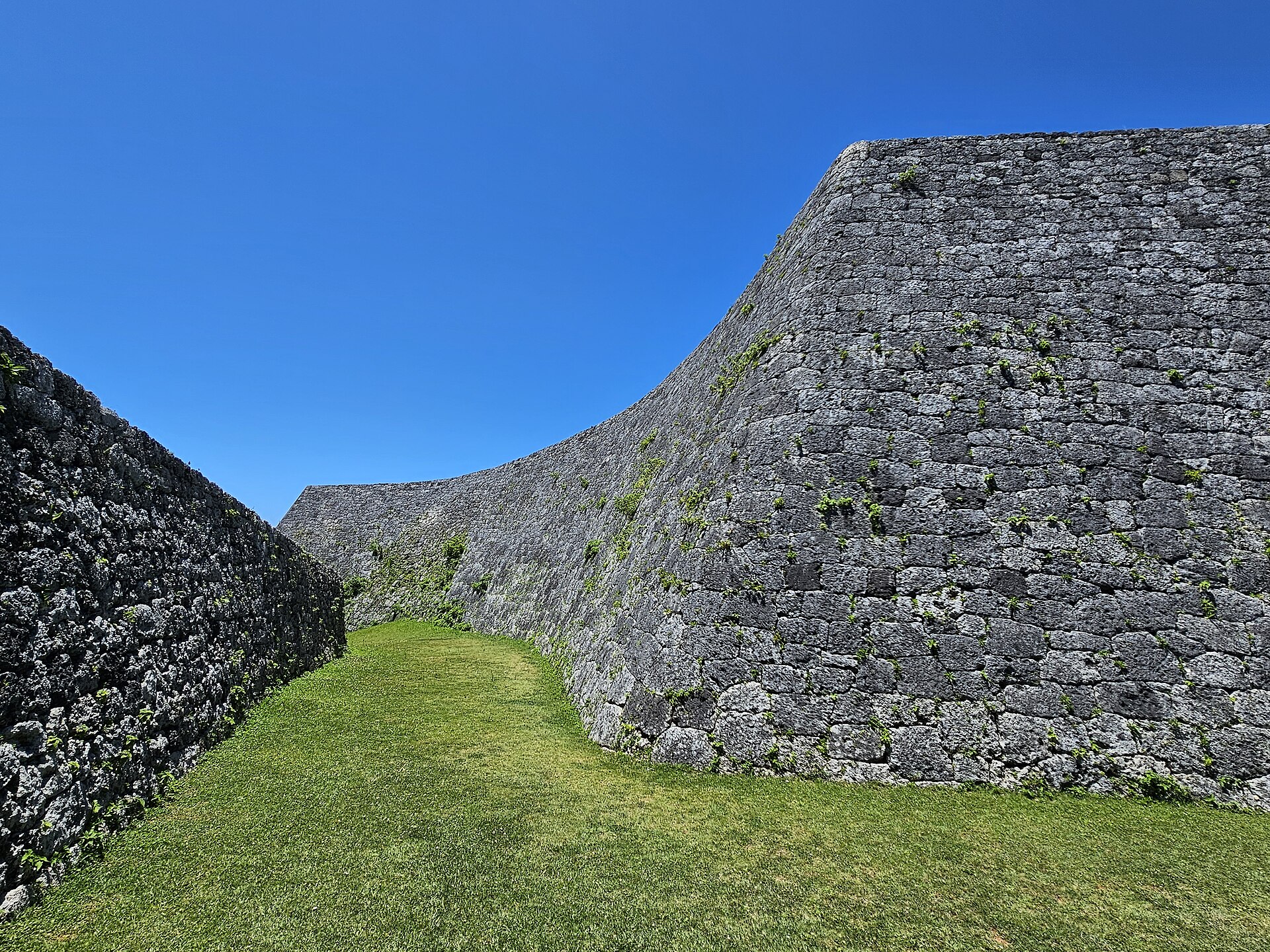
Well knownZakimi is the smallest of the World Heritage gusuku and the one built by the man generally regarded as the best military…
Minatogawa Stateside Town
Little knownIn the 1960s the American administration built housing for its personnel in Urasoe: single-storey concrete boxes with fl…
Plus de lieux à Préfecture d'Okinawa
 Hideto KOBAYASHI / CC BY-SA 2.0
Churaumi Aquarium
Well knownOkinawa Churaumi Aquarium houses the world's second-largest aquarium tank (after Dubai) — the Kuroshio Sea tank holding…
 663highland / CC BY 2.5
Himeyuri Peace Museum
Little knownThe museum entrance sits 100 meters from the Ihara No. 3 Cave mouth where 46 students and five teachers died in the fina…
 pelican from Tokyo, Japan / CC BY-SA 2.0
Taco Rice
Locally knownTaco rice is Okinawa's signature fusion dish — seasoned ground beef (taco meat), shredded lettuce, diced tomato, and shr…