
Cette page n'a pas encore été traduite et s'affiche en anglais.
Kutani-yaki Ceramics
Recherche et rédaction Hinato

Photo: 掬茶 / Wikimedia Commons (CC BY-SA 4.0) · original
Kutani-yaki (九谷焼) is Ishikawa's signature ceramic style known for bold overglaze enamel decoration in five colors: green, yellow, red, purple, and Prussian blue. The pottery originated in 1655 in Kutani village (now part of Kaga City) when the Maeda clan sent potter Goto Saijiro to Arita (Kyushu) to learn porcelain techniques. The original Kutani kilns operated only 50 years before mysteriously closing (this period is called Ko-Kutani, 古九谷, 'Old Kutani'), but the tradition revived in the 1800s, developing distinct decorative styles that remain influential today.
Kutani-yaki is characterized by elaborate hand-painted designs — geometric patterns, landscapes, birds, and flowers applied over white porcelain, then fired at high temperature to fuse the enamels. The boldness of color and design distinguishes Kutani from more subtle ceramics like Kyoto-yaki. Contemporary Kutani artists continue the tradition while innovating with modern forms and patterns. The Kutani Kosen Kiln (九谷光仙窯) and Tedorigawa Shuzo Sake Brewery area contain galleries and workshops where you can observe artisans painting intricate patterns freehand, purchase finished works (¥3,000–300,000 depending on size and artist reputation), and try painting your own piece in workshops.
The five-color palette that defines Kutani-yaki is applied over, not under, the glaze — enamels are painted onto an already-fired white porcelain surface and then fixed with a second, lower-temperature firing, a technique that allows the bold reds, greens, and Prussian blue to sit with unusual density and depth compared to underglaze ceramics. Within this shared vocabulary, individual kilns and eras developed recognizable variations: some favor dense, all-over patterning that covers nearly every surface, while others leave generous areas of white porcelain visible, using restraint to make the painted motifs stand out more sharply. Because each piece is painted freehand rather than stamped or transferred, no two Kutani works are perfectly identical, even within the same design series — small variations in brushstroke and color saturation are part of the appeal rather than a flaw. The style has also proven adaptable; contemporary Kutani potters exhibit internationally, applying the traditional five-color technique to sculptural and abstract forms far removed from the tableware that first made the region's kilns famous, while still training under masters who trace their methods back through generations of the same workshops.
Informations essentielles
Horaires d'ouverture
Kutani Kosen Kiln gallery 9:00 AM – 5:00 PM. Kanazawa Kutani Museum 9:30 AM – 5:00 PM.
Fermé: Kiln gallery open year-round.
Tarif d'entrée
Kiln gallery free. Kanazawa Kutani Museum ¥310. Pottery painting workshop ¥1,500–3,000 (piece shipped after firing; +¥1,500 shipping).
Meilleure saison
Year-round; pottery painting workshop produces a keepsake to commemorate your Ishikawa visit
Durée de visite
30–45 minutes for gallery; 60–90 minutes with pottery painting workshop
Comment s'y rendre
Informations d'accès
Kutani pottery workshops and galleries throughout Kaga City and Kanazawa. Kutani Kosen Kiln: 18-3 Yamashiro Onsen, Kaga City. Free gallery, pottery painting workshop ¥1,500–3,000 (30–60 min, piece shipped after kiln firing, additional ¥1,500 shipping). Ishikawa Prefectural Museum of Art: houses major Ko-Kutani collection (¥370, near Kenrokuen).
Guide d'initié
Painting workshop experience: Kutani Kosen Kiln and similar workshops provide bisque-fired white porcelain pieces (plates, cups, bowls) and underglazes in the five traditional colors. You paint your design freehand using fine brushes — the underglazes appear pastel before firing but intensify dramatically after kiln firing (1,200°C). Instructors provide pattern books for beginners or encourage freehand creativity. The piece requires 2–3 weeks to glaze-fire and cool before shipping (domestic or international, additional ¥1,500–3,000). This hands-on experience teaches appreciation for the skill required — controlling brush pressure, visualizing how colors will intensify, and creating balanced compositions is challenging. The finished piece becomes a permanent, functional souvenir of your Ishikawa visit.
Ko-Kutani vs. Contemporary styles: The Ishikawa Prefectural Museum of Art houses National Treasure Ko-Kutani pieces from the original 1655–1705 production period — these display looser, more asymmetric designs compared to later Kutani's precision. Debate continues whether Ko-Kutani was actually made in Kutani (some scholars argue it was early Arita porcelain misattributed). Viewing these originals provides context for understanding contemporary Kutani's relationship to its history.
Purchasing strategy and pricing: Functional Kutani-yaki (rice bowls, teacups, sake sets) starts at ¥3,000–8,000 for factory-produced pieces with standard patterns. Artist-signed works range ¥15,000–50,000 for small items (cups, plates) to ¥100,000–500,000 for large vases and exhibition pieces. When purchasing, examine: evenness of glaze (should be smooth without bubbles), precision of painted lines, vibrancy of colors, and whether the piece is signed (artist signature adds value and guarantees authenticity). Gallery staff can explain artist backgrounds and techniques. For first-time buyers, a set of five small plates (¥8,000–15,000) offers variety while remaining affordable and packable. Kutani-yaki is dishwasher and microwave safe (unlike some delicate ceramics), making it practical for daily use.
Réserver un hébergement à proximité
Trouvez un hébergement près de Kutani-yaki Ceramics sur ces plateformes de confiance :
Lieux à proximité
Les lieux secrets les plus proches de Kutani-yaki Ceramics, par distance à vol d'oiseau.
 Yuichi Itoda / CC BY-SA 4.0
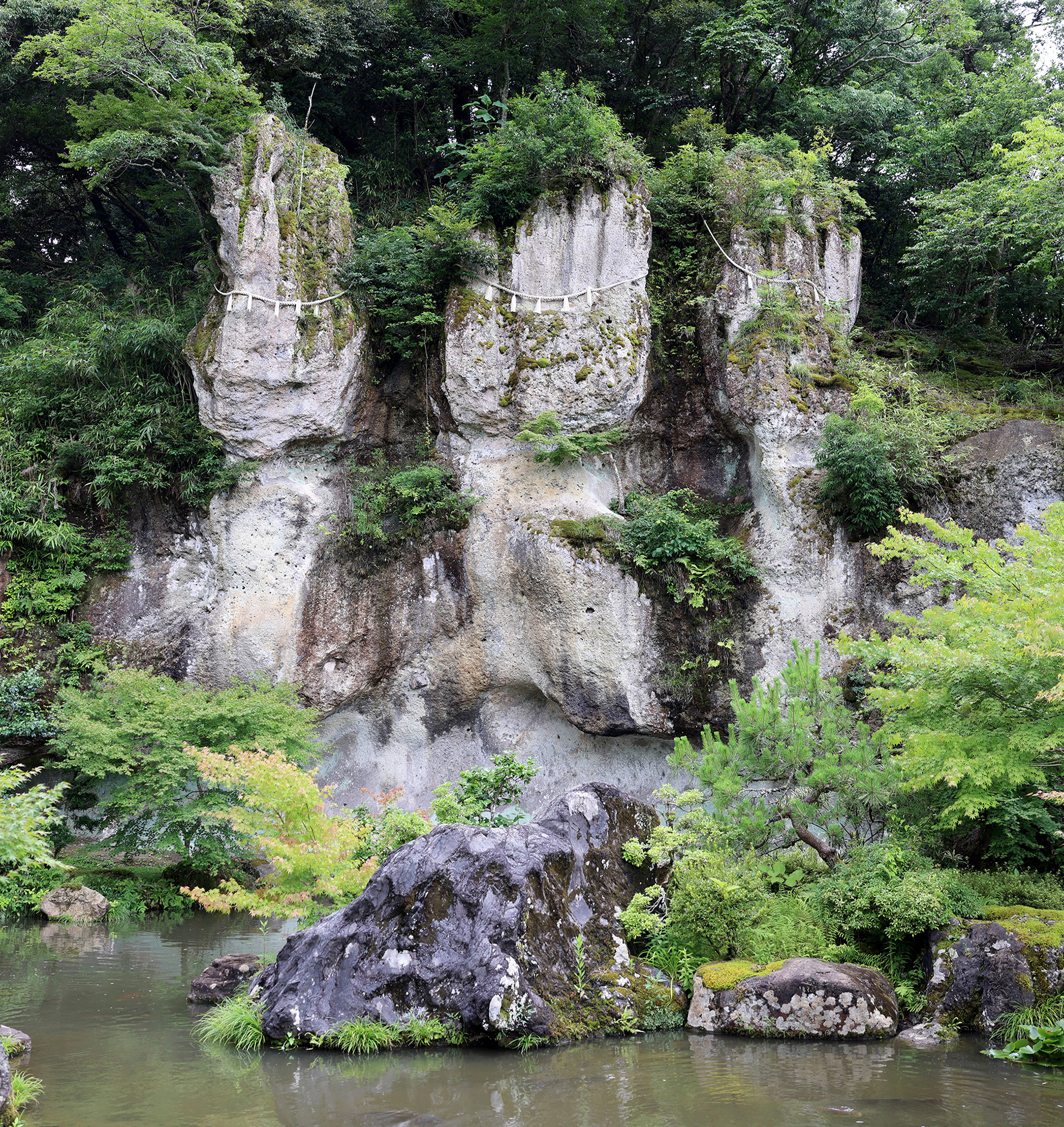
Natadera Temple
Little knownNatadera Temple (那谷寺) is an ancient mountain temple founded in 717 AD, renowned for its dramatic natural setting among m…
Kaga Onsen
Little knownKaga Onsen (加賀温泉郷) refers to four historic hot spring villages in southern Ishikawa: Yamanaka, Yamashiro, Katayamazu, an…
Awara Onsen
Little knownAwara Onsen (芦原温泉) is Fukui's premier hot spring resort, established in 1883 when a farmer accidentally discovered therm…
Taniguchiya
Little knownFukui eats more fried tofu per household than any other prefecture in Japan, by a wide margin, and the reason is partly…
 shikabane taro / CC BY 3.0
Maruoka Castle
Little knownMaruoka Castle (丸岡城) possesses the oldest surviving castle keep (tenshu) in Japan, constructed in 1576 — a claim dispute…
Mikuni Minato
Little knownMikuni (三国湊) was one of Hokuriku's most prosperous ports during the Edo and Meiji periods, serving as the coastal hub fo…
Plus de lieux à Préfecture d'Ishikawa
 Micra / CC BY-SA 3.0
D.T. Suzuki Museum
Locally knownThe D.T. Suzuki Museum (鈴木大拙館) honors Daisetz Teitaro Suzuki (1870–1966), the Kanazawa-born Buddhist scholar who introdu…
Noto Peninsula Coastal Drive
Little knownThe Noto Peninsula (能登半島) extends 100km into the Sea of Japan, offering dramatic coastal scenery, traditional fishing vi…
 SONIC BLOOMING / CC BY-SA 4.0
Chirihama Nagisa Driveway
Little knownChirihama Nagisa Driveway (千里浜なぎさドライブウェイ) is Japan's only beach where you can legally drive a car directly on the sand —…