
Cette page n'a pas encore été traduite et s'affiche en anglais.
Sugaya Tatara Sannai
Recherche et rédaction Hinato
Préfecture de Shimane · Unnan
35.1848°N, 132.8534°E
Tatara is the Japanese smelting method that produced tamahagane, the steel used for swords — iron sand and charcoal fed into a clay furnace and worked for three days and nights without stopping. It was concentrated in the mountains of Izumo, where the sand and the timber were, and it built the fortunes of this part of Shimane. Sugaya is where you can still see the building it happened in.
The takadono at Sugaya is the only surviving structure of its kind in Japan: a large timber shed built around the furnace, with the roof arrangement that let the heat and smoke out. It operated until 1921 and is designated an Important Tangible Folk Cultural Property. Around it stands the sannai — the workers' settlement, with the row houses, the master's residence and the ancillary buildings still in place, so the site reads as a whole industrial village rather than a single exhibit. Tickets are bought at the three-unit row house facing the takadono.
The tatara method that ran here for generations depended on an entire regional ecosystem, not just the furnace itself — iron sand washed down from the granite mountains was collected and sorted in a process called kanna-nagashi, charcoal came from managed forestry cycles across the surrounding hills, and the whole operation required enough skilled labor, from furnace masters to bellows workers to charcoal burners, to support the residential settlement still standing around the takadono today. Walking between the worker housing and the master's residence, it becomes clear that Sugaya functioned less like a single workshop than a small, self-contained industrial town built entirely around one continuous, three-day-long act of smelting. That the operation continued into the twentieth century, long after most of Japan's tatara sites had shut down in the face of modern steelmaking, is largely why the buildings survive in such complete form — the site simply didn't sit abandoned long enough to fall apart before its historical value was recognized.
Informations essentielles
Horaires d'ouverture
9:00 AM – 5:00 PM, last entry 4:00 PM (some listings give a 4:00 PM close — confirm before a late visit)
Fermé: Closed Mondays, or the following day when the Monday is a national holiday
Tarif d'entrée
¥310 adults | ¥210 elementary and junior high school students
Meilleure saison
Year-round | Late October–November for colour in the surrounding hills
Durée de visite
60–90 minutes | 3 hours with the Iron History Museum
Comment s'y rendre
Informations d'accès
Guide d'initié
Réserver un hébergement à proximité
Trouvez un hébergement près de Sugaya Tatara Sannai sur ces plateformes de confiance :
Lieux à proximité
Les lieux secrets les plus proches de Sugaya Tatara Sannai, par distance à vol d'oiseau.
 Illustration — il ne s'agit pas d'une photographie
Ryuzugataki Falls
Little knownRyuzugataki is two waterfalls: the female fall at 30 metres and the male fall at 40, the larger of which is described as…
Oni no Shitaburui
Locally knownThe name means the demon's tongue trembling, and it comes from a story in the Izumo Fudoki about a shark deity in love w…
 Tatsuya Sakai / CC BY-SA 3.0
Tachikue Gorge
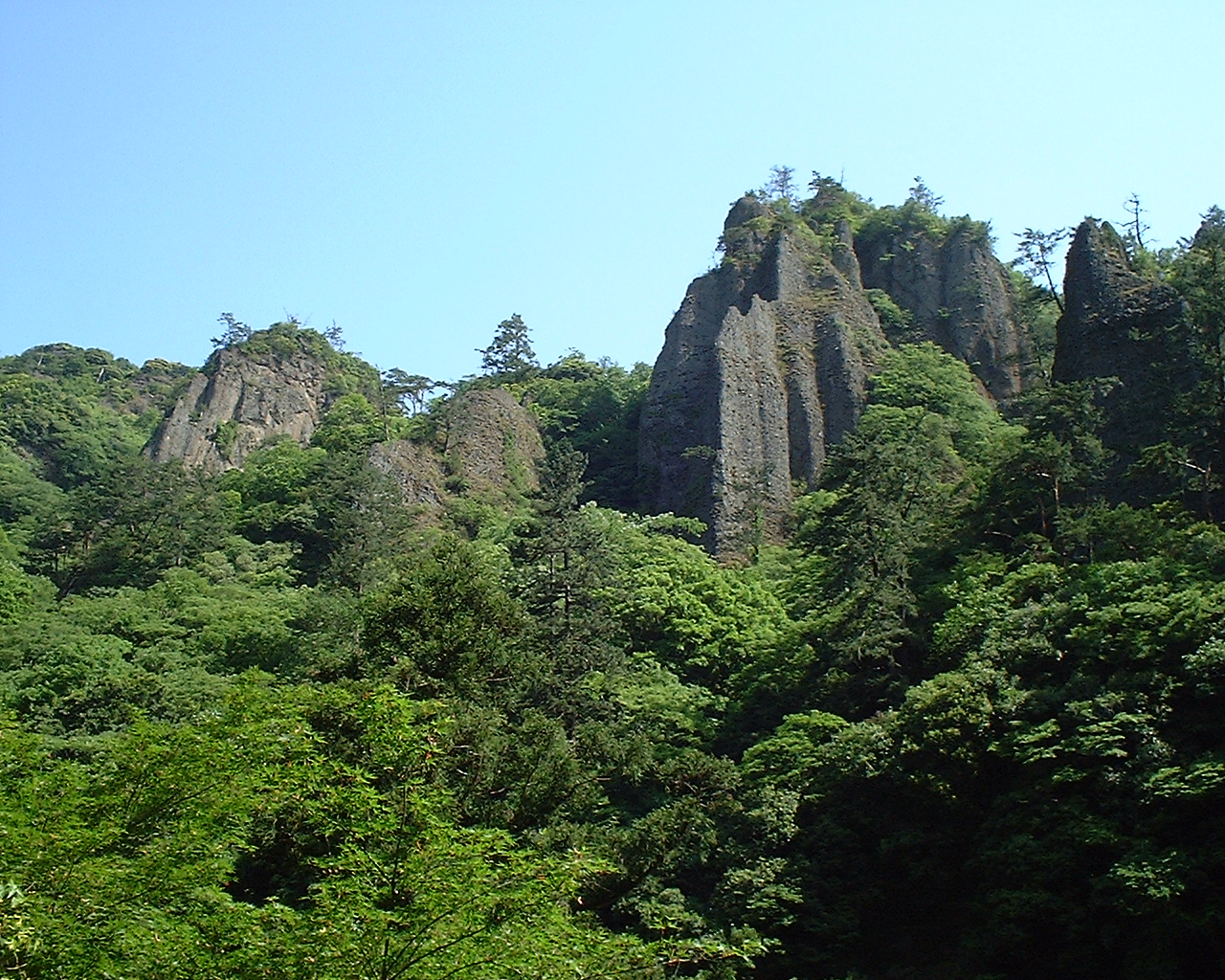
Little knownTwenty minutes from central Izumo, the Kando River runs between walls of columnar rock rising 100 to 200 metres — eroded…
 Nesnad / CC BY 4.0
Shussai Kiln
Little knownShussai Kiln was started in 1947 by five local men in their twenties, none of them trained potters, who decided to make…
 立志堂 / CC BY-SA 4.0
Sanbe Azukihara Buried Forest
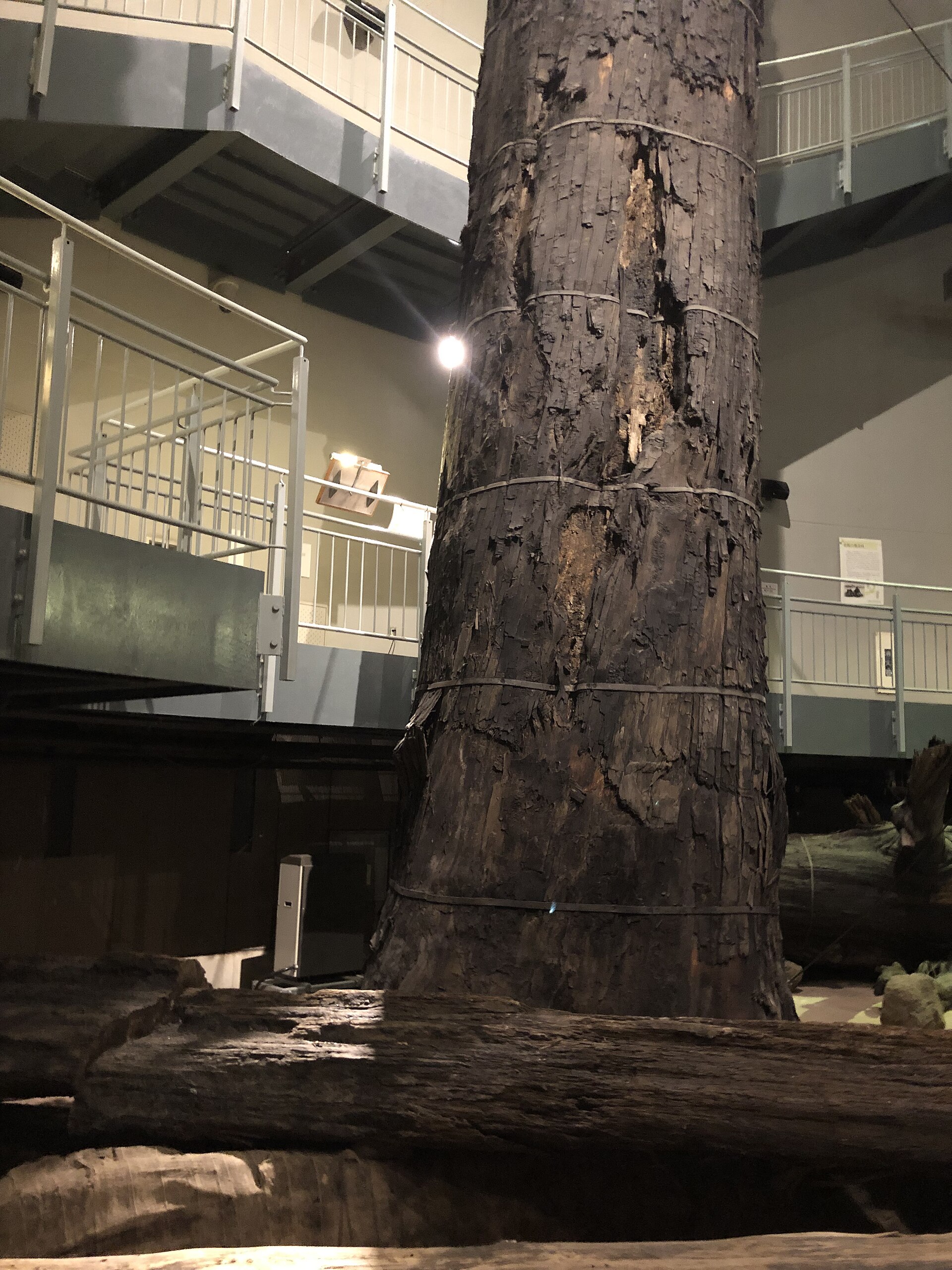
Little knownAbout four thousand years ago Mt. Sanbe erupted and buried the forest at its foot in volcanic debris — not flattening th…
Arakiya
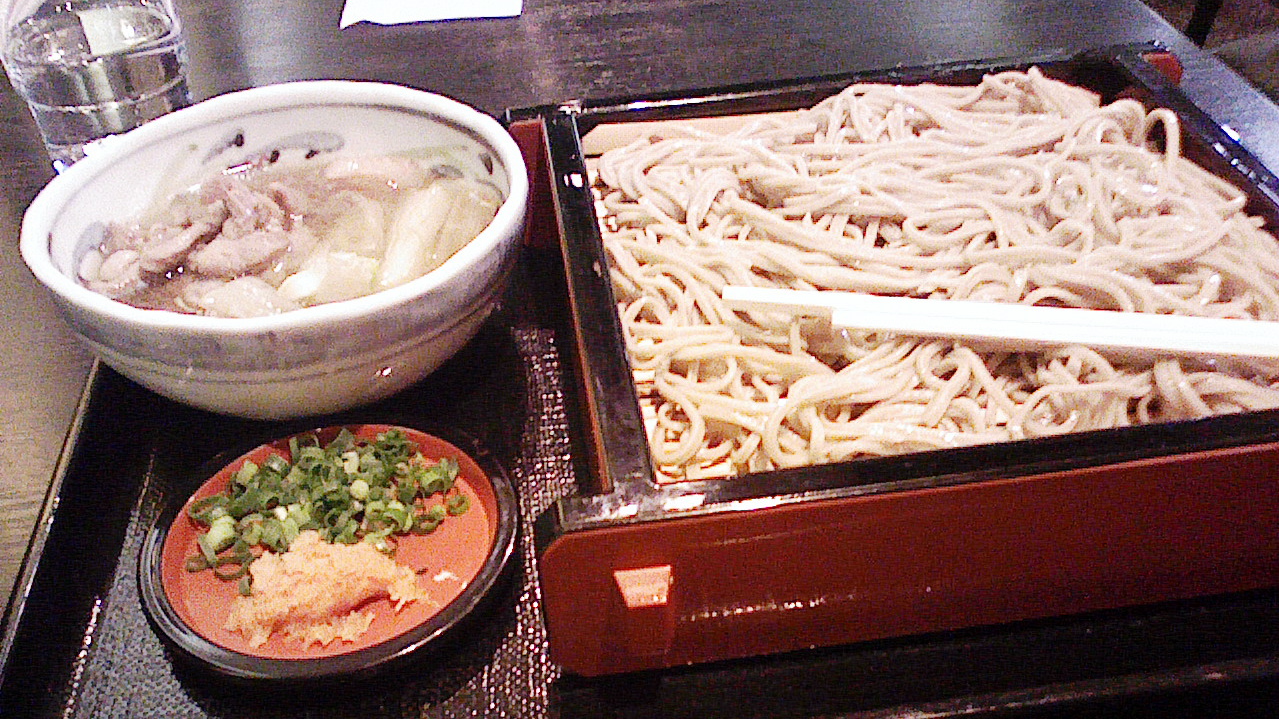
Little knownThere are a dozen soba shops around Izumo Taisha and Arakiya is the oldest of them, founded in the Tenmei era of the 178…
Plus de lieux à Préfecture de Shimane
 663highland / CC BY-SA 4.0
Iwami Ginzan
Little knownIwami Ginzan is the remains of Japan's biggest silver mine, which from 1526 to 1923 pulled enough silver out of these mo…
 boreal eye / CC BY 2.0
Izumo Soba
Little knownIzumo Soba (出雲そば) is Shimane's signature noodle dish, served in a unique warigo (割子) style: three small stacked lacquere…
 yogiyogi / CC BY 4.0
Lake Shinji Sunset
Little knownLake Shinji (宍道湖) is Japan's seventh-largest lake, famous for its spectacular sunsets ranked among the nation's top 100.…