
このページはまだ翻訳されていないため、英語で表示しています。
Fuji Safari Park
調査・執筆 Hinato

Photo: Mayuno / Wikimedia Commons (CC BY-SA 3.0) · original
Fuji Safari Park (富士サファリパーク) is a 74-hectare drive-through wildlife park at the base of Mt. Fuji where visitors observe lions, tigers, cheetahs, elephants, and bears from vehicles that drive through enclosures. The park divides into Safari Zone (drive-through) and Interaction Zone (walk-through with feeding opportunities). The Safari Zone recreates African savanna and Asian forest environments where animals roam freely and approach vehicles — lions often rest directly beside cars, and giraffes extend their heads through bus windows for feeding (extra fee).
The park operates special safari buses with reinforced windows and mesh ceilings allowing animals to walk over the vehicle roof. Tigers and bears occasionally climb onto buses, creating thrilling close encounters. Private cars are also permitted but remain more separated from animals. The Mt. Fuji backdrop adds photographic appeal — though clouds often obscure the peak, clear mornings provide spectacular views of wildlife with Japan's sacred mountain rising behind.
Beyond the drive-through core, the park runs a walk-through Interaction Zone modeled more like a conventional zoo, with enclosures for smaller and gentler species that would be impractical to keep in an open safari setting — capybaras, kangaroos, and a red panda area are usually the most popular stops, and several allow direct hand-feeding under staff supervision. A separate nighttime program runs on select evenings, when the same drive-through route is opened after dark and lit only by vehicle headlights, changing which animals are active and giving the whole circuit a very different character from the daytime version. The park styles itself around the contrast between its two halves: one where visitors stay inside a vehicle and animals set the terms of the encounter, and one where visitors walk freely and the animals are the ones behind fencing — a deliberate switch in who is contained that most guests notice only after doing both.
基本情報
営業時間
9:00 AM – 4:30 PM (varies seasonally)
定休日: Open year-round
料金
¥3,200 adults (private car) | ¥2,000 children | Safari Bus additional ¥1,500
ベストシーズン
December–February (clearest Mt. Fuji views, 60% visibility)
滞在目安
2.5–3.5 hours
アクセス
アクセス情報
インサイダーガイド
近くのスポット
Fuji Safari Parkから直線距離で近い穴場スポットです。
 User:rockisdead1979 / CC BY-SA 3.0
Mt. Fuji
FamousMount Fuji (富士山, Fuji-san) at 3,776 meters doesn't just loom over the Kanto plain—it commands it. The Shizuoka side owns…
 イメージイラスト(写真ではありません)
Mt. Fuji Yoshida Trail
FamousThe Yoshida Trail is the most popular of the four official Mt. Fuji climbing routes, accounting for over 60% of all summ…
 イメージイラスト(写真ではありません)
Lake Yamanakako
Little knownLake Yamanakako, the largest and highest-elevation (980m) of the Fuji Five Lakes, stretches 6.8km east-west with the sou…
 663highland / CC BY-SA 4.0
Oshino Hakkai
Little knownOshino Hakkai is a collection of eight crystal-clear ponds fed by snowmelt from Mt. Fuji that has filtered through under…
 江戸村のとくぞう / CC BY-SA 4.0
Kitaguchi Hongu Fuji Sengen Shrine
Little knownKitaguchi Hongu Fuji Sengen Shrine has served as the traditional starting point for Mt. Fuji pilgrimages via the Yoshida…
 1i1ian / CC BY-SA 4.0
Chureito Pagoda
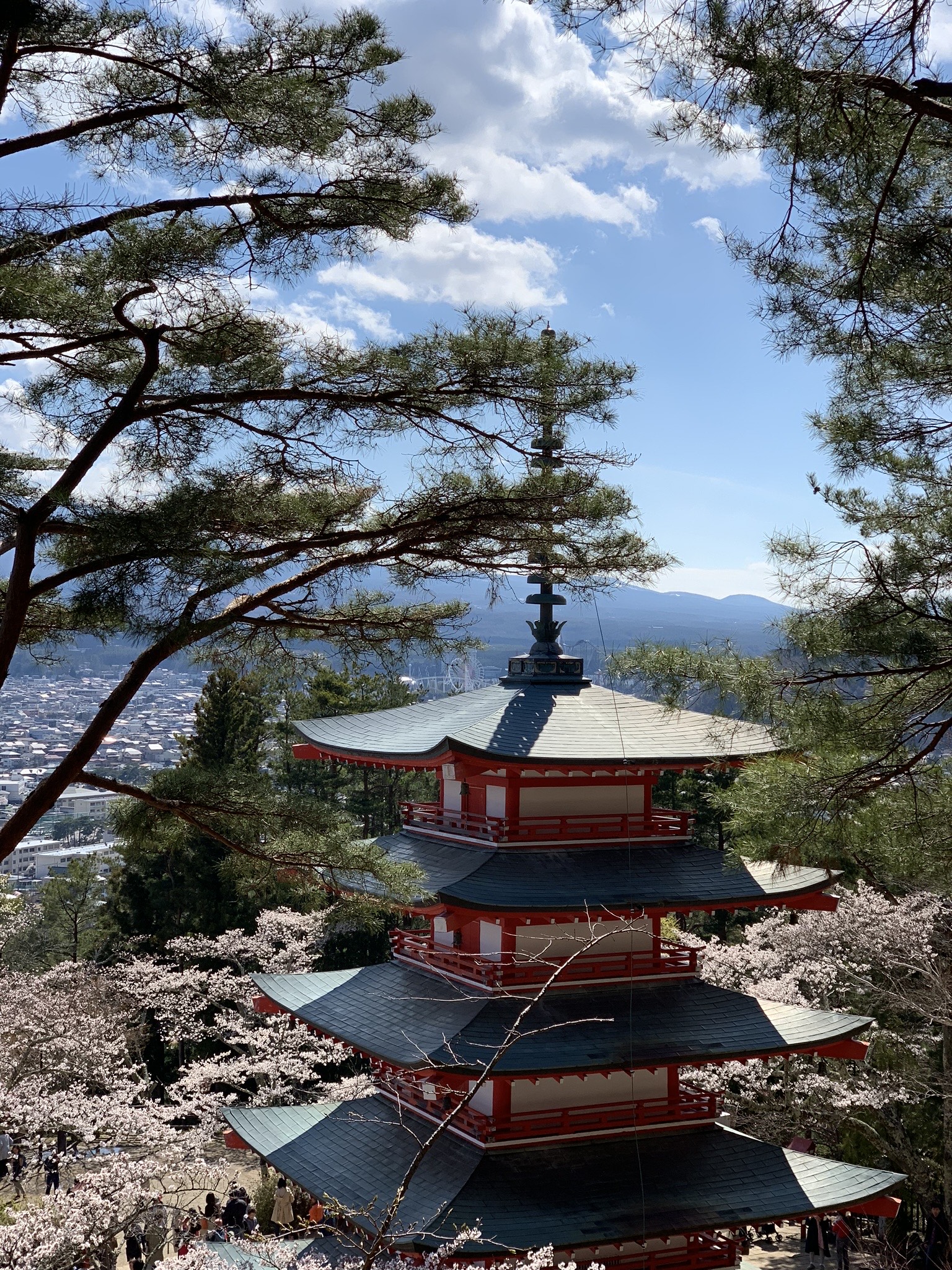
FamousThe Chureito Pagoda, a five-story vermillion structure perched on the hillside above Fujiyoshida City, offers the postca…
静岡県のその他のスポット
 Nesnad / CC BY 4.0
Shuzenji Onsen
Little knownShuzenji Onsen (修善寺温泉) is a historic hot spring town in the heart of the Izu Peninsula, founded 1,200 years ago when Bud…
 SHIZUOKACITYperson / CC BY-SA 4.0
Mishima Skywalk
Little knownMishima Skywalk (三島スカイウォーク) is Japan's longest pedestrian suspension bridge at 400 meters, suspended 70 meters above a f…
 alonfloc / CC BY 3.0
Joren Falls
Little knownJoren Falls (浄蓮の滝, Joren-no-taki) is a 25-meter waterfall cascading through columnar basalt formations in the forested m…