
このページはまだ翻訳されていないため、英語で表示しています。
Onomichi Temple Walk
調査・執筆 Hinato

Photo: shikabane taro / Wikimedia Commons (CC BY 3.0) · original
Onomichi (尾道) is a hillside port city where 25 historic Buddhist temples cascade down the slopes overlooking the Seto Inland Sea, connected by a 2.5-kilometer walking route known as the Temple Walk (寺めぐりコース, Tera-meguri Course). Onomichi's temples date from the 9th to 17th centuries, representing various Buddhist sects — Pure Land, Shingon, Zen — and the walk weaves through narrow stone-stepped alleys, residential neighborhoods, cat-filled lanes, and forested paths, offering glimpses of traditional Japanese urban life and sweeping sea views between temple visits.
Key temples include Senkoji Temple (千光寺) perched at 144 meters with panoramic city and sea vistas accessible via ropeway or steep stairs; Saikokuji Temple (西國寺), a Shingon sect head temple with a massive three-story pagoda and guardian deity statues; and Jodoji Temple (浄土寺), which houses National Treasure architecture from the Kamakura period. The Temple Walk isn't rigidly defined — visitors can customize routes, visiting all 25 temples (4–5 hours) or selecting highlights (90–120 minutes). The walk's charm lies in the journey as much as destinations: discovering hidden staircases (the city has over 1,000 stone steps), encountering cats lounging in sun-dappled alleys (Onomichi is famous for its cat population), and experiencing a slower, more intimate side of Japan far from Tokyo's neon sprawl.
The density of temples packed into such a small hillside is a direct result of Onomichi's history as a trading port on the Seto Inland Sea — merchants and shipping guilds who grew wealthy on maritime trade during the medieval and early modern periods funded temple construction as both a religious act and a public display of status, and because usable flat land was scarce in a city squeezed between the sea and steep hills, temples were built wherever a terrace could be carved into the slope rather than clustered in a single district. That same geography, narrow lanes climbing between close-set houses, is why the city became such a well-known filming location for Japanese cinema and a haven for its resident cat population, which favors the warm stone steps and quiet alleys the temple walk passes through. Locals distinguish the walk less by which specific temples a visitor manages to see than by which staircases and viewpoints they stumble across along the way — the informal, wandering character of the route is treated as more essential to the experience than completism.
基本情報
営業時間
Walking paths: Accessible 24/7 (outdoor route) | Individual temples: Generally 8:00 AM – 5:00 PM
定休日: No closure for the walk itself | Ropeway: No regular closures | Individual temples vary
料金
Most temples: Free | Some charge ¥100–300 | Senkoji Ropeway: ¥500 one-way, ¥700 round-trip
ベストシーズン
Spring (April, cherry blossoms) | Autumn (November, maple foliage) | Year-round for cats and temple atmosphere
滞在目安
90 minutes (highlights: Senkoji + Cat Alley) | 4-5 hours (all 25 temples)
アクセス
アクセス情報
インサイダーガイド
近くのスポット
Onomichi Temple Walkから直線距離で近い穴場スポットです。
 nhayashida / CC BY 2.0
Shimanami Kaido (Onomichi side)
Little knownThe Shimanami Kaido (しまなみ海道), completed in 1999, runs 70 kilometers from Onomichi to Imabari, linking six islands with e…
 ノボホショコロトソ / CC BY 4.0
Onomichi Ramen
Little knownOnomichi ramen (尾道ラーメン) is a distinctive local ramen style characterized by soy sauce-based broth (shoyu), flat noodles,…
 そらみみ / CC BY-SA 4.0
Innoshima Suigunjo
Little knownThe Murakami were not pirates in the sense the English word implies. They controlled the passages of the central Inland…
 Naokijp / CC BY-SA 4.0
Myoo-in
Locally knownMyoo-in has two National Treasures on one small hillside: a main hall rebuilt at the end of the Kamakura period and a fi…
 Fabimaru / CC BY-SA 4.0
Kosanji Temple
Little knownKosanji was built by an industrialist who took Buddhist orders after his mother's death and spent thirty years and a for…
 AMANO Jun-ichi / CC BY 3.0
Tomonoura Port
Little knownTomonoura (鞆の浦) is a historic fishing port on Hiroshima's southeastern coast, renowned as the inspiration for Hayao Miya…
広島県のその他のスポット
 そらみみ / CC BY-SA 4.0
Hiroshima Castle
Locally knownHiroshima Castle (広島城), nicknamed 'Carp Castle' (鯉城, Rijō) for the carp that once swam in its moats, is a reconstructed…
 clear_and_sunny / CC BY 3.0
Mt. Misen
Locally knownMt. Misen (弥山, 535 meters) has been Miyajima's spiritual anchor since 806, when Kobo Daishi spent 100 days meditating in…
 妖精書士 / CC BY-SA 3.0
Takehara Preservation District
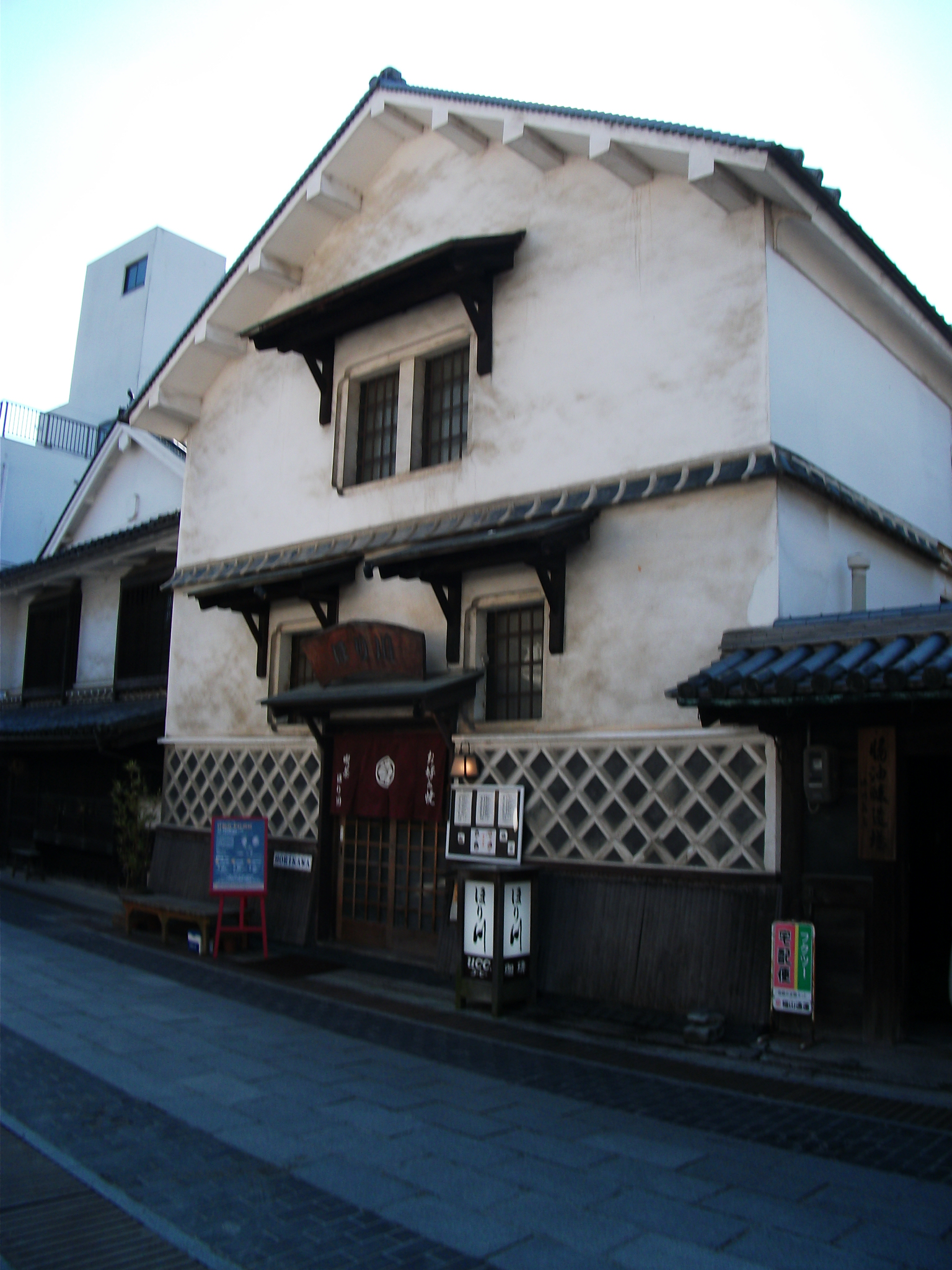
Locally knownTakehara made its money from salt and sake. The Seto Inland Sea coast here was laid out as evaporation flats in the seve…