
이 페이지는 아직 번역되지 않아 영어로 표시됩니다.
Senjogahara Marshland
조사·집필 Hinato
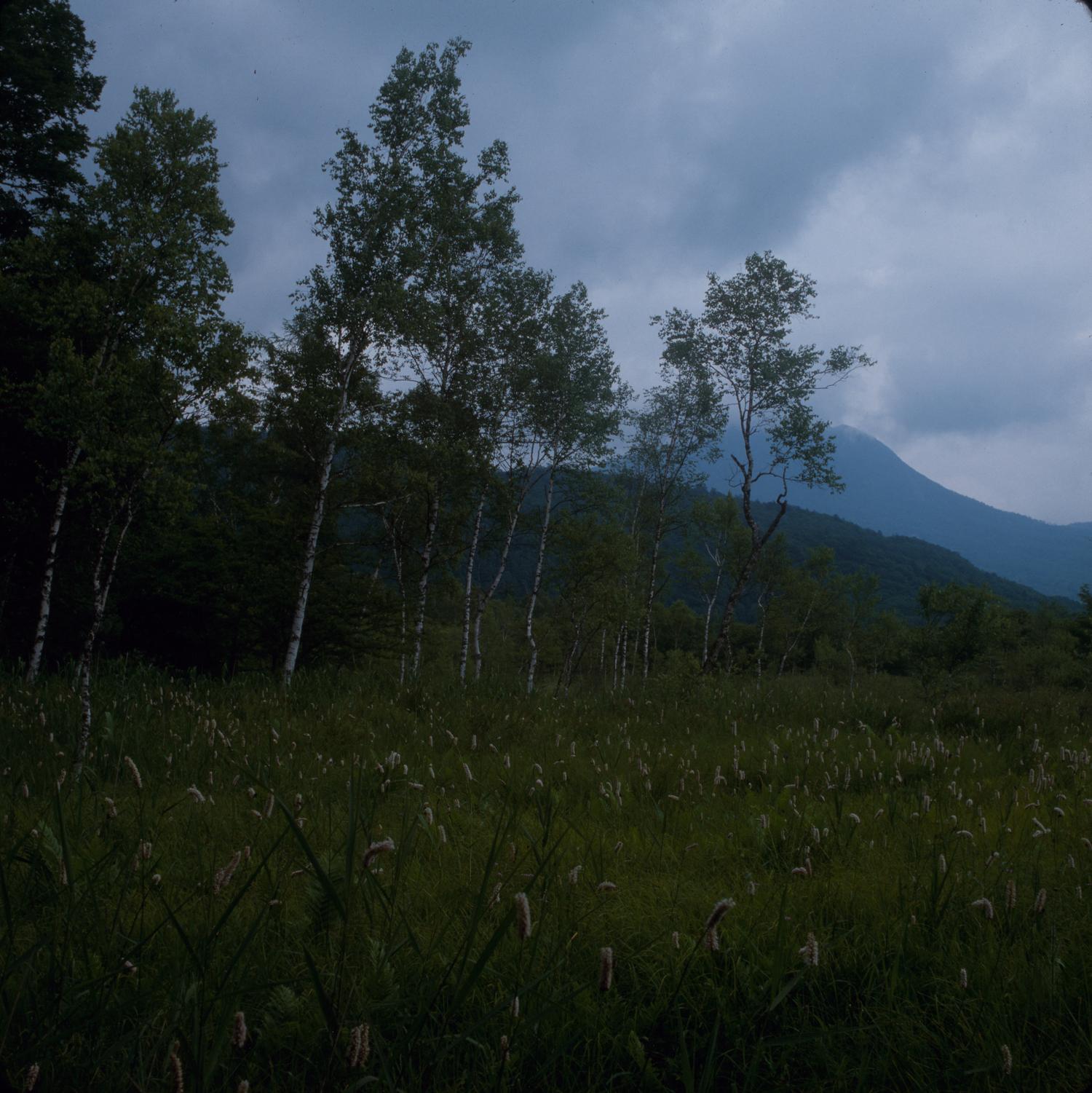
Photo: Carlquist, Sherwin John, 1930-2021 / Wikimedia Commons (CC BY 4.0) · original
Senjogahara is a 400-hectare highland wetland at 1,400 meters elevation, formed when volcanic lava flows blocked drainage valleys and created a waterlogged plateau. The marsh is covered in grasses, sedges, and dwarf shrubs, crossed by wooden boardwalk trails that allow access without damaging the fragile ecosystem. The landscape is wide-open, almost Scandinavian — low vegetation, distant mountains, big sky.
The main hiking trail is a 5.5-kilometer loop (2 hours) that traverses the marsh, crosses the Yukawa River on wooden bridges, and passes through birch and larch forest. The wetland hosts over 350 plant species and is a critical habitat for migratory birds. In autumn (late September–early October), the marsh grasses turn gold and crimson, creating a landscape of subtle, shifting color. The area is part of Nikko National Park and represents the wild, untouched side of Nikko — no temples, no crowds, just altitude, light, and silence.
기본 정보
영업시간
Trail access: dawn to dusk | Open May–November | Ryuzu Falls teahouse: 10:00 AM – 4:00 PM
휴무일: Closed November–April (snow covers boardwalks) | No facilities mid-trail; buses run seasonally
입장료
Trail access: free | Ryuzu Falls teahouse (matcha and dango): ¥500–700
베스트 시즌
Late September–early October (marsh grasses turn gold and crimson, peak koyo) | June–July (wildflowers: swamp iris, cotton-grass) | May for fresh green beech forest
방문 소요 시간
5.5 km loop: 2–2.5 hours | With Ryuzu Falls lunch: 3 hours | With Yumoto Onsen soak at end: 4–5 hours total
가는 방법
교통 정보
인사이더 가이드
주변 스팟
Senjogahara Marshland에서 직선거리로 가장 가까운 히든 스팟들입니다.
 Miyuki Meinaka / CC BY-SA 4.0
Akechidaira Ropeway
Locally knownThe Akechidaira Ropeway is a 3-minute cable car that ascends 300 vertical meters from the Akechidaira Plateau to an obse…
 Joli Rumi / CC BY-SA 4.0
Lake Chuzenji & Kegon Falls
FamousLake Chuzenji sits at 1,269 meters in a volcanic caldera formed 20,000 years ago when Mount Nantai erupted and lava damm…
Hacchonoyu
Locally knownThere are four inns in the Okukinu hot spring group, at the head of the Kinugawa valley inside Nikko National Park, and…
 663highland / CC BY-SA 4.0
Kanmangafuchi Abyss
Locally knownA twenty-minute walk from the Toshogu crowds, on the far bank of the Daiya River, a lava gorge runs between the trees an…
 이미지 일러스트 (사진이 아닙니다)
Toshogu Shrine
FamousToshogu Shrine is the mausoleum of Tokugawa Ieyasu, the founder of the Tokugawa Shogunate, and represents the absolute z…
Shinkyo Bridge
Locally knownShinkyo is a vermilion-lacquered wooden bridge that arcs over the Daiya River at the entrance to Nikko's shrine district…
도치기현의 다른 스팟 더 보기
 663highland / CC BY 2.5
Sessho-seki
Little knownThe legend says that a nine-tailed fox, having failed to destroy the imperial court in the guise of a court lady, was hu…
 Suikotei / CC BY 4.0
Bato Hiroshige Museum
Little knownKengo Kuma built this museum in 2000, before he was internationally famous, and it is the building where his approach be…
SL Moka
Little knownThe Moka Railway is a 42-kilometre single-track line running east from Shimodate through rice country to Motegi, and at…