
Kongobu-ji Temple
Researched and written by Hinato

Photo: Nankou Oronain (as36… / Wikimedia Commons (CC BY-SA 3.0) · original
Kongobu-ji (金剛峯寺) is the head temple of Shingon Buddhism and the administrative center of Koyasan's 117 temples, founded by Kobo Daishi in 816 AD. The temple complex features expansive wooden halls with tatami rooms decorated with exquisite fusuma (sliding door) paintings by Kano school masters, depicting nature scenes (cherry blossoms, pine trees, cranes) in gold leaf and mineral pigments. The main hall's interior includes the Willow Room (Yanagi-no-Ma, 柳の間) where Toyotomi Hidetsugu, nephew of Toyotomi Hideyoshi, was ordered to commit seppuku (ritual suicide) in 1595 — the ceiling still shows a bloodstain pattern from that event.
The temple's rock garden, Banryutei (蟠龍庭), is Japan's largest stone garden — 2,340 square meters of white gravel raked into wave patterns with 140 granite rocks arranged to represent two dragons emerging from clouds. Viewed from the veranda, the garden creates a meditative space embodying Zen aesthetics and impermanence. Kongobu-ji also houses the temple's kitchen (Daidokoro, 台所) — massive iron cauldrons and wooden utensils used historically to prepare shojin ryori for hundreds of monks. The temple is a living institution — monks in training (shukke, 出家) study esoteric Buddhism here, continuing lineages stretching back to Kobo Daishi. Visitors can purchase omamori (protective amulets) blessed in the main hall, connecting them to Shingon's spiritual lineage.
Kongobu-ji sits at the heart of a temple town that has functioned as a self-contained religious settlement for over a millennium, and visiting it alongside a walk through Koyasan's surrounding lanes gives a fuller sense of how the headquarters relates to the roughly one hundred subordinate temples that support it. The approach to the main gate passes stone walls and pine trees that filter the mountain light, and the temple's scale becomes apparent only once inside — a warren of connected wooden corridors, chambers, and gardens that visitors are free to wander at their own pace after removing their shoes. Because Kongobu-ji functions as a working administrative and ceremonial center rather than a static museum, the atmosphere shifts depending on when you visit: quiet and contemplative on ordinary mornings, busier and more ceremonial during major Shingon festivals when robed monks move briskly between halls. The temple's role as headquarters also means it periodically hosts visiting dignitaries and large pilgrim groups, so an early arrival tends to reward visitors with a calmer, less crowded experience of the fusuma paintings and rock garden. Many visitors pair the temple with a walk to nearby Danjo Garan, whose vermillion pagoda and open plaza offer a striking architectural counterpoint to Kongobu-ji's more intimate, enclosed halls.
Practical details
Opening Hours
8:30 AM – 5:00 PM (last entry 4:30 PM)
Closed: Open year-round
Entrance Fee
¥1,000 adults (includes matcha tea and seasonal wagashi sweet served in reception room)
Best Season
Autumn (October–November) for Banryutei rock garden in fall lighting; spring (April–May) for cherry blossoms; year-round
Visit Duration
45–60 minutes for interior halls, rock garden contemplation, and tea service
Getting There
Access Information
Location: Koyasan town center, near Senjuinbashi bus stop. Entry: ¥1,000 (includes green tea and sweet in the temple's reception room). Visit duration: 45-60 min. Guided tours in Japanese (English pamphlets available). Photography allowed in rock garden and some halls (ask permission in specific rooms). Combine with Danjo Garan for a half-day Koyasan exploration.
Tips
Interior highlights: The fusuma paintings are masterpieces — the Cherry Blossom Room (桜の間) features gold-leafed cherry trees in full bloom; the Pine Room (松の間) depicts wind-bent pines symbolizing resilience. The Willow Room's ceiling (where Hidetsugu died) shows a dark stain pattern — monks interpreted it as a manifestation of lingering karma, preserving it as a reminder of impermanence and the consequences of worldly power.
Banryutei rock garden: Best viewed mid-morning (9:00-11:00) when raking patterns are freshly maintained and lighting is soft. The garden's name translates to 'coiled dragon garden' — the rock arrangements represent a male dragon (left) and female dragon (right) emerging from a sea of clouds (white gravel). Sit on the veranda for 10-15 minutes to absorb the meditative atmosphere — the garden is designed to quiet the mind and reflect Shingon teachings on emptiness and form. The gravel is raked daily by temple monks as a form of moving meditation.
Green tea service: This hospitality reflects Koyasan's tradition of welcoming pilgrims. The tea is ceremonial-grade, whisked tableside by temple staff. The sweet (usually kuri yokan in autumn, sakura mochi in spring) complements the tea's bitterness. Take time to savor the tea slowly — this pause extends the temple visit's contemplative nature. The reception room overlooks an interior garden, adding to the serene setting.
Book Your Stay Nearby
Find accommodation close to Kongobu-ji Temple on these trusted booking platforms:
Nearby Spots
The closest hidden gems to Kongobu-ji Temple, by straight-line distance.
 Jpatokal / CC BY-SA 4.0
Shojin Ryori
Locally knownShojin ryori is what Buddhist monks eat: no meat, no fish, no eggs, no onions or garlic (they're thought to stir up desi…
 Uo3rt / CC BY-SA 4.0
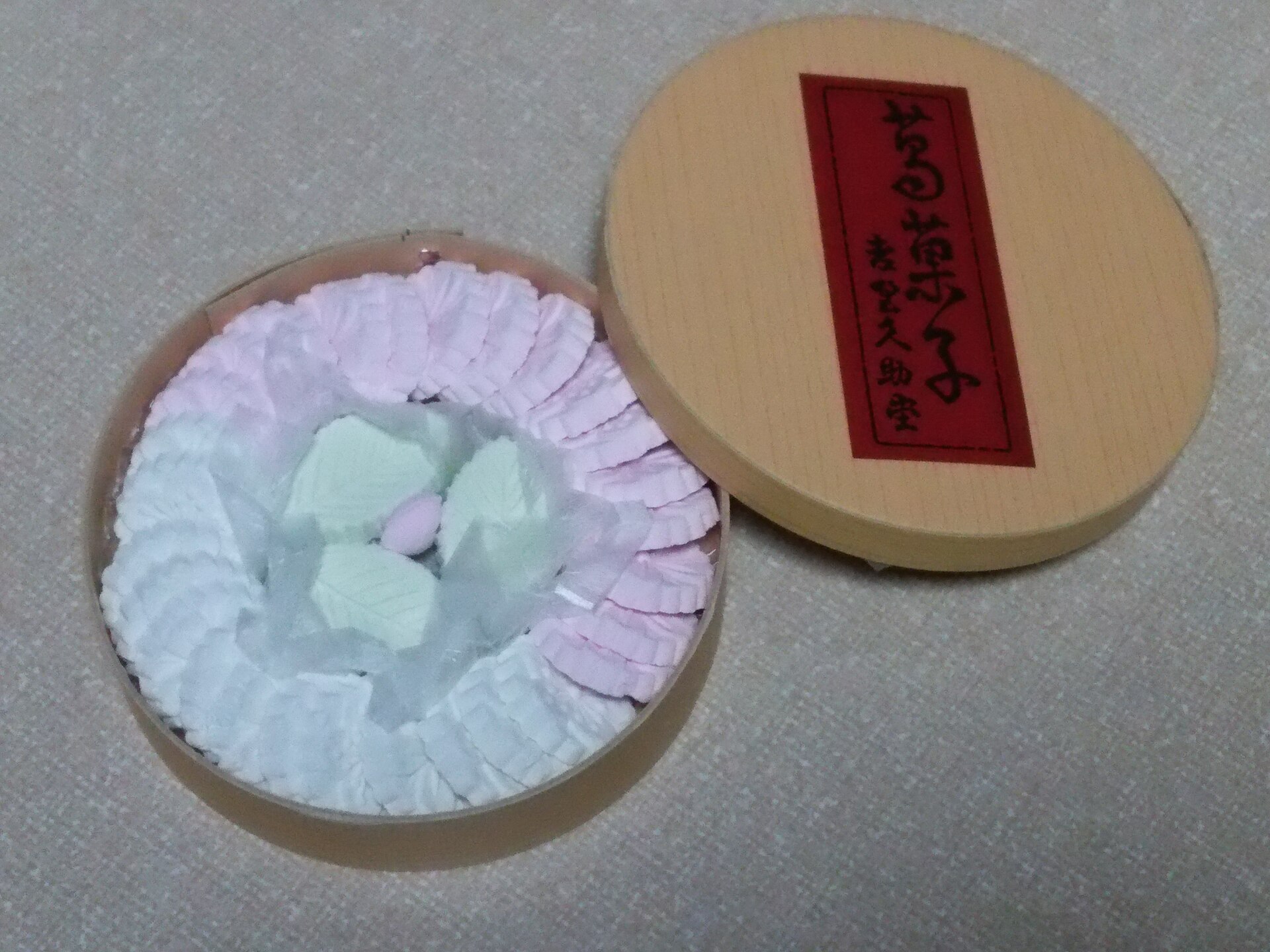
Yoshino Kuzu Mochi
Little knownYoshino is Japan's premier producer of kuzu (葛, arrowroot starch), a plant-based starch extracted from kudzu vine roots…
 Yoshio Kohara / CC BY 3.0
Wakayama Castle
Little knownWakayama Castle (和歌山城) is a hilltop fortress built in 1585 by Toyotomi Hideyoshi's brother, later ruled by the powerful…
 Xappyu / CC BY-SA 4.0
Yuasa Soy Sauce Town
Little knownYuasa (湯浅) is a small coastal town credited as the birthplace of Japanese soy sauce (shoyu, 醤油), where Buddhist monks in…
 Nekosuki / CC BY-SA 4.0
Kumano Hongu Taisha
Little knownKumano Hongu Taisha (熊野本宮大社) is the head shrine of the Kumano Sanzan (Three Grand Shrines) and spiritual terminus of the…
 Kyu3a / CC BY-SA 4.0
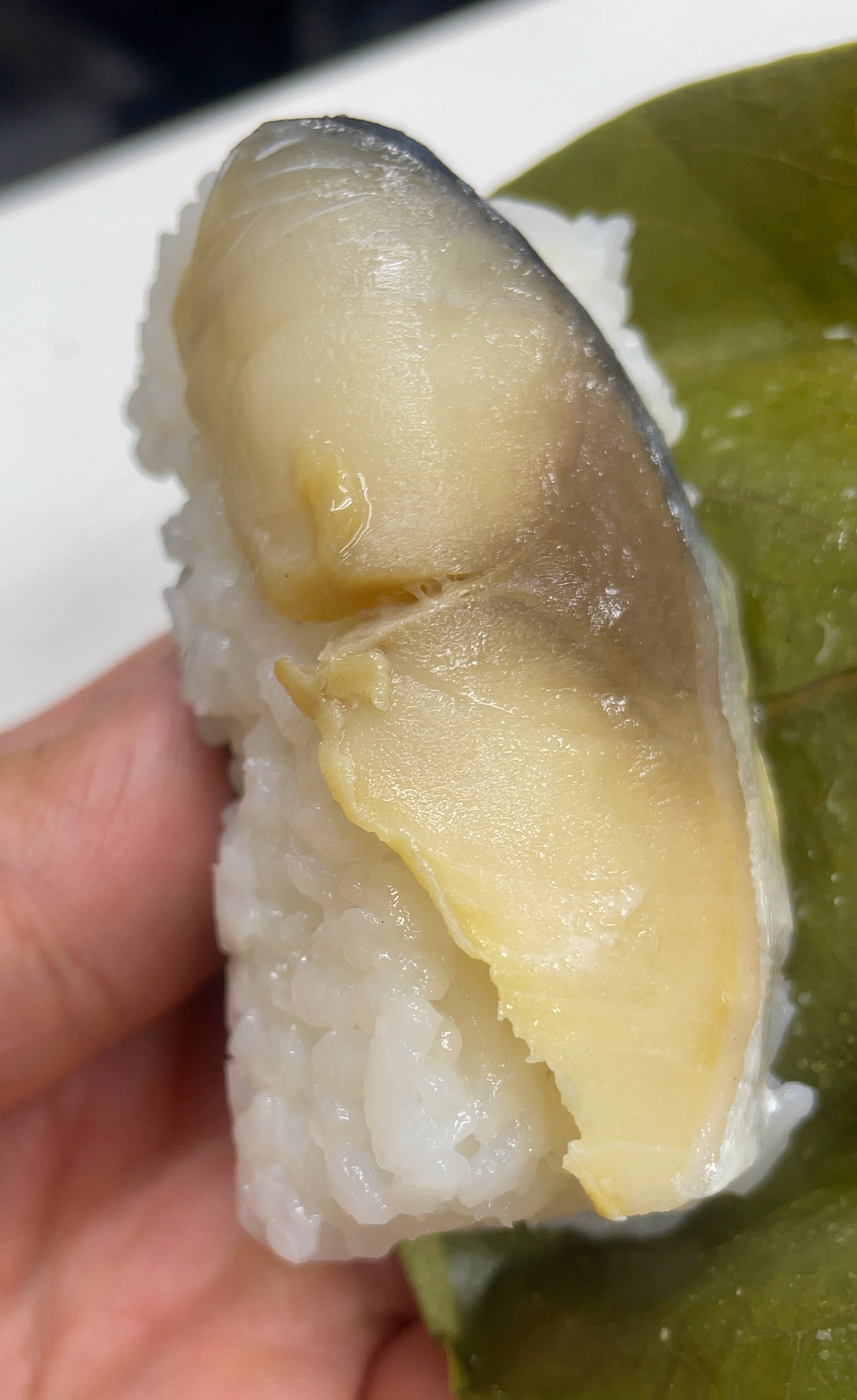
Kakinoha-zushi
Locally knownKakinoha-zushi (柿の葉寿司) is Nara's signature pressed sushi: vinegared rice topped with mackerel, salmon, or sea bream, wra…
More in Wakayama
 663highland / CC BY 2.5
Engetsu Island
Little knownEngetsu Island (円月島, 'full moon island') is a small uninhabited island in Shirahama Bay, famous for its natural rock arc…
 Nekosuki / CC BY-SA 4.0
Kumano Nachi Taisha Fire Festival
Little knownThe Nachi-no-Hi Matsuri (那智の火祭り, Nachi Fire Festival), held annually on July 14th, is one of Japan's three great fire fe…