
Shojin Ryori
Researched and written by Hinato

Photo: Jpatokal / Wikimedia Commons (CC BY-SA 4.0) · original
Shojin ryori is what Buddhist monks eat: no meat, no fish, no eggs, no onions or garlic (they're thought to stir up desires). What's left is seasonal vegetables, tofu, seaweed, mountain greens, rice, and miso, all prepared with technique refined over centuries. It's not bland if it's done right—Koyasan temples use kombu dashi for umami, fermented miso for depth, and sesame ground so fine it becomes creamy. A temple dinner arrives as 8-10 small dishes on lacquerware trays: goma dofu (sesame tofu, Koyasan's specialty, made from sesame paste and kudzu starch, silky and rich), tempura vegetables, simmered yuba (tofu skin), miso soup, pickled mountain vegetables, rice, fruit. Each dish is chosen for season, color, and balance—five colors, five flavors, five cooking methods, all Buddhist principles turned into food. Breakfast is simpler: rice porridge, grilled vegetables, natto, miso soup, pickles. You eat in silence or near-silence, either in your room or a communal hall, and the meal becomes part of the temple's meditation practice. It's food designed to nourish without exciting, to sustain without indulging, and it tastes better than it sounds if you let go of expecting meat.
The philosophy behind shojin ryori extends beyond the ingredients themselves to the entire process of preparation, which Zen and Shingon traditions treat as a form of meditation in its own right — chopping vegetables with full attention, wasting nothing, and preparing only what will be eaten are considered as spiritually significant as the eating itself. Temple kitchens on Koyasan typically operate on a rotation of monks and trainees who prepare meals for both resident clergy and overnight guests, meaning the same kitchen that produces a formal shojin ryori dinner for visitors is also feeding the monastic community using largely the same techniques and ingredients. Seasonal produce sourced from the surrounding mountains and nearby valleys shapes the menu throughout the year, so a stay in spring might feature bamboo shoots and wild mountain vegetables foraged nearby, while autumn brings mushrooms, chestnuts, and root vegetables prepared in warming simmered dishes. Because the cuisine developed within a monastic economy that valued restraint, presentation tends to favor simple, precise plating over elaborate garnish, letting the natural colors of vegetables and the texture of tofu speak for themselves. Guests who stay overnight often find that the unhurried pace of temple meals — eaten in near silence, without phones or conversation — becomes as memorable as the food itself.
Practical details
Opening Hours
Temple dinner: 6:00 PM (served in room or communal hall) | Temple breakfast: 7:30 AM | Hanabishi restaurant: 12:00–2:00 PM (daytime shojin ryori lunch)
Closed: Temple meals: only available with overnight stay | Hanabishi: check weekly closure | New Year period may vary
Entrance Fee
Included in temple lodging ¥10,000–15,000/person (2 meals) | Hanabishi daytime lunch: ¥3,000–5,000 | Reservation required for all
Best Season
Year-round — shojin ryori changes seasonally | Winter menu features root vegetables and warming preparations | Spring features mountain greens and bamboo shoots
Visit Duration
45 minutes per meal (dinner or breakfast) | Full experience requires 1-night stay
Getting There
Access Information
Shojin ryori is included in Koyasan temple lodging (shukubo) rates (¥10,000-15,000 per person with two meals). Advance reservation required (1-2 months ahead) via Koyasan Tourism Association. Dinner served 18:00, breakfast 7:30. Day visitors cannot eat in temple dining halls (overnight stay required). Alternative: Hanabishi (花菱) restaurant in Koyasan town offers daytime shojin ryori lunch (¥3,000-5,000, 12:00-14:00, reservation recommended).
Detailed Access & Timing
Nearest Station
Koyasan Station (Nankai Koya Line) — bus 10 min to temple lodging in town center
Travel Time
From Osaka Namba: 90 min by Nankai Koya Line + cable car | From Kyoto: 2 hrs | From Tokyo: 3.5 hrs Shinkansen to Shin-Osaka + Nankai Koya Line
How to Get There
Train: Nankai Koya Line limited express from Osaka Namba to Gokurakubashi (80 min, ¥1,430), then Nankai Cable Car (5 min, ¥410), then town bus.
Bus (budget option): Nankai Highway Bus from Osaka Namba to Koyasan directly (¥1,780, 2 hrs, fewer services).
Car: Drive to Gokurakubashi parking (free) then cable car — car access to town center itself is difficult.
Best Time to Visit
Arrive by 3:00 PM to settle before dinner at 6:00 PM. Wake at 5:45 AM for 6:00 AM morning prayer (optional but highly recommended — chanting and incense in the pre-dawn dark).
Crowd Avoidance Tips
Koyasan temple lodging fills quickly for spring (April–May) and autumn (October–November) — book 1–2 months ahead. Weekday winter stays are quietest and cheapest (rates sometimes 20% lower than peak). Over 50 temples offer shukubo; Eko-in is most foreigner-friendly with English service.
Parking Information
See [[koyasan-temple-town]] parking info — same mountain complex. Use Gokurakubashi lot and cable car. Temple lodging guests can arrange parking; ask at booking.
Tips
How temple meals work: Shoes off at the threshold, sit seiza (kneeling) or cross-legged on cushions. Before eating, there's often a short grace (you don't have to say it, just stay quiet). Use chopsticks, finish everything on your plate (wasting food is disrespectful to the ingredients and the labor), and keep conversation low. Meals take 30-45 minutes. You can photograph the food if you ask first, but don't be loud or casual—it's part of the temple's practice, not a restaurant experience.
Goma dofu is the star: The result is creamy, custard-textured, nutty, and rich. They serve it with wasabi and soy sauce or sweet miso. You can't really find this outside Koyasan—it's the mountain's signature dish. Fresh-made goma dofu (some temples make it daily) is noticeably better than pre-made; the texture is silkier, the flavor cleaner. Ask if it was made in-house.
Vegan? Mostly yes: But some temples use bonito flakes in the dashi (fish-based stock). If you're strict vegan, ask when booking; most Koyasan temples use kombu-only dashi. Gluten-free is harder because soy sauce and wheat show up everywhere. Mention serious allergies when you book. Also, the portions are small by Western standards—monks eat to sustain, not to be full. You might be hungry by bedtime. That's intentional; it's part of the discipline.
Book Your Stay Nearby
Find accommodation close to Shojin Ryori on these trusted booking platforms:
Nearby Spots
The closest hidden gems to Shojin Ryori, by straight-line distance.
 Nankou Oronain (as36… / CC BY-SA 3.0
Kongobu-ji Temple
Locally knownKongobu-ji (金剛峯寺) is the head temple of Shingon Buddhism and the administrative center of Koyasan's 117 temples, founded…
 Uo3rt / CC BY-SA 4.0
Yoshino Kuzu Mochi
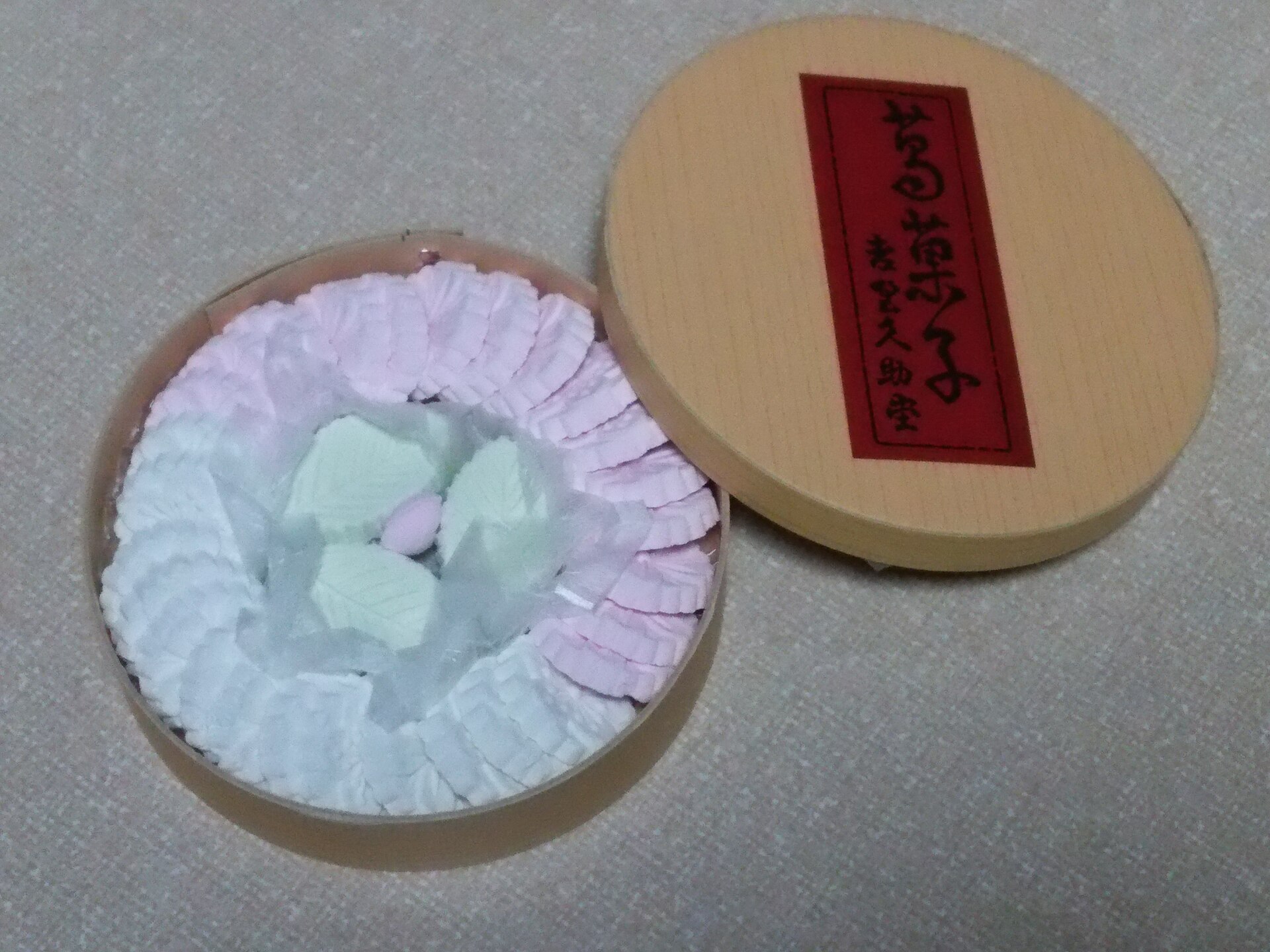
Little knownYoshino is Japan's premier producer of kuzu (葛, arrowroot starch), a plant-based starch extracted from kudzu vine roots…
 Yoshio Kohara / CC BY 3.0
Wakayama Castle
Little knownWakayama Castle (和歌山城) is a hilltop fortress built in 1585 by Toyotomi Hideyoshi's brother, later ruled by the powerful…
 Xappyu / CC BY-SA 4.0
Yuasa Soy Sauce Town
Little knownYuasa (湯浅) is a small coastal town credited as the birthplace of Japanese soy sauce (shoyu, 醤油), where Buddhist monks in…
 Nekosuki / CC BY-SA 4.0
Kumano Hongu Taisha
Little knownKumano Hongu Taisha (熊野本宮大社) is the head shrine of the Kumano Sanzan (Three Grand Shrines) and spiritual terminus of the…
 Kyu3a / CC BY-SA 4.0
Kakinoha-zushi
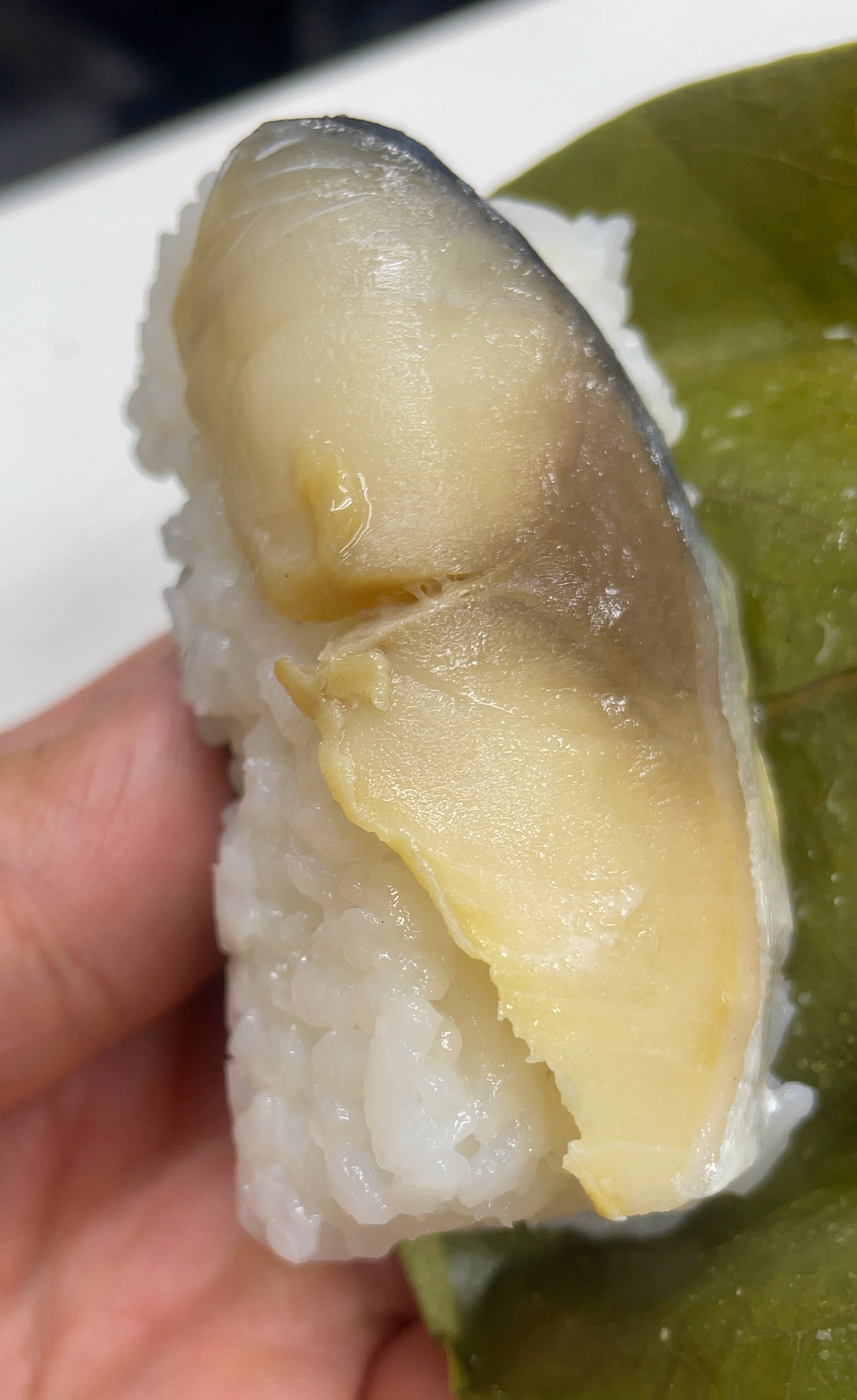
Locally knownKakinoha-zushi (柿の葉寿司) is Nara's signature pressed sushi: vinegared rice topped with mackerel, salmon, or sea bream, wra…
More in Wakayama
 663highland / CC BY 2.5
Engetsu Island
Little knownEngetsu Island (円月島, 'full moon island') is a small uninhabited island in Shirahama Bay, famous for its natural rock arc…
 Nekosuki / CC BY-SA 4.0
Kumano Nachi Taisha Fire Festival
Little knownThe Nachi-no-Hi Matsuri (那智の火祭り, Nachi Fire Festival), held annually on July 14th, is one of Japan's three great fire fe…