
Kochi · Kochi City
33.5447°N, 133.5631°E
The Makino Botanical Garden, perched on a hillside in western Kochi, is dedicated to Tomitaro Makino (1862–1957), the 'father of Japanese botany' who named over 1,500 plant species and spent his life cataloging Japan's flora. The 8-hectare garden contains over 3,000 species arranged in thematic sections: a wild meadow, a bamboo grove, a medicinal herb garden, an alpine rockery, and a traditional Tosa garden with ponds and stone lanterns.
The garden's design is naturalistic rather than formal — plants are allowed to intermingle and seed freely, creating a sense of walking through the Shikoku mountains. The greenhouse conservatory showcases tropical and subtropical species, including many that Makino collected personally. Spring brings cherry blossoms and azaleas; autumn delivers camellias and maple foliage. The garden also offers panoramic views over Kochi City and the Tosa Bay.
Essential Information
Opening Hours
Daily 9:00 AM – 5:00 PM (last entry 4:30 PM). On-site restaurant: 11:00 AM – 3:00 PM. The garden is fully outdoors; the greenhouse is open same hours.
Closed: Open every day of the year. No regular closure days. The garden remains open during light rain (bring umbrella); the greenhouse offers shelter.
Entrance Fee
¥730 adults, ¥430 university students, ¥200 high school students, free for middle school and younger. Combined ticket with Chikurin-ji Temple ¥1,000. Makino Cafe and museum shop accessible without garden ticket.
Best Season
Late March–early April for cherry blossoms (15+ varieties). Late April–May for azaleas and wisteria. October–November for maple foliage and late-blooming sasanqua camellias. The garden is beautiful in every season.
Visit Duration
Complete garden circuit: 2–2.5 hours. Photography enthusiasts with greenhouse: 3 hours. Combined with Chikurin-ji Temple (10-min walk): 3.5–4 hours total.
Getting There
Access Information
Insider Guide
Nearby Spots
The closest hidden gems to Makino Botanical Garden, by straight-line distance.
Yatai Yasube
Kochi has a street-stall drinking culture that has largely disappeared from the rest of Japan, and its emblem is gyoza.…
 Illustration — not a photograph
Katsuo no Tataki
Katsuo no tataki is the soul of Kochi cuisine — fresh skipjack tuna (bonito) seared over roaring straw flames for 20 sec…

Hirome Market
Hirome Market is not a market in the conventional sense — it is a 7,000-square-meter indoor drinking and eating hall whe…
Yosakoi Festival
The Yosakoi Matsuri, held every August 9–12 in Kochi City, is one of Japan's most energetic and visually spectacular fes…
Nichiyoichi Sunday Market
Every Sunday since 1690, the Nichiyoichi Sunday Market unfolds along a 1.3-kilometer stretch of Otesuji Street in centra…

Kochi Castle
Kochi Castle is one of only twelve surviving original castles in Japan — meaning its tenshu (main keep) dates to the Edo…
More in Kochi
Kure Taishomachi Market
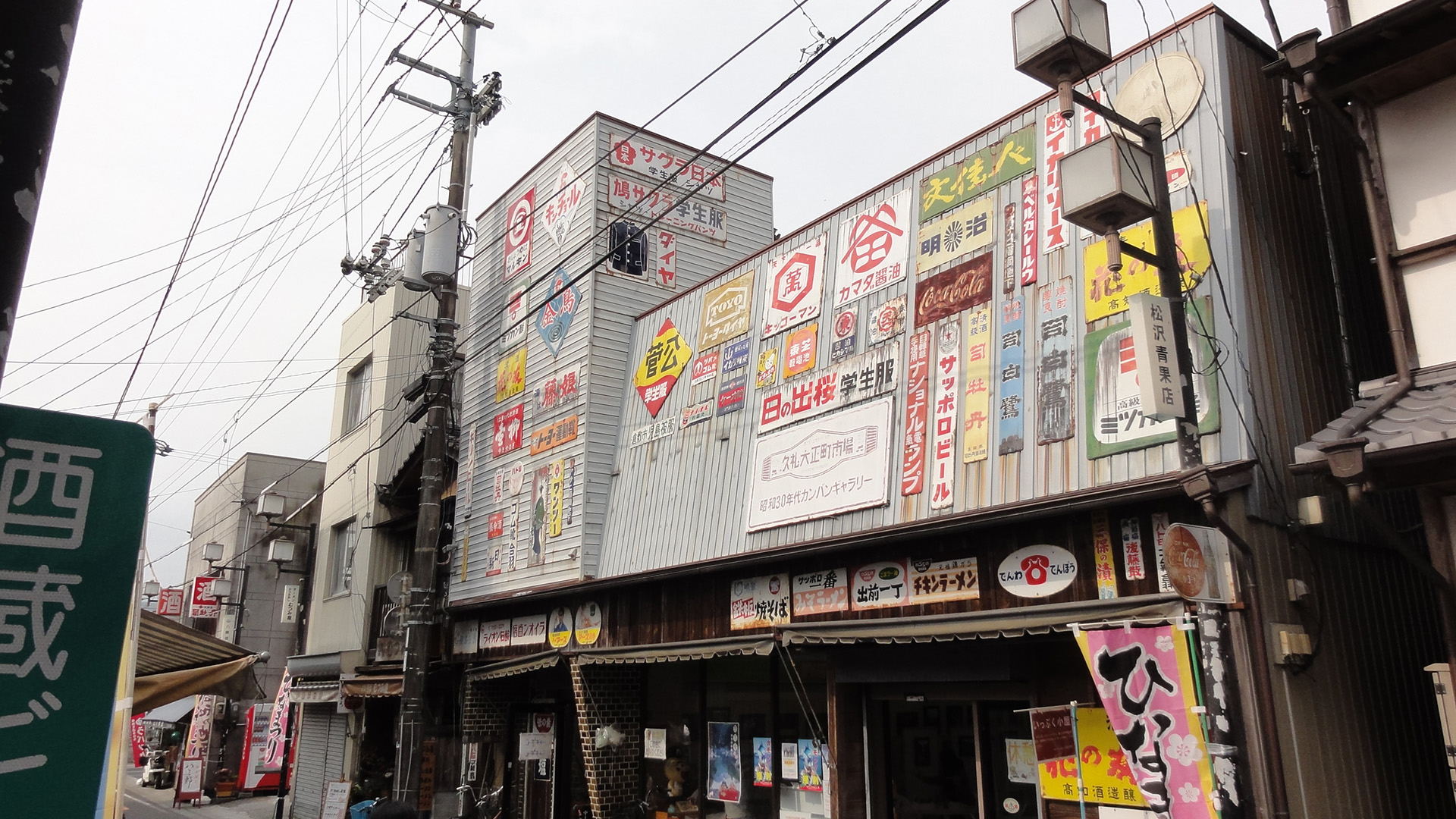
Kure is a bonito port and this market, a covered lane a hundred metres long a couple of minutes from the harbour, is whe…
Ekingura
Hirose Kinzo, known as Ekin, was a Tosa painter of the late Edo period who lost his position after an accusation of forg…
Umaji Village
Umaji has about a thousand people, is ninety-six per cent forest, and is one of the best-known village brands in Japan.…