
Yuasa Soy Sauce Town
Researched and written by Hinato
Photo: Xappyu / Wikimedia Commons (CC BY-SA 4.0) · original
Yuasa (湯浅) is a small coastal town credited as the birthplace of Japanese soy sauce (shoyu, 醤油), where Buddhist monks in the 13th century accidentally discovered soy sauce while making kinzanji miso paste. The town's preserved Edo-period townscape features whitewashed storehouses, narrow lanes, and traditional machiya merchant houses, many still operating as family-run soy sauce breweries using centuries-old wooden fermentation barrels.
The brewing process takes 1-2 years in massive cedar barrels (some over 150 years old), and the resulting soy sauce is darker, richer, and more complex than mass-produced brands. The town also produces kinzanji miso, yuzu citrus products, and shirasu (whitebait) from local fishing. Yuasa's historic preservation zone is compact (walkable in 30-40 minutes) and retains an authentic merchant-town atmosphere without heavy tourism development. The town's importance to Japanese cuisine is profound — soy sauce is fundamental to nearly every Japanese dish, from sushi to ramen to simmered vegetables, and Yuasa's brewing traditions influenced the entire industry.
Yuasa's status as the origin point of Japanese soy sauce is tied to its broader role in the coastal trade networks of the Kii Peninsula, where the same port that shipped fermented products also connected the town to Kyoto and other major markets, allowing the technique to spread outward over subsequent centuries and eventually evolve into today's national soy sauce industry. The town's preserved district reflects the prosperity that this trade brought — merchant houses built with fire-resistant plaster walls and heavy tile roofs, features that distinguished successful brewing families from more modest fishing households nearby. Walking through Yuasa today, the fermented aroma drifting from working breweries is a constant reminder that this is not a recreated historical theme town but a place where the original industry, scaled down from its peak but still intact, continues largely unchanged in method. Some of the breweries still in operation trace their lineage back many generations within the same family, and their willingness to open fermentation warehouses to visitors — rather than treating the process as a trade secret — reflects a regional pride in Yuasa's place at the root of a condiment now used in kitchens worldwide. The compact scale of the historic district makes it easy to combine a soy sauce brewery visit with a stroll past the harbor, where the fishing fleet that once fed Yuasa's early residents is still active today.
Practical details
Opening Hours
Kadocho brewery: 9:00 AM – 5:00 PM | Historic town streets: open 24/7
Closed: Some breweries closed Sundays or on irregular days; confirm in advance
Entrance Fee
Brewery tours: Free | Artisan soy sauce: ¥800–2,000 per bottle (sold on-site)
Best Season
Year-round; spring and autumn for pleasant street walking; the fermentation aroma is present all year
Visit Duration
30–40 minutes for historic town walk; 1–1.5 hours with brewery tour and artisan soy sauce tasting
Getting There
Access Information
Access: JR Yuasa Station. Yuasa Soy Sauce Brewery tours: free, English pamphlets available, shop sells artisanal soy sauce (¥800-2,000 per bottle). Town walking: 30-40 min loop through historic district. Best combined with Yuasa Fishing Port for fresh shirasu rice bowls (¥1,000-1,500).
Tips
Brewery tour insights: Yuasa Soy Sauce's tour (15-20 min, self-guided with pamphlets) takes visitors through the fermentation warehouse where 100+ cedar barrels (1-2 meters tall) store aging moromi. The earthy, fermented aroma is intense — visceral connection to the product's creation. The brewing process: soybeans and roasted wheat are mixed with koji mold, salt, and water, then fermented 12-24 months. The liquid is pressed from the mash and bottled. Taste samples are offered at the shop — compare light vs. Dark soy sauce, noting flavor complexity.
Artisan soy sauce buying: Yuasa's premium soy sauce (¥1,500-2,000 per 500ml bottle) is significantly more expensive than supermarket brands (¥300) but the difference is dramatic — deeper umami, no chemical additives, natural fermentation. Buy the 'koikuchi' (濃口, dark soy) for all-purpose use, or 'usukuchi' (薄口, light but saltier) for delicate dishes. The bottles make excellent souvenirs (12-month shelf life unopened). Some shops offer international shipping (expensive but possible).
Town exploration: Beyond the main breweries, explore the narrow back alleys where whitewashed storehouses (kura, 蔵) still store fermenting barrels. The architecture reflects Edo-period fire prevention (thick walls, tile roofs).
Book Your Stay Nearby
Find accommodation close to Yuasa Soy Sauce Town on these trusted booking platforms:
Nearby Spots
The closest hidden gems to Yuasa Soy Sauce Town, by straight-line distance.
 Yoshio Kohara / CC BY 3.0
Wakayama Castle
Little knownWakayama Castle (和歌山城) is a hilltop fortress built in 1585 by Toyotomi Hideyoshi's brother, later ruled by the powerful…
 663highland / CC BY 2.5
Engetsu Island
Little knownEngetsu Island (円月島, 'full moon island') is a small uninhabited island in Shirahama Bay, famous for its natural rock arc…
 Jpatokal / CC BY-SA 4.0
Shojin Ryori
Locally knownShojin ryori is what Buddhist monks eat: no meat, no fish, no eggs, no onions or garlic (they're thought to stir up desi…
 Nankou Oronain (as36… / CC BY-SA 3.0
Kongobu-ji Temple
Locally knownKongobu-ji (金剛峯寺) is the head temple of Shingon Buddhism and the administrative center of Koyasan's 117 temples, founded…
 Nekosuki / CC BY-SA 4.0
Kumano Hongu Taisha
Little knownKumano Hongu Taisha (熊野本宮大社) is the head shrine of the Kumano Sanzan (Three Grand Shrines) and spiritual terminus of the…
 Uo3rt / CC BY-SA 4.0
Yoshino Kuzu Mochi
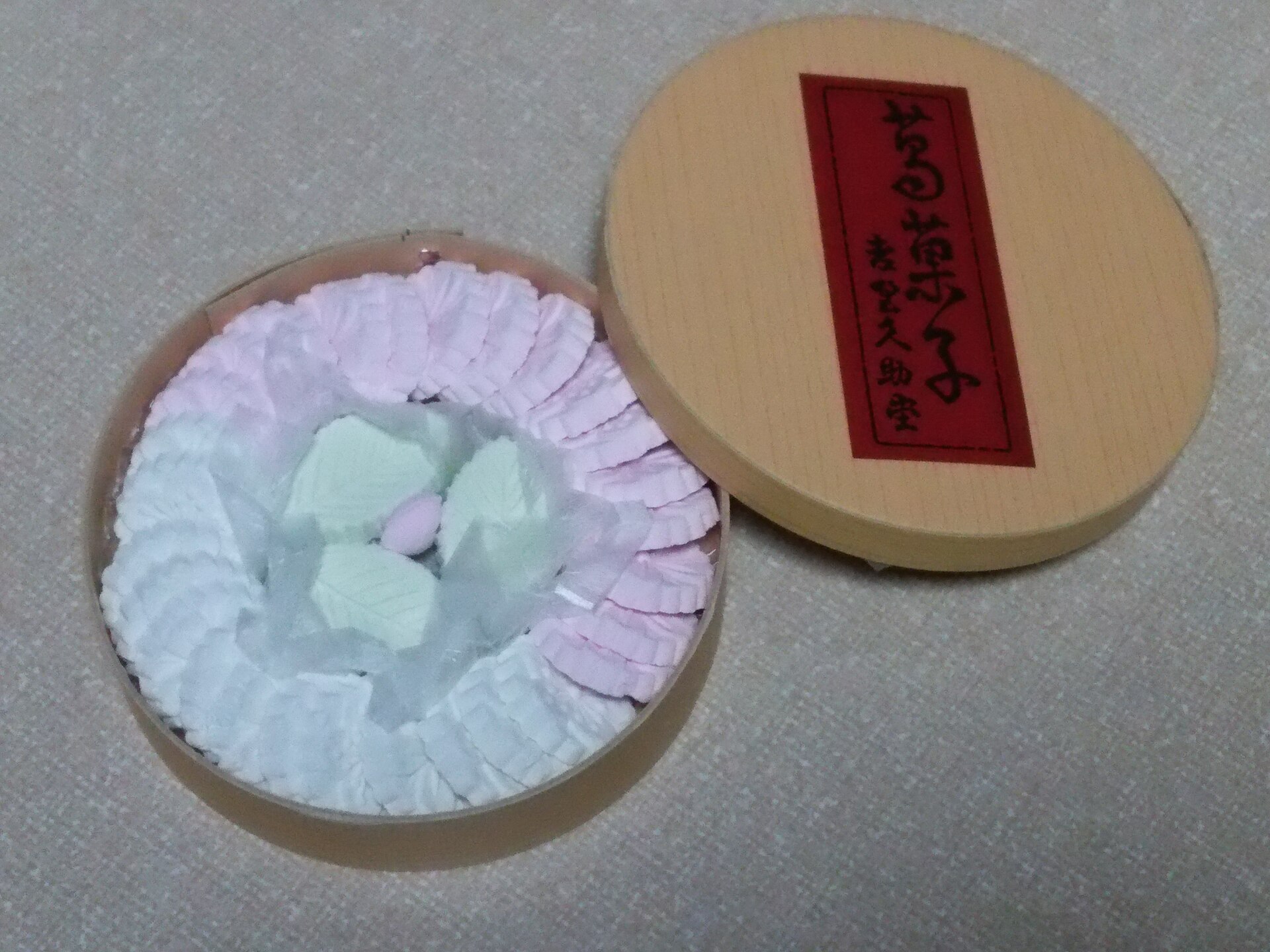
Little knownYoshino is Japan's premier producer of kuzu (葛, arrowroot starch), a plant-based starch extracted from kudzu vine roots…
