
หน้านี้ยังไม่ได้แปล จึงแสดงเป็นภาษาอังกฤษ
Naruko Onsen Hot Spring Town
ค้นคว้าและเขียนโดย Hinato

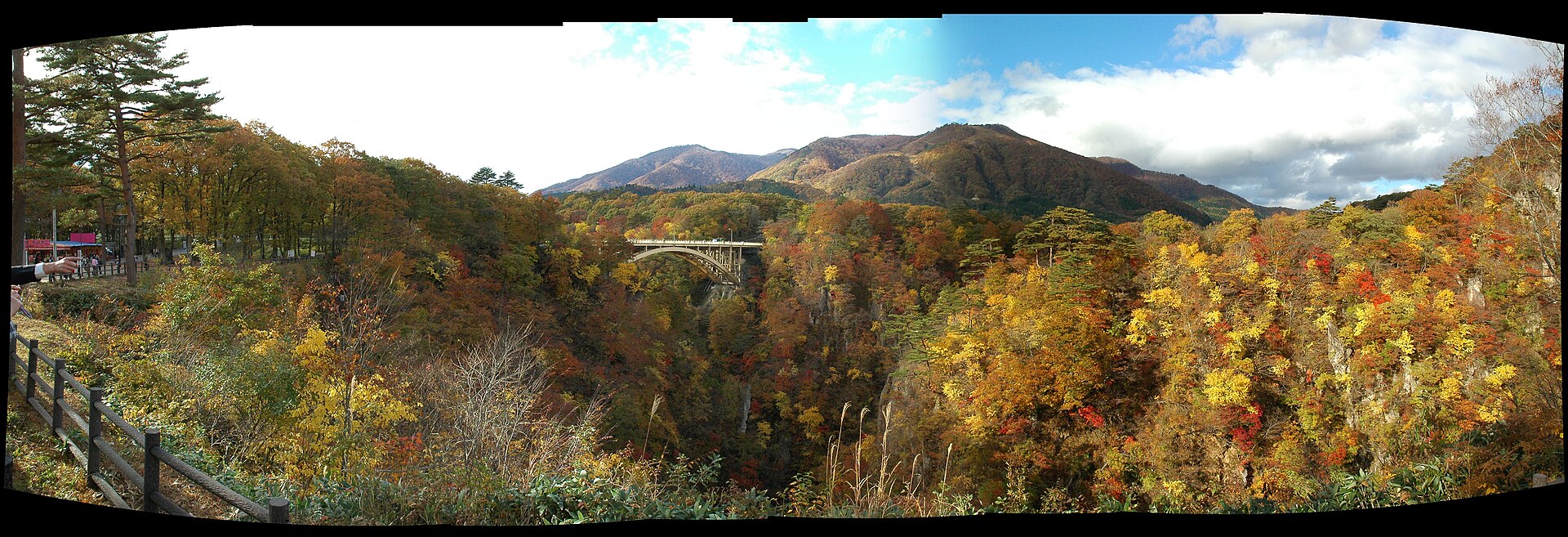
Naruko Onsen has soothed travelers for over 1,000 years, a mountain hot spring town nestled in a volcanic valley where five different mineral spring types emerge from the earth, creating remarkable therapeutic variety rare even in spring-rich Japan. The town's name translates to 'crying child hot spring,' derived from a legend that the area's first hot spring erupted with a sound like a crying baby. Today, Naruko comprises five distinct onsen districts, each with unique water chemistry and characteristics. The sulfur-rich springs produce distinctive white or blue-tinged water that treats skin conditions, while the iron springs offer reddish-brown water beneficial for anemia and fatigue. Sodium chloride springs aid circulation, while sodium bicarbonate springs feel silky and beautifying to skin. This diversity allows visitors to experience multiple spring types within a single stay, with many ryokan offering access to multiple bathhouses. Beyond its therapeutic waters, Naruko is equally famous as the birthplace of kokeshi dolls, the traditional handcrafted wooden dolls with distinctive cylindrical bodies and round heads. Local artisans continue centuries-old techniques, carving dolls from dogwood or cherry wood and painting them with simple, elegant designs featuring red and black traditional patterns. Dozens of kokeshi workshops and museums throughout town offer demonstrations and sales, making Naruko Japan's kokeshi capital. The surrounding mountains provide stunning natural beauty, particularly during autumn when the narrow gorge walls explode in fiery foliage colors.
The town's dual identity as both a therapeutic hot spring destination and a craft center isn't a coincidence — kokeshi dolls were originally produced by onsen-town woodworkers as inexpensive souvenirs for bathing visitors, using offcuts from the same dogwood and cherry timber available in the surrounding mountains, and Naruko's unusually large concentration of natural spring variety gave it more visitors, and therefore more demand for the craft, than most rival kokeshi-producing towns. Each of Japan's kokeshi-producing regions developed its own recognizable style over generations, distinguished by subtly different head shapes, proportions, and painted patterns, and Naruko's tradition is considered one of the most technically refined lineages, in part because local artisans developed a distinctive squeaking sound when the doll's head is twisted, achieved through a specific joinery method passed down within individual workshop families rather than published as a general technique.
ข้อมูลสำคัญ
เวลาเปิดทำการ
Day-use bathing at most ryokan: 11:00 AM – 3:00 PM (times vary) | Taki no Yu public bathhouse: 7:30 AM – 9:00 PM (hours vary) | Town accessible year-round
วันหยุด: No town-wide closure; individual ryokan may have set days off
ค่าเข้าชม
Day-use bathing ¥500–1,000 per ryokan; overnight from ¥10,000/person with meals; Taki no Yu public bathhouse ¥300
ฤดูที่ดีที่สุด
Autumn (late October–mid-November) for gorge foliage; winter for snow bathing experience; Naruko Kokeshi Festival in autumn
ระยะเวลาเที่ยวชม
Half-day for day-use bathing and town walk; overnight stay recommended for full onsen and kokeshi craft experience
การเดินทางไป
ข้อมูลการเดินทาง
คู่มือจากคนใน
จองที่พักใกล้เคียง
ค้นหาที่พักใกล้ Naruko Onsen Hot Spring Town บนแพลตฟอร์มจองที่เชื่อถือได้เหล่านี้:
สถานที่ใกล้เคียง
สถานที่ลับที่อยู่ใกล้ Naruko Onsen Hot Spring Town มากที่สุด เรียงตามระยะทางเส้นตรง
Katanuma
Little knownKatanuma is a crater lake above Naruko Onsen and one of the most acidic lakes in Japan — acidic enough that nothing live…
 Own work / CC BY-SA 3.0
Narukokyo Gorge
Little knownThe Otani river has cut a gorge about a hundred metres deep through the volcanic rock west of Naruko Onsen, and the side…
 さかおり / CC BY-SA 4.0
Ginzan Onsen
FamousGinzan Onsen is 300 meters of Taisho-period (1912-1926) wooden ryokan squeezed into a mountain valley, three and four st…
 Σ64 / CC BY-SA 3.0
Izunuma and Uchinuma
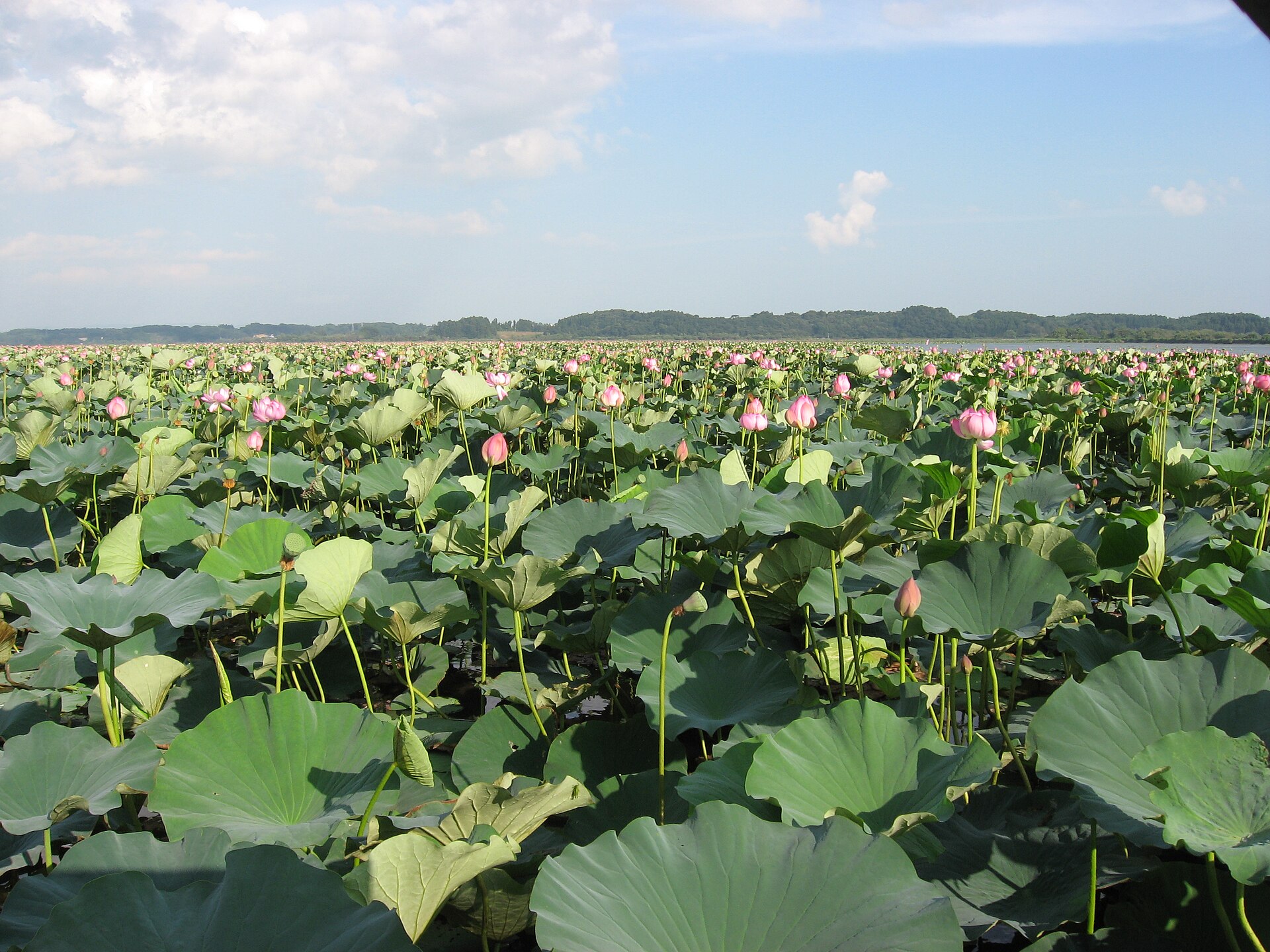
Little knownIzunuma and Uchinuma are shallow lowland marshes covering about four square kilometres on the Semboku plain, and because…
 663highland / CC BY-SA 4.0
Genbikei Gorge
Little knownGenbikei Gorge is a 2km rocky gorge carved by the Iwai River, featuring dramatic boulder formations, rapids, and the fam…
 ภาพประกอบ (ไม่ใช่ภาพถ่าย)
Aburafu Don
Little knownAburafu is a stick of wheat gluten that has been fried in oil rather than baked, a Toyoma speciality made here since the…
สถานที่อื่น ๆ ในจังหวัดมิยางิ
 Σ64 / CC BY 4.0
Zunda Mochi
Locally knownZunda mochi represents Sendai and Miyagi Prefecture's most distinctive sweet, a beloved confection where mochi rice cake…
Michinoku Coastal Trail
Locally knownThe Michinoku Coastal Trail stretches over 1,000 kilometers along the Pacific coast from Aomori Prefecture through Iwate…
 Yasu ( talk ) / CC BY-SA 3.0
Kesennuma Earthquake Memorial Museum
Little knownKesennuma Koyo High School stood on the shore at Hashikami. On 11 March 2011 a tsunami of more than thirteen metres went…