
本页尚未翻译,暂以英文显示。
Wajima Lacquerware
调查与撰写 Hinato

Photo: Asturio Cantabrio / Wikimedia Commons (CC BY-SA 4.0) · original
Wajima lacquerware (輪島塗, Wajima-nuri) is Japan's finest lacquerware tradition, practiced for over 1,000 years on the Noto Peninsula. Wajima-nuri is distinguished by its labor-intensive process requiring 20–30 steps over 3–6 months: a wooden base (typically zelkova or cypress) is coated with layers of lacquer (urushi, natural tree sap) mixed with diatomaceous earth powder (jinoko, 地の粉, mined locally), creating exceptional durability. Between each lacquer layer, artisans sand the surface smooth, then apply decorative techniques — maki-e (gold or silver powder), raden (mother-of-pearl inlay), or chinkin (incised gold leaf).
The result is functional art — rice bowls, chopsticks, trays, and ceremonial vessels that withstand daily use for generations while developing deeper luster over time (lacquer improves with age and use). Wajima-nuri is designated a National Traditional Craft. The Wajima Lacquerware Museum (輪島塗会館, Wajima Nuri Kaikan) exhibits masterpieces from different eras, demonstrates production techniques, and sells contemporary works. Workshops throughout Wajima's town center offer tours where you can observe artisans applying lacquer in humidity-controlled rooms (lacquer requires 80%+ humidity to cure properly — Wajima's coastal climate provides ideal conditions).
基本信息
营业时间
Wajima Lacquerware Museum closed since the January 2024 earthquake, no confirmed reopening date — confirm before visiting. Workshops 9:00 AM – 4:00 PM where operating.
公休: Museum closed indefinitely post-earthquake. Workshop availability varies — confirm ahead.
门票
Museum status uncertain post-earthquake — confirm before visiting. Workshop tours free where operating. Lacquerware items ¥3,000–300,000+.
最佳季节
Year-round; combine with Wajima Morning Market (morning) and museum/workshop (afternoon) for a full Wajima day
建议停留
1–1.5 hours for museum; add 30 minutes for workshop observation
如何前往
交通信息
独家私藏情报
邻近景点
距离Wajima Lacquerware最近的私藏景点,按直线距离排序。
 Asturio Cantabrio / CC BY-SA 4.0
Wajima Morning Market
Little knownWajima Morning Market (輪島朝市, Wajima Asaichi) is one of Japan's three great morning markets (alongside Takayama and Katsu…
 Asturio Cantabrio / CC BY-SA 4.0
Senmaida Rice Terraces
Well knownShiroyone Senmaida (白米千枚田, 'White Rice Thousand Terraces') is a UNESCO World Heritage site comprising 1,004 small rice p…
 Totti / CC BY-SA 4.0
Notojima Aquarium
Little knownNotojima Aquarium (のとじま水族館) is located on Notojima Island in Nanao Bay, showcasing the marine life of the Sea of Japan a…
Noto Peninsula Coastal Drive
Little knownThe Noto Peninsula (能登半島) extends 100km into the Sea of Japan, offering dramatic coastal scenery, traditional fishing vi…
 comachiangel / CC BY 3.0
Wakura Onsen
Little knownWakura Onsen (和倉温泉) is a luxury hot spring resort town on Nanao Bay's western shore, established over 1,200 years ago wh…
 photo: Qurren ( talk ) Taken with Canon IXY 430F (Digital IXUS 245 HS) / CC BY-SA 3.0
Mitsukejima Rock
Little knownMitsukejima (見付島, 'Found Island') is a rock island rising from the shallow waters off Suzu's eastern coast, connected to…
更多石川县的景点
 Yuichi Itoda / CC BY-SA 4.0
Natadera Temple
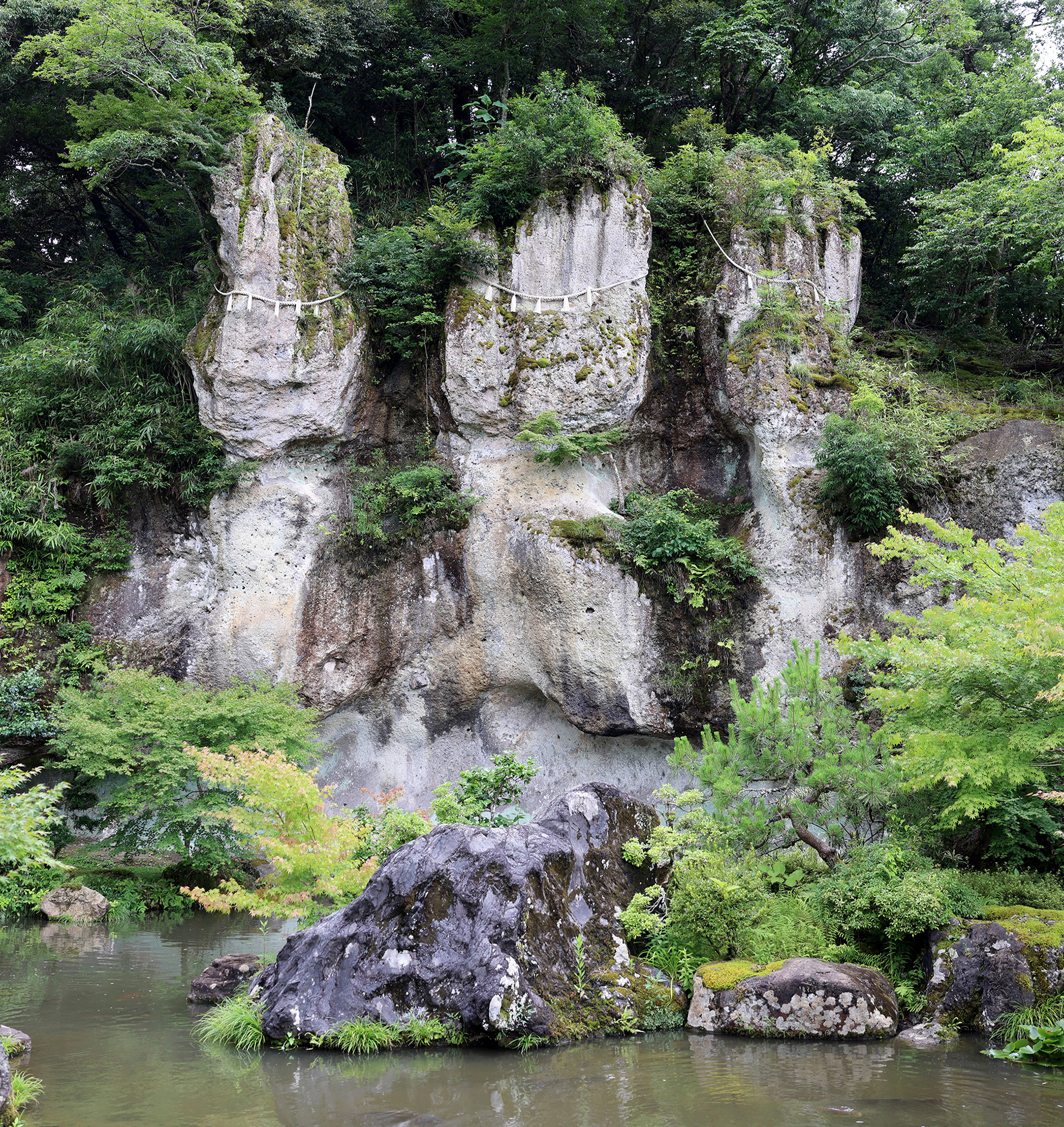
Little knownNatadera Temple (那谷寺) is an ancient mountain temple founded in 717 AD, renowned for its dramatic natural setting among m…
 Ludger Heide / CC BY-SA 2.0
Kenrokuen Garden
FamousKenrokuen (兼六園, 'Garden of Six Sublimities') is one of Japan's Three Great Gardens alongside Kairakuen in Mitsukura and…
 ajari from Japan / CC BY 2.0
21st Century Museum of Contemporary Art
Well knownThe 21st Century Museum of Contemporary Art (金沢21世紀美術館) is a revolutionary circular museum building designed by architec…