
本頁尚未翻譯,暫以英文顯示。
Kashima Jingu
調查與撰寫 Hinato
茨城縣 · Kashima
35.9688°N, 140.6315°E
Kashima Jingu enshrines Takemikazuchi, the thunder and sword deity who in the myths subdues the land and, in later belief, pins down the catfish whose thrashing causes earthquakes. It is one of the oldest shrines in eastern Japan, it gave the language the phrase kashima-dachi for setting out on a journey, and it holds a seventh-century straight sword that is a National Treasure.
What carries the visit is the ground itself. Behind the main hall a wide gravel path runs for several hundred metres under enormous cedars to an inner shrine, and off it lie the Kaname-ishi — a small exposed stone said to be the tip of a pillar driven into the earth to hold the catfish down — and the Mitarashi Pond, where roughly four hundred thousand litres of spring water rise each day into a pool clear enough to see the bottom of. It takes two hours to do properly and most visitors give it forty minutes.
Kashima Jingu's rank as one of only three shrines historically permitted to use the title jingu rather than the more common taisha or jinja (alongside Ise and Katori) reflects its unusually close ties to the imperial court and, later, to the samurai class, who venerated Takemikazuchi as a martial deity and patron of swordsmanship — several historically significant schools of Japanese swordsmanship trace their lineage back to teachings said to have originated at this shrine. That martial association sits alongside the older, folkloric layer of the catfish myth, which was less an abstract belief than a genuine framework people used to make sense of earthquakes in a seismically active country, and the Kaname-ishi stone is still visited today by people who take the earthquake-suppression tradition seriously rather than treating it purely as legend. The cedar avenue leading to the inner shrine is old-growth forest rather than planted landscaping, and the shrine's substantial landholdings historically kept loggers out of it, which is part of why the trees have been able to reach the scale they have.
基本資訊
營業時間
Grounds open during daylight hours | Treasure hall keeps its own hours
公休: Open year-round
門票
Free | Treasure hall and certain areas charged separately | Parking ¥300–500 per day at the main lots
最佳季節
Year-round | Early morning for mist under the cedar avenue
建議停留
1.5–2.5 hours for the full circuit
如何前往
交通資訊
在地私房情報
鄰近景點
距離Kashima Jingu最近的私房景點,依直線距離排序。
 Σ64 / CC BY 4.0
Ikisu Shrine
Little knownIkisu is the third and least visited of the Toogoku Sanja, the three shrines of the east that Kashima and Katori complet…
 t.kunikuni / CC BY-SA 2.0
Katori Shrine
Little knownKatori Shrine, founded over 2,600 years ago according to shrine records, is one of Japan's three great martial shrines (…
 TANAKA Juuyoh (田中十洋) from Japan / CC BY 2.0
Sawara Historic District
Little knownSawara was a river port that got rich during the Edo period shipping rice and sake to Tokyo, and the merchant houses fro…
 示意插圖(非實景照片)
Narita Dream Farm
Little knownNarita Dream Farm is a 30-hectare agricultural park offering year-round fruit and vegetable picking — strawberries in wi…
 Miyuki Meinaka / CC BY-SA 4.0
Narita Eel Restaurants
Little knownNarita's association with eel (unagi) dates to the Edo period when pilgrims visiting Naritasan Temple required high-prot…
 示意插圖(非實景照片)
Chiba Peanuts
Little knownChiba Prefecture produces 80% of Japan's domestic peanuts, a dominance that began in the Meiji era when sandy coastal so…
更多茨城縣的景點
Seizanso
Little knownTokugawa Mitsukuni is one of the most recognisable figures in Japan — as Mito Komon, the disguised elderly lord of a lon…
 Asturio Cantabrio / CC BY-SA 4.0
Ushiku Chateau
Locally knownKamiya Denbei made his money on Denki Bran, the brandy-based liqueur still served at his bar in Asakusa, and in 1903 he…
 江戸村のとくぞう (Edomura no Tokuzo) / CC BY-SA 4.0
Nakaminato Fish Market
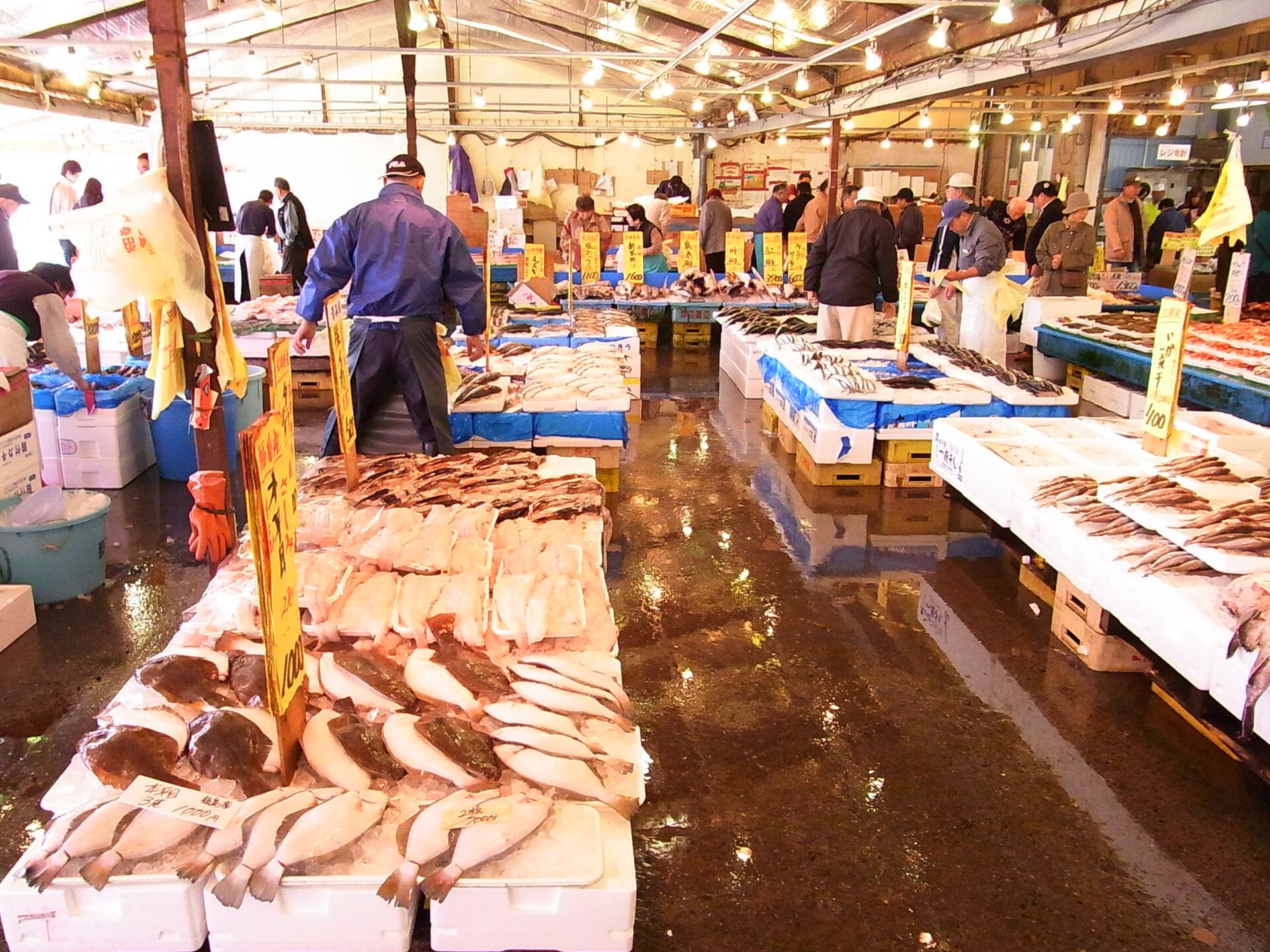
Little knownNakaminato is a working fishing port on the Ibaraki coast and the market beside it is where the boats' catch is sold dir…