
本頁尚未翻譯,暫以英文顯示。
Meharizushi
調查與撰寫 Hinato
和歌山縣 · Shingu
33.7286°N, 135.9883°E
Meharizushi is a ball of rice wrapped in a pickled takana leaf, and it was the working lunch of the Kumano river basin — foresters and raftsmen carried it because it needed no chopsticks, no box and no reheating. The original was about the size of a softball, and the name comes from having to open your eyes as wide as your mouth to get round it.
The leaf is the whole thing: salted takana with a sharpness that carries the plain rice, sometimes with the chopped stem mixed through it. It was purely a home food until 1962, when a shop in Shingu called Mehariya put it on a menu and made it a regional speciality, shrinking it to a size older people and women could manage by wrapping in leaf alone rather than leaf and stem. It is now sold across the Kumano region and is the standard thing to eat on the Kumano Kodo.
The dish belongs to a broader category of Japanese travel food built around portability rather than presentation — like onigiri elsewhere in the country, but shaped by the specific demands of forestry work in steep, wet terrain where hands were often full of tools or rope. Raftsmen who guided timber down the Kumano River historically ate meharizushi standing up or crouched on logs, and the leaf wrapping meant no rice ever touched bare hands or got lost overboard. Because takana pickling is a seasonal household task, families historically made large batches after the spring harvest and preserved the leaves for months, so the rice ball's flavor could vary noticeably depending on how long the leaf had fermented — sharper and more sour later in the year, milder and greener just after harvest. Today most shops standardize the taste, but home versions in Kumano villages still carry that variation, and some elderly residents consider the commercial version comparatively mild. The dish's association with the Kumano Kodo pilgrimage trails has also given it a second life as trekking food for modern hikers, who appreciate the same qualities — no utensils, no mess, and enough salt and rice to sustain a long uphill walk — that made it practical for foresters more than a century ago.
基本資訊
營業時間
Varies by shop — confirm before travelling
公休: Varies by shop
門票
Sold by the piece or boxed — confirm current prices at individual shops
最佳季節
Year-round | Spring for the takana harvest
建議停留
30–45 minutes
如何前往
交通資訊
在地私房情報
鄰近景點
距離Meharizushi最近的私房景點,依直線距離排序。
 Nekosuki / CC BY-SA 4.0
Kumano Hayatama Taisha
Well knownThe third of the Kumano grand shrines, at the mouth of the Kumano river in Shingu, and the most compact — vermilion hall…
 示意插圖(非實景照片)
Kamikura Shrine
Well knownKamikura is where, in the Kumano tradition, the gods first came down to earth — before Hayatama, before Hongu, before an…
 Nekosuki / CC BY-SA 4.0
Kumano Nachi Taisha Fire Festival
Little knownThe Nachi-no-Hi Matsuri (那智の火祭り, Nachi Fire Festival), held annually on July 14th, is one of Japan's three great fire fe…
 Nekosuki / CC BY-SA 4.0
Nachi Falls & Kumano Nachi Taisha
FamousNachi Falls (那智滝, Nachi-no-Taki) is Japan's tallest single-drop waterfall, plunging 133 meters from a sheer cliff into a…
Katsuura Tuna Market
Little knownKatsuura Fishing Port (勝浦漁港) in Nachikatsuura Town is one of Japan's premier tuna landing ports, especially famous for h…
 KishujiRapid / CC BY-SA 4.0
Taiji Whale Museum
Little knownTaiji is a small town on the Kumano coast where organised whaling in Japan began — a system of nets and coordinated boat…
更多和歌山縣的景點
 Dokudami / CC BY-SA 4.0
Ryujin Onsen
Little knownRyujin is counted with Kawanaka in Gunma and Yunokawa in Shimane as one of the three waters of beauty in Japan. The spri…
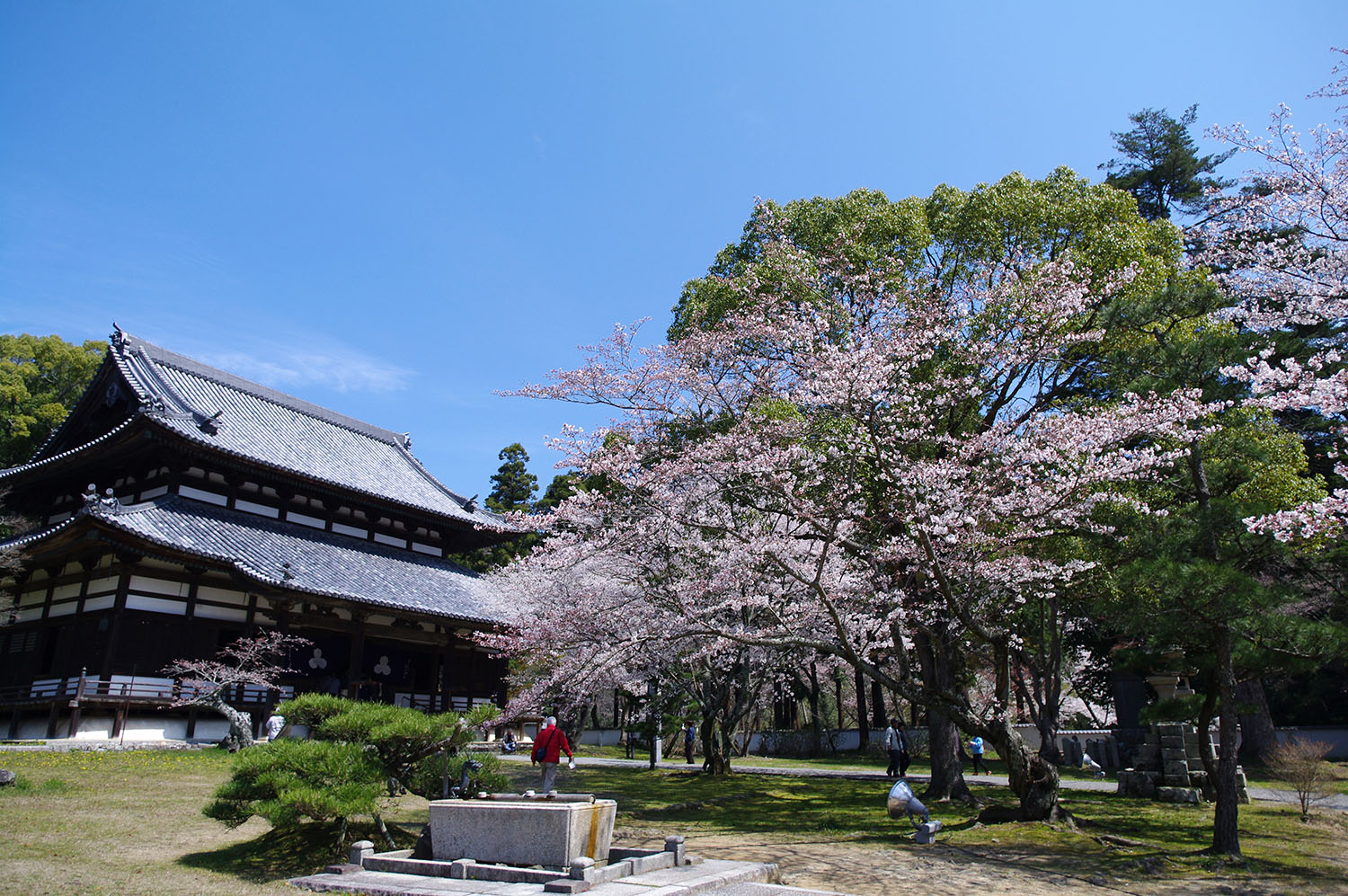 Kumamushi / CC BY-SA 3.0
Negoroji (Iwade)
Locally knownNegoroji was, at its height in the sixteenth century, a monastic complex of some two thousand buildings with an armed fo…
 Steve Shattuck from Canberra, Australia / CC BY-SA 2.0
Kumano Kodo Pilgrimage Trails
Well knownThe Kumano Kodo is 70 kilometers of stone path through the Kii Mountains, connecting Kyoto to the three Kumano Sanzan sh…