
本頁尚未翻譯,暫以英文顯示。
Shiogama Fish Market and Sushi for Breakfast
調查與撰寫 Hinato
宮城縣 · Shiogama
38.3142°N, 141.0217°E
Shiogama's fish market and surrounding sushi restaurants offer one of northern Japan's premier seafood experiences, where the day's fresh catch goes directly from auction floor to sushi counter within hours, ensuring remarkable freshness and quality. Shiogama has served as Miyagi's primary fishing port for centuries, with its protected harbor providing safe anchorage and proximity to rich Pacific fishing grounds. The market area comprises both the wholesale auction facility (generally not open to public viewing) and the retail Shiogama Marine Gate, a modern complex housing seafood vendors, restaurants, and specialty shops. What makes Shiogama truly special is the tradition of eating sushi for breakfast—several renowned sushi shops near the market open as early as 7 AM, serving exquisitely fresh nigiri prepared from that morning's catch. The practice developed from fishermen and market workers needing hearty, protein-rich breakfasts, but has evolved into a culinary tradition that attracts food enthusiasts from throughout Japan. The breakfast sushi typically features a chef's selection of seasonal fish, with common offerings including fatty tuna (when in season), local specialties like flounder and sea bream from Matsushima Bay, sweet shrimp, sea urchin, salmon roe, and various shellfish. The rice is slightly warm, seasoned perfectly with vinegar, and each piece represents the chef's judgment about optimal fish quality that particular morning. Portions are generous with sets often including 10-12 pieces plus miso soup and pickles.
Shiogama's importance as a port long predates its current fame for breakfast sushi — the town has served as a shrine and shipping hub since ancient times, and Shiogama Shrine on the hill above the harbor is one of the region's most historically significant Shinto sites, traditionally associated with the deity of salt-making and maritime safety that gave the town its name. That older religious and commercial role helped Shiogama accumulate generations of maritime expertise and infrastructure well before the modern auction market existed, and the port's continued position at the mouth of Matsushima Bay, one of Japan's most celebrated scenic coastlines, means the same waters supplying the fish counters also produce the bay's famous islands and calm anchorages. The morning sushi tradition itself grew organically out of practical necessity rather than being designed as a tourist draw, and many of the shops now popular with visitors still keep their earliest hours geared toward market workers first, tourists second.
基本資訊
營業時間
Close when fish sells out (often by 2:00 PM)
公休: Nigiwai Market: closed Tuesdays; individual sushi shops vary — check specific restaurants
門票
No entry fee; breakfast sushi sets ¥2,000–3,500; premium otoro upgrade available
最佳季節
Year-round; autumn–winter (October–February) for fattier, higher-grade tuna in peak season
建議停留
45–90 minutes for breakfast sushi; 2–3 hours combined with Shiogama Shrine visit
如何前往
交通資訊
在地私房情報
鄰近景點
距離Shiogama Fish Market and Sushi for Breakfast最近的私房景點,依直線距離排序。
 掬茶 / CC BY-SA 4.0
Matsushima Bay Scenic Cruise
Well knownMatsushima Bay contains exactly 260 islands (the count was verified in the 1790s by a monk who documented each one). The…
 663highland / CC BY-SA 4.0
Godaido Temple
Well knownGodaido Temple stands as one of Matsushima's most iconic landmarks, a small vermillion Buddhist hall perched on a tiny i…
 Raita Futo from Tokyo, Japan / CC BY 2.0
Zuiganji Temple
Well knownZuiganji Temple stands as one of the Tohoku region's most important Zen Buddhist temples, a National Treasure that has s…
Sendai Morning Market (Sendai Asaichi)
Locally knownSendai Morning Market captures the vibrant essence of local food culture, a covered arcade market that has served Sendai…
 掬茶 / CC BY-SA 4.0
Sendai Tanabata Festival
Locally knownThe Sendai Tanabata Festival stands as Japan's most spectacular star festival celebration, transforming the entire city…
 Σ64 / CC BY 4.0
Zunda Mochi
Locally knownZunda mochi represents Sendai and Miyagi Prefecture's most distinctive sweet, a beloved confection where mochi rice cake…
更多宮城縣的景點
 Maarten Heerlien from Voorschoten, The Netherlands / CC BY 2.0
Tashirojima
Little knownTashirojima is a small island off Ishinomaki with an ageing population of well under a hundred and a great many cats. Th…
 Σ64 / CC BY-SA 3.0
Izunuma and Uchinuma
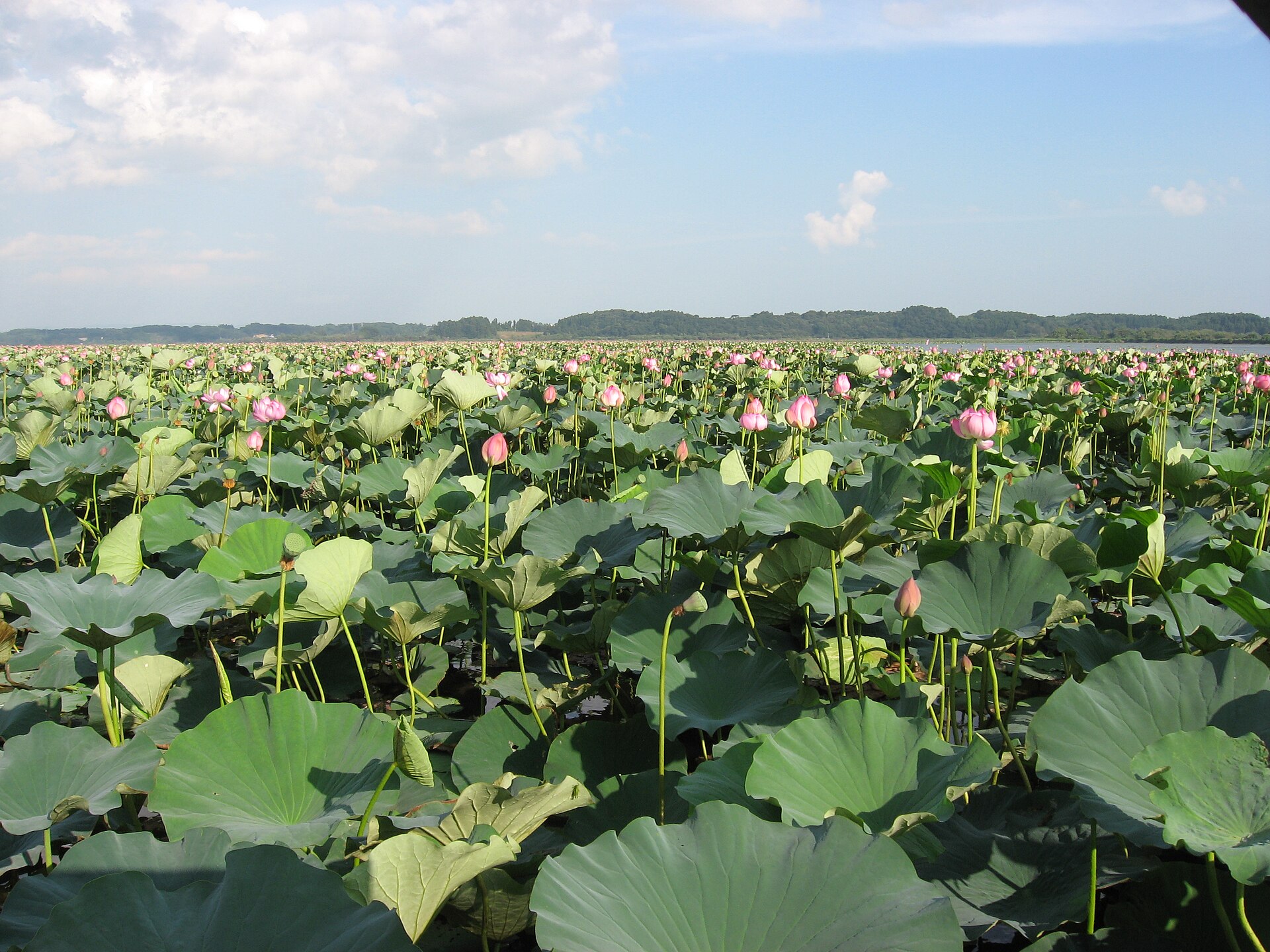
Little knownIzunuma and Uchinuma are shallow lowland marshes covering about four square kilometres on the Semboku plain, and because…
 Totti / CC BY-SA 4.0
Harako-meshi
Little knownHarako-meshi is rice cooked in the stock from simmering salmon, with the flaked salmon on top and salmon roe over that.…