
Esta página aún no ha sido traducida y se muestra en inglés.
Iwami Ginzan
Investigado y escrito por Hinato

Photo: 663highland / Wikimedia Commons (CC BY-SA 4.0) · original
Iwami Ginzan is the remains of Japan's biggest silver mine, which from 1526 to 1923 pulled enough silver out of these mountains to supply one-third of the world's total in the 16th-17th centuries. That silver funded Japan's trade with Europe and Asia—Portuguese and Dutch ships carried it west; Chinese merchants took it north. UNESCO listed the site in 2007, unusual for a mine because Iwami managed its forests sustainably (they needed timber for mine supports but didn't deforest the mountains). The site includes hand-dug tunnels (you can walk 273 meters into one), smelting ruins, the Omori town (preserved Edo-period mining settlement), and the port where silver got shipped. It's spread out—2 kilometers between tunnel and town, mostly uphill. Rent a bike or take the bus; don't try walking it in summer heat.
Información esencial
Horario
Ryugenji Mabu tunnel: 9:00 AM – 5:00 PM (9:00 AM – 4:00 PM Dec-Feb); Omori Town sites: 9:30 AM – 5:00 PM; outdoor areas accessible anytime
Cerrado: No regular closures; some minor museums close Mondays
Entrada
Ryugenji Mabu tunnel: ¥500 adults, ¥250 elementary/junior high; Iwami Ginzan Museum: ¥310; Omori walking: free
Mejor temporada
May–June (fresh green) and October–November (autumn colors along the forest trail); avoid July–August heat
Duración de la visita
2–3 hours: tunnel (30 min), Omori town walk (90 min), museum (30 min); half-day if combining with Yunotsu Onsen
Cómo llegar
Información de acceso
Acceso detallado y horarios
Estación más cercana
Oda Station (JR San'in Main Line) — 30-minute bus to Omori from Station Bus Stop (Iwami Ginzan Line)
Tiempo de viaje
From Osaka: ~3 hours (JR to Higashi-Hamada or Oda Station, then bus). From Tokyo: ~5 hours (Shinkansen to Hiroshima, Super Matsukaze Limited Express to Oda, then bus)
Cómo llegar
Bus from Oda Station (Iwami Kotsu, ~30 min, ¥780). Car: Nima IC on San'in Kinki Expressway, then Route 9 and Route 31, about 15 minutes to Omori
Mejor momento para visitar
Weekday mornings 9:00–11:00; Omori town is best in early morning mist (autumn) or late afternoon golden light; tunnel is equally good any time due to constant interior lighting
Consejos para evitar multitudes
Busy during Golden Week and autumn (October) weekends. Otherwise very quiet — expect fewer than 100 visitors on typical weekdays. No crowds even in peak season compared to Kyoto UNESCO sites
Información de aparcamiento
Free parking at World Heritage Center near Omori (150 spaces). Also free parking near Ryugenji Mabu tunnel entrance (30 spaces). Parking never a problem
Guía privilegiada
Reserva alojamiento cercano
Encuentra alojamiento cerca de Iwami Ginzan en estas plataformas de confianza:
Lugares cercanos
Los lugares secretos más cercanos a Iwami Ginzan, por distancia en línea recta.
 contri from Yonezawa Yamagata, Japan / CC BY-SA 2.0
Yunotsu Onsen
Well knownYunotsu was the port that shipped silver out of Iwami Ginzan, and when the mine was inscribed by UNESCO the town went in…
 立志堂 / CC BY-SA 4.0
Sanbe Azukihara Buried Forest
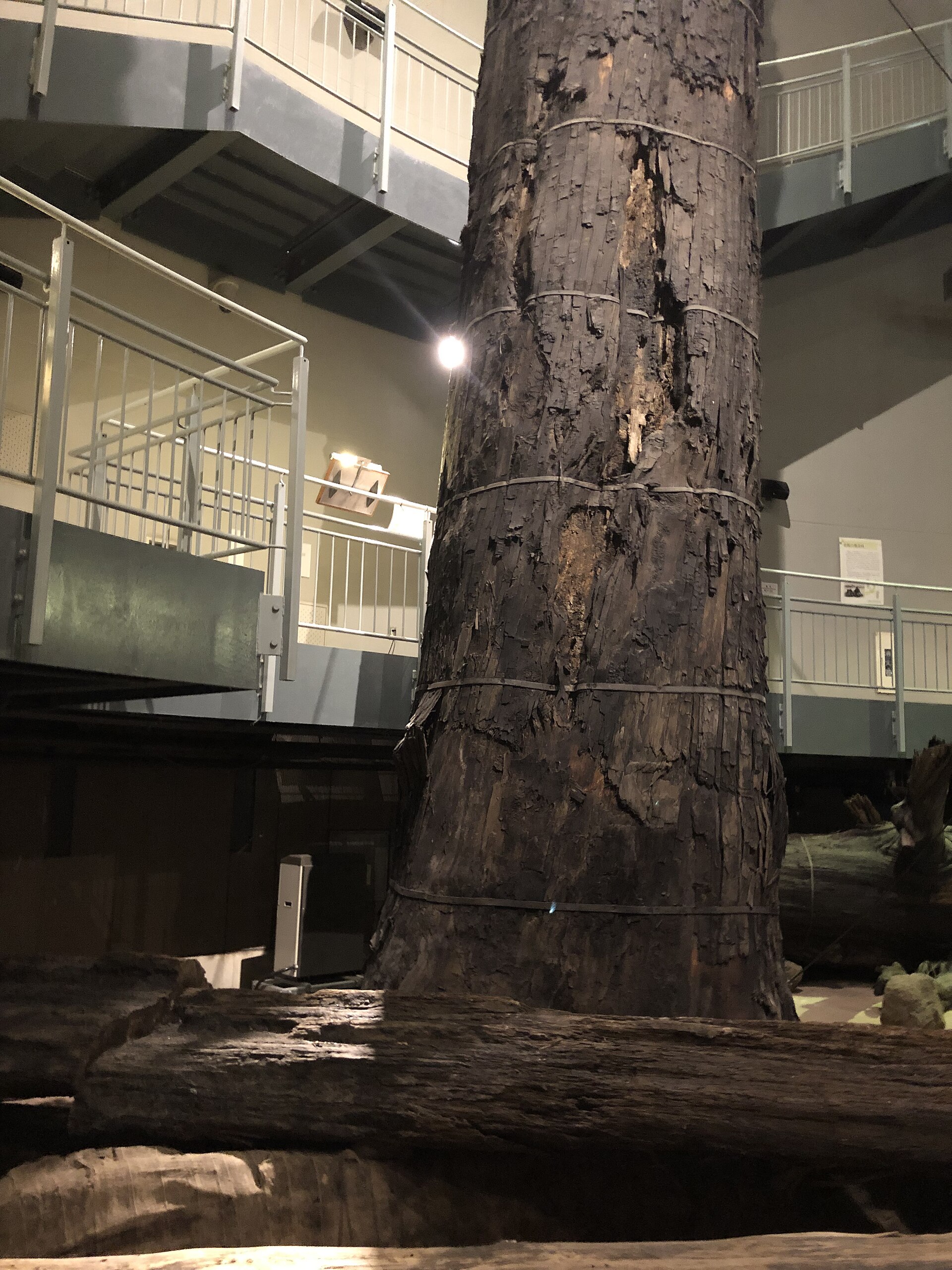
Little knownAbout four thousand years ago Mt. Sanbe erupted and buried the forest at its foot in volcanic debris — not flattening th…
 Kuma83 / CC BY-SA 4.0
Arifuku Onsen
Little knownArifuku is a hot spring village folded into a narrow valley in Gotsu, with inns stacked up the slope on either side of a…
 Tatsuya Sakai / CC BY-SA 3.0
Tachikue Gorge
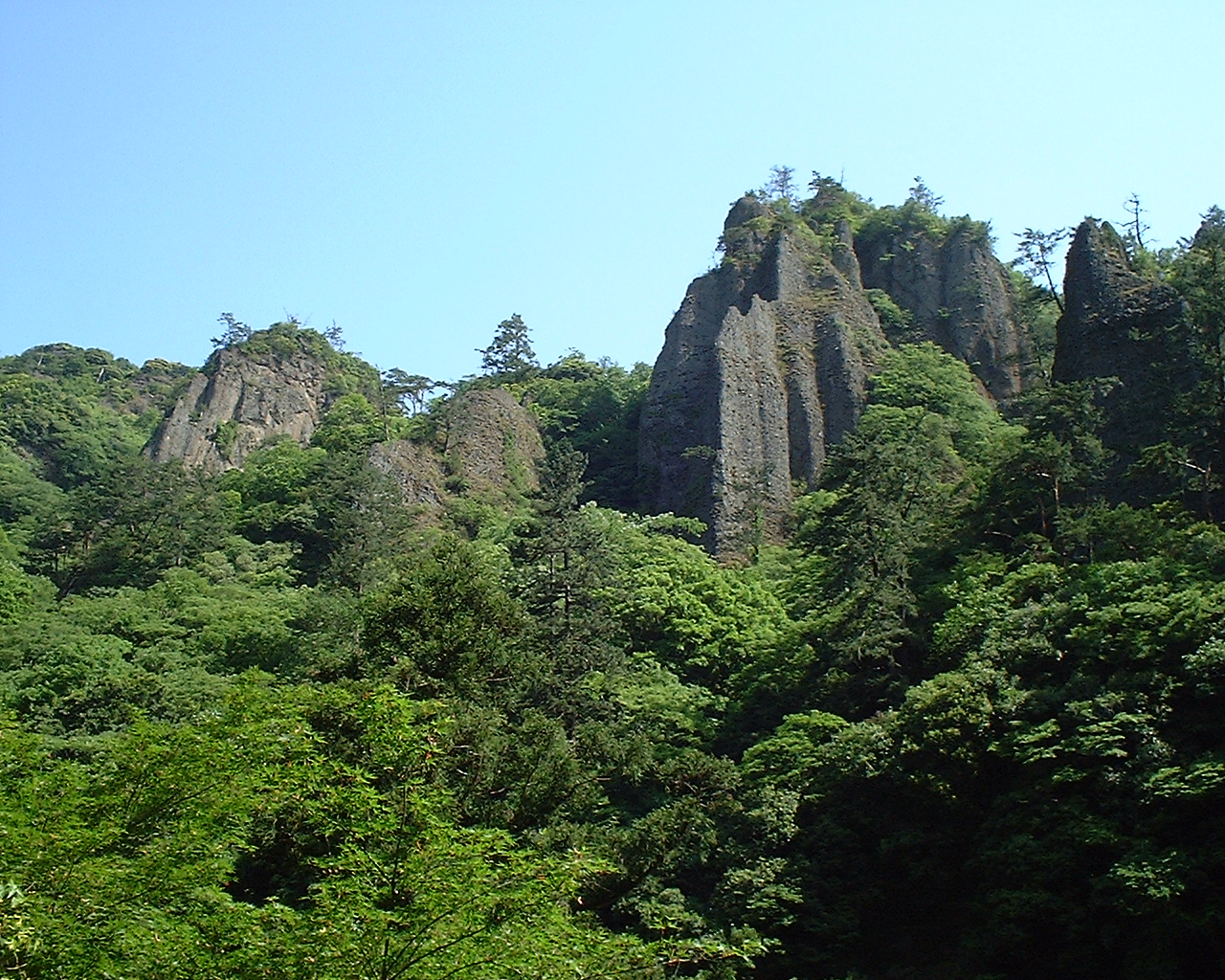
Little knownTwenty minutes from central Izumo, the Kando River runs between walls of columnar rock rising 100 to 200 metres — eroded…
 Ilustración: no es una fotografía
Ryuzugataki Falls
Little knownRyuzugataki is two waterfalls: the female fall at 30 metres and the male fall at 40, the larger of which is described as…
 Suikotei / CC BY-SA 4.0
Iwami Tatamigaura
Locally knownIn 1872 the Hamada earthquake lifted a section of sea floor about a metre out of the water, and it has stayed there. The…
Más en Prefectura de Shimane
Oni no Shitaburui
Locally knownThe name means the demon's tongue trembling, and it comes from a story in the Izumo Fudoki about a shark deity in love w…
 Nesnad / CC BY 4.0
Shussai Kiln
Little knownShussai Kiln was started in 1947 by five local men in their twenties, none of them trained potters, who decided to make…
Arakiya
Little knownThere are a dozen soba shops around Izumo Taisha and Arakiya is the oldest of them, founded in the Tenmei era of the 178…