
Esta página aún no ha sido traducida y se muestra en inglés.
Izumo Soba
Investigado y escrito por Hinato
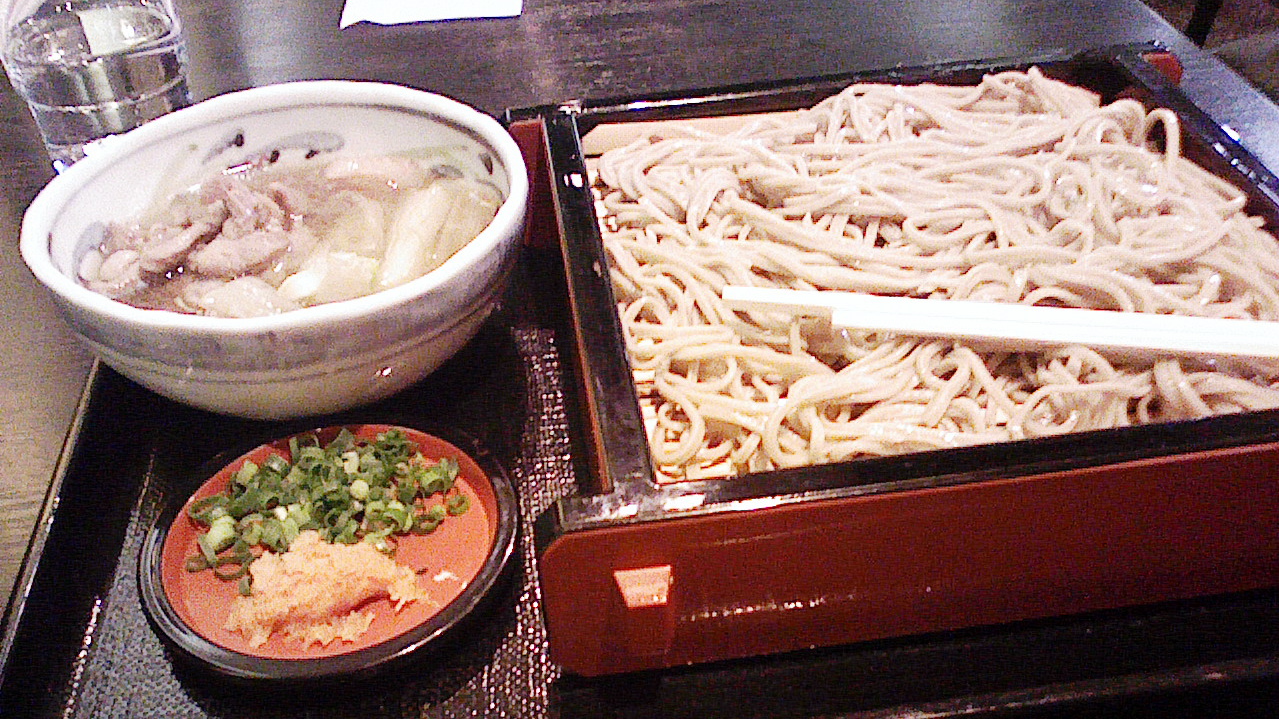
Photo: boreal eye / Wikimedia Commons (CC BY 2.0) · original
Izumo Soba (出雲そば) is Shimane's signature noodle dish, served in a unique warigo (割子) style: three small stacked lacquered bowls with cold soba noodles in each. Diners pour tsuyu (soy-based dipping sauce) directly onto the noodles in the first bowl, add condiments (green onion, grated daikon, wasabi, nori), eat the portion, then pour remaining sauce into the second bowl, repeating for all three tiers.
Izumo soba uses whole buckwheat kernels (including hull), creating darker, earthier noodles than typical soba. This nutritious style originated when Izumo's shrine pilgrims needed filling, portable meals. The region's pure mountain water and local buckwheat cultivation produce distinct flavor appreciated by soba connoisseurs.
Información esencial
Horario
Most shops: 11:00 AM – 3:00 PM, 5:00 PM – 8:00 PM (lunch and dinner seatings)
Cerrado: Varies by shop; many close Wednesdays or Thursdays — check individual shop before visiting
Entrada
Warigo soba set (3 bowls): ¥900–1,200 | Kamaage (hot soba in broth): ¥800–1,000 | Extra bowls: ¥300 each
Mejor temporada
Year-round; October–November for shinso-ba (new-harvest buckwheat) with strongest flavor; pairs well with Izumo Taisha visit
Duración de la visita
30–45 minutes per meal; combine naturally with Izumo Taisha shrine visit (15-minute walk between most soba shops and shrine)
Cómo llegar
Información de acceso
Top Izumo soba shops: Araiya (荒木屋, near Izumo Taisha, ¥800–1,200), Kaniya (かねや, warigo set ¥900),献上そば羽根屋 Hanaya (presents soba to imperial family, ¥1,100). Expect waits at lunch (12:00–13:00).
Guía privilegiada
Warigo eating technique: The three-bowl presentation isn't just aesthetic — it's functional. Add condiments to taste. Slurp the entire first bowl. The sauce becomes richer and more flavorful with each tier as it accumulates noodle starches and condiment flavors. First-timers often make the mistake of leaving sauce behind in each bowl — use it all by cascading between bowls.
Dark soba explanation: Izumo soba's dark color (almost brown) and earthy flavor come from grinding whole buckwheat kernels including the hull (殻, kara). Most soba uses only the inner kernel (白い実, white grain), producing lighter-colored noodles. The hull adds fiber, minerals, and robust buckwheat flavor but requires skill to grind without bitterness. Izumo's technique balances nutrition and flavor. If you prefer mild soba, order kamaage (釜揚げ, served hot in soaking water with dipping sauce) instead of warigo.
Araiya recommendation: The noodles are hand-cut daily using local Okuizumo buckwheat. The shop's aged wooden interior and traditional service enhance the experience. Arrive at 11:00 opening or after 14:00 to minimize wait.
Lugares cercanos
Los lugares secretos más cercanos a Izumo Soba, por distancia en línea recta.
 iku / CC BY-SA 4.0
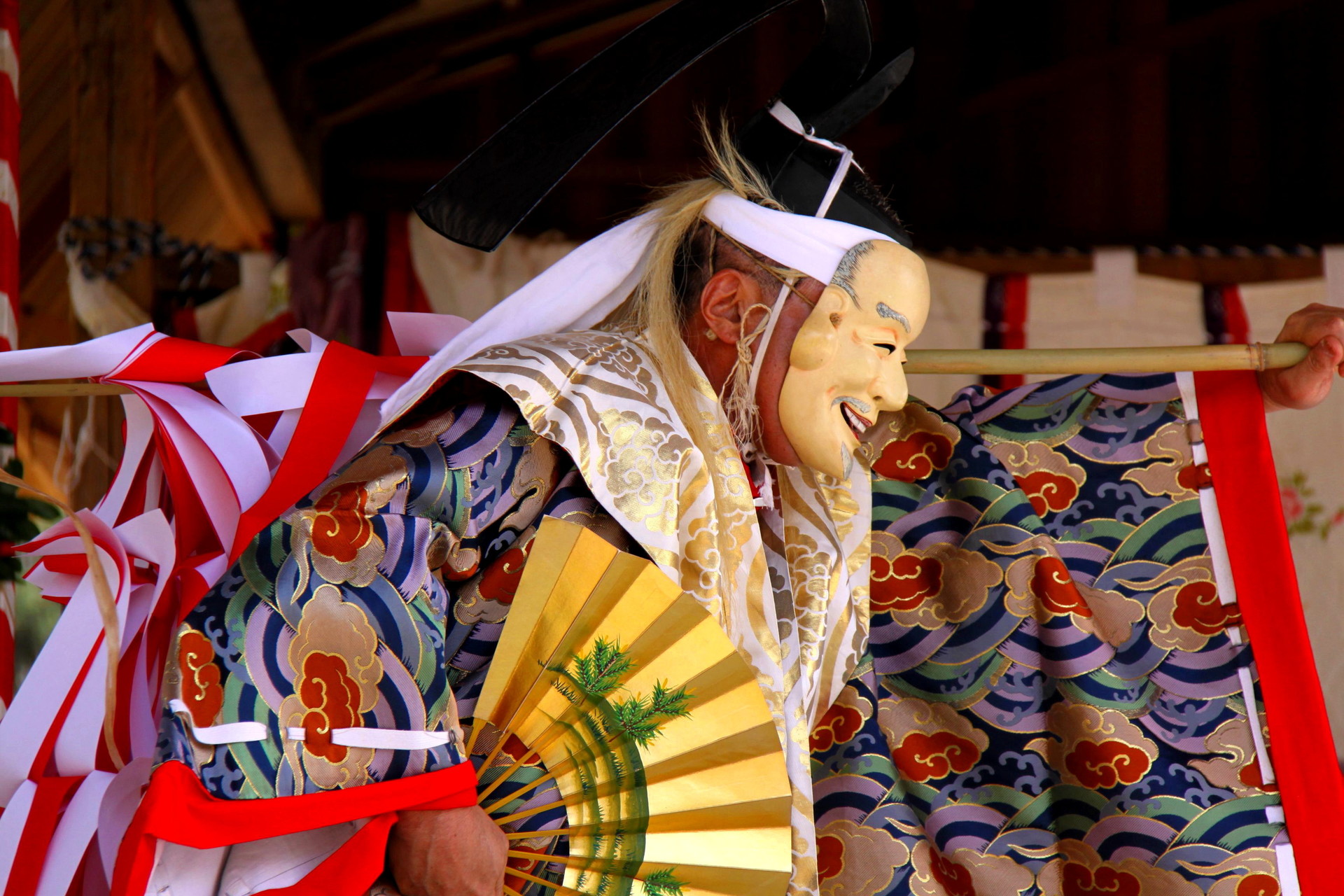
Izumo Taisha
FamousIzumo Taisha is one of Japan's oldest shrines, maybe the oldest depending on who's counting. It's dedicated to Okuninush…
Arakiya
Little knownThere are a dozen soba shops around Izumo Taisha and Arakiya is the oldest of them, founded in the Tenmei era of the 178…
Karakama Shrine
Little knownKarakama Shrine is reached by squeezing through a gap in a rock. The approach climbs a steep flight of stone steps into…
 スタジオ・フェイス / CC BY-SA 4.0
Hinomisaki Shrine & Lighthouse
Little knownHinomisaki (日御碕) is a dramatic cape at Shimane's western tip featuring Hinomisaki Shrine (vermillion shrine buildings) a…
 Nesnad / CC BY 4.0
Shussai Kiln
Little knownShussai Kiln was started in 1947 by five local men in their twenties, none of them trained potters, who decided to make…
 Tatsuya Sakai / CC BY-SA 3.0
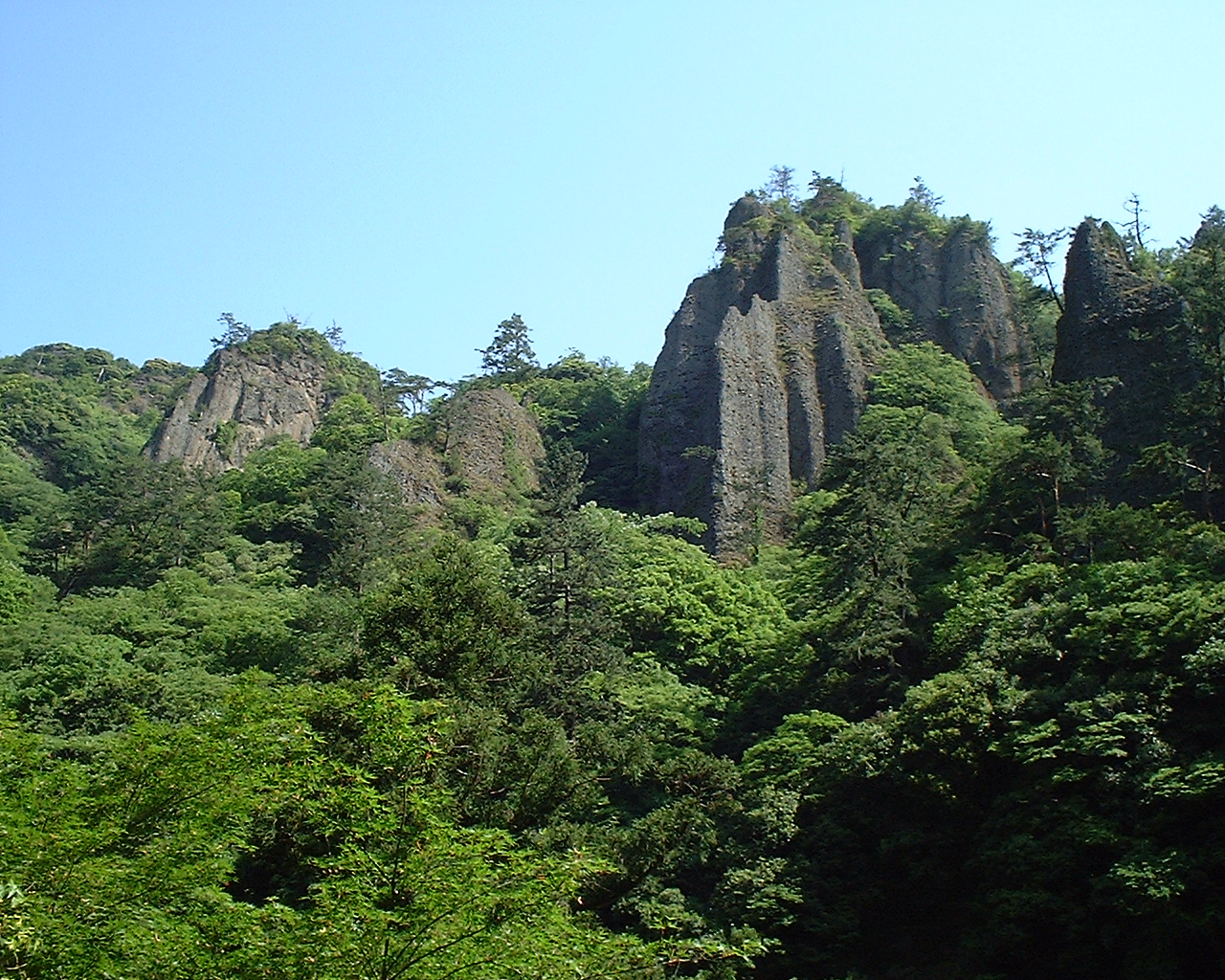
Tachikue Gorge
Little knownTwenty minutes from central Izumo, the Kando River runs between walls of columnar rock rising 100 to 200 metres — eroded…
Más en Prefectura de Shimane
 立志堂 / CC BY-SA 4.0
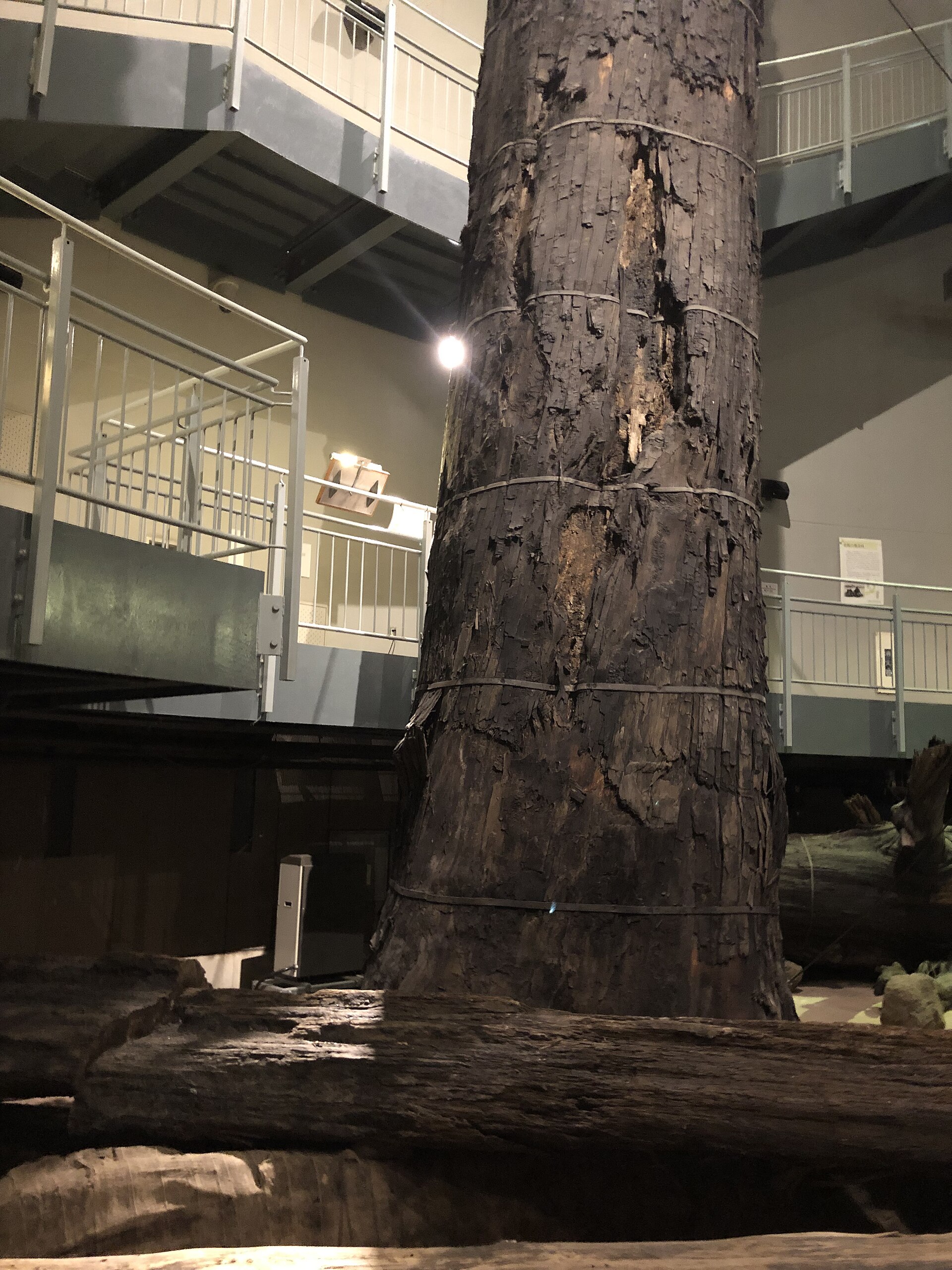
Sanbe Azukihara Buried Forest
Little knownAbout four thousand years ago Mt. Sanbe erupted and buried the forest at its foot in volcanic debris — not flattening th…
 Kasadera / CC BY 2.0
Kiyomizu-dera (Yasugi)
Little knownNot the Kyoto one. This Kiyomizu-dera is a mountain temple complex above Yasugi, founded in 587 according to its own acc…
 Ilustración: no es una fotografía
Yakumoan
Little knownYakumoan occupies a converted samurai residence on Shiomi Nawate, the street of preserved warrior houses running along t…