
Esta página aún no ha sido traducida y se muestra en inglés.
Grilled Oysters (Kaki)
Investigado y escrito por Hinato

Photo: 東広島市 / Wikimedia Commons (CC BY-SA 4.0) · original
Hiroshima Prefecture produces over 60% of Japan's oysters (牡蠣, kaki), with the Seto Inland Sea's calm, nutrient-rich waters providing ideal cultivation conditions. Hiroshima oysters (広島かき) are prized for their plump size, creamy texture, and sweet-briny flavor, and Miyajima Island offers the quintessential tasting experience — grilled oysters (焼きがき, yaki-gaki) cooked fresh on charcoal braziers in front of waterfront stalls, served piping hot with a squeeze of lemon or ponzu citrus sauce.
The oyster season runs from October to March when cold waters produce the richest, fattest specimens. Grilling concentrates the oyster's natural sweetness and adds smoky char, while the interior remains succulent and tender. Beyond grilled preparations, Hiroshima offers oysters in diverse forms: raw oysters (nama-gaki) served on ice with ponzu, deep-fried oysters (kaki-furai) with crispy panko coating, oyster rice (kaki-meshi), and oyster hot pot (kaki-nabe). Miyajima's Omotesando shopping street features numerous oyster stalls where vendors shuck, grill, and serve oysters in rapid succession, creating a casual yet flavorful street food scene. For sit-down dining, dedicated oyster restaurants serve multi-course oyster kaiseki featuring seasonal preparations, showcasing Hiroshima's oyster culture in all its culinary glory.
Información esencial
Horario
10:00 AM – 6:00 PM (Kakiya restaurant) | 10:00 AM – 5:00 PM (Yakigaki-no-Hayashi street stall) | Hours vary by vendor
Cerrado: Many stalls reduce/close oyster menu May–September (off-season) | Check individual restaurants
Entrada
Free to enter | Oysters: ¥300–400 per oyster (stalls) | ¥1,500–3,000 per person (restaurant set courses)
Mejor temporada
October–March (peak season, cold water produces richest flavor) | January–February for largest, finest oysters
Duración de la visita
30-60 minutes (casual street stall tasting) | 60-90 minutes (sit-down restaurant)
Cómo llegar
Información de acceso
Available across Hiroshima, especially Miyajima Island. Top spots: Kakiya (miyajima) — 539 Miyajima-cho, oyster rice and grilled sets (¥1,500–3,000, 10:00–18:00); Yakigaki-no-Hayashi (焼がきのはやし) — Omotesando street, casual grilled oyster stand (¥300–400 per oyster, 10:00–17:00, Oct–March season). Hiroshima City: Torinosu (とり乃巣) near Peace Park, oyster specialty restaurant. Season: Oct–March for best quality.
Guía privilegiada
Seasonal quality variation: Oyster season technically runs year-round, but connoisseurs insist on October through March when colder water temperatures yield oysters at peak sweetness and size. Summer oysters (May–August) spawn, becoming milky and less flavorful — most quality-focused vendors close oyster menus during this period. For the absolute best experience, visit January–February when oysters reach maximum size and richness after months of cold-water feeding.
Street stall vs. restaurant: Oysters are served on the shell, still sizzling, with lemon wedges or ponzu. Price: ¥300–400 per oyster, typically sold in sets of 2–5. Eat standing at counters or on benches. For sit-down comfort and variety, restaurants like Kakiya provide multi-course oyster meals including grilled, fried, raw, and rice preparations (¥2,000–4,000 per person). Both experiences are valid; street stalls prioritize immediacy and simplicity, restaurants prioritize variety and refinement.
Preparation styles to try: Grilled (yaki-gaki, 焼き牡蠣) is the must-try — charcoal smoke, squeezed lemon, and the oyster's natural sweetness create perfect balance. Fried oysters (kaki-furai, 牡蠣フライ) are Hiroshima's second signature preparation — panko-breaded and deep-fried, served with tonkatsu sauce, the contrast between crispy exterior and creamy interior is addictive. Oyster rice (kaki-meshi, 牡蠣飯) steams oysters with rice, soy, and sake, infusing grains with briny umami. For adventurous eaters, raw oysters (nama-gaki, 生牡蠣) with ponzu showcase the oyster's pure flavor — only consume at reputable establishments to ensure freshness and safety.
Lugares cercanos
Los lugares secretos más cercanos a Grilled Oysters (Kaki), por distancia en línea recta.
 Ilustración: no es una fotografía
Momiji Manju
Locally knownMomiji manju (もみじ饅頭, 'maple leaf manju') is Hiroshima and Miyajima's iconic confection — small, maple leaf-shaped cakes…
 z tanuki / CC BY 3.0
Itsukushima Shrine
FamousItsukushima Shrine (厳島神社) rebuilt in 1168 by Taira no Kiyomori, sits on stilts because Miyajima itself was considered to…
 Jakub Hałun / CC BY 4.0
Miyajima Island
FamousMiyajima (宮島), formally Itsukushima Island, is a sacred island in Hiroshima Bay revered since ancient times as a dwellin…
 clear_and_sunny / CC BY 3.0
Mt. Misen
Locally knownMt. Misen (弥山, 535 meters) has been Miyajima's spiritual anchor since 806, when Kobo Daishi spent 100 days meditating in…
Imose Falls
Little knownImose is two falls in one valley behind Ohgashira Shrine, named as a married pair: Otaki, the husband, drops 30 metres i…
Shirunashi Tantanmen
Locally knownSoupless dandan noodles are a Hiroshima invention of 2001. The owner of a small shop called Kisaku had eaten the dish in…
Más en Prefectura de Hiroshima
 Taisyo / CC BY 3.0
Mazda Museum
Locally knownThe Mazda Museum (マツダミュージアム) in Hiroshima's Fuchu district offers an in-depth look at Mazda Motor Corporation's history,…
 そらみみ / CC BY-SA 4.0
Hiroshima Castle
Locally knownHiroshima Castle (広島城), nicknamed 'Carp Castle' (鯉城, Rijō) for the carp that once swam in its moats, is a reconstructed…
 妖精書士 / CC BY-SA 3.0
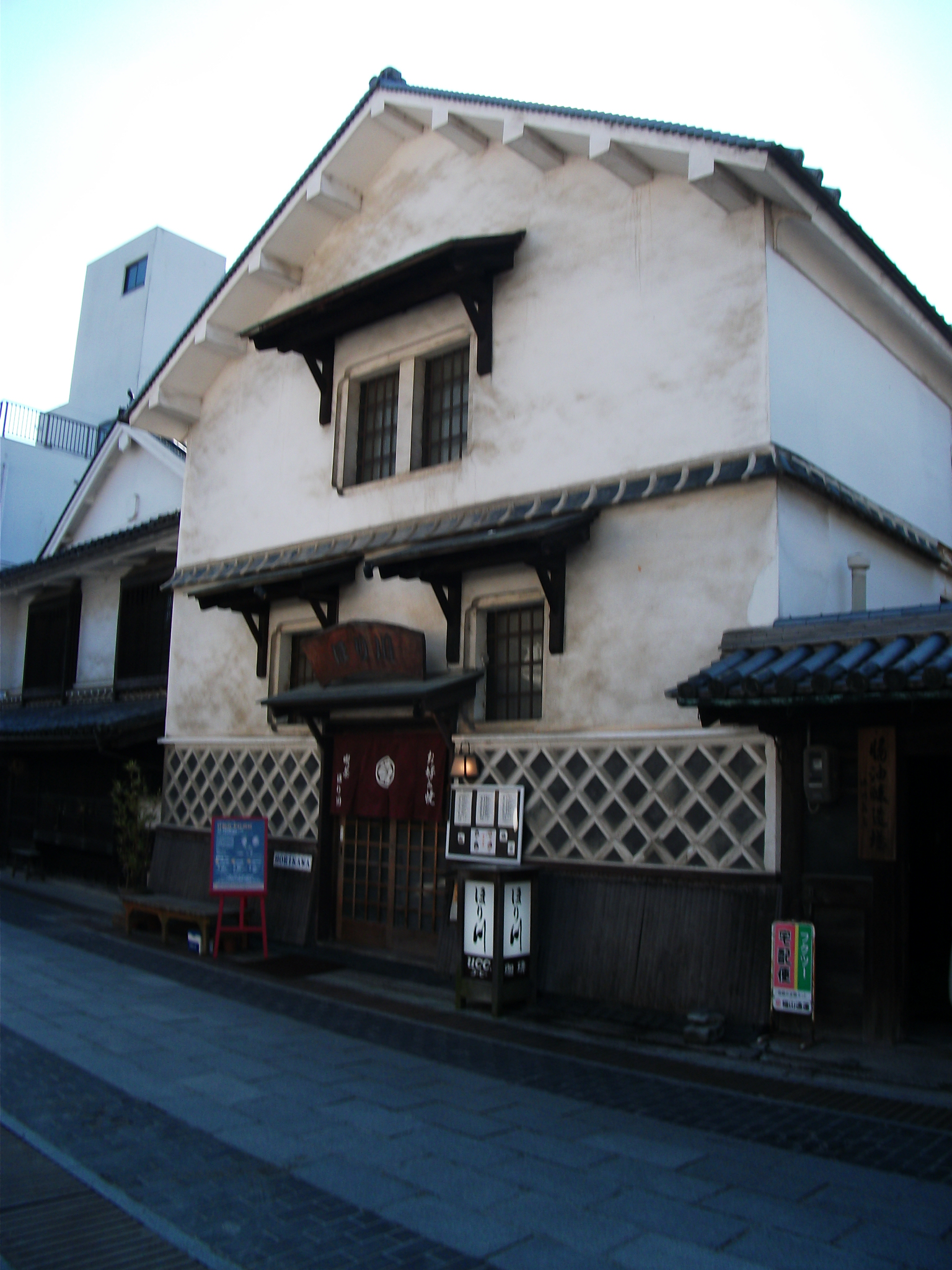
Takehara Preservation District
Locally knownTakehara made its money from salt and sake. The Seto Inland Sea coast here was laid out as evaporation flats in the seve…