
Monte Daisen
Investigado y escrito por Hinato

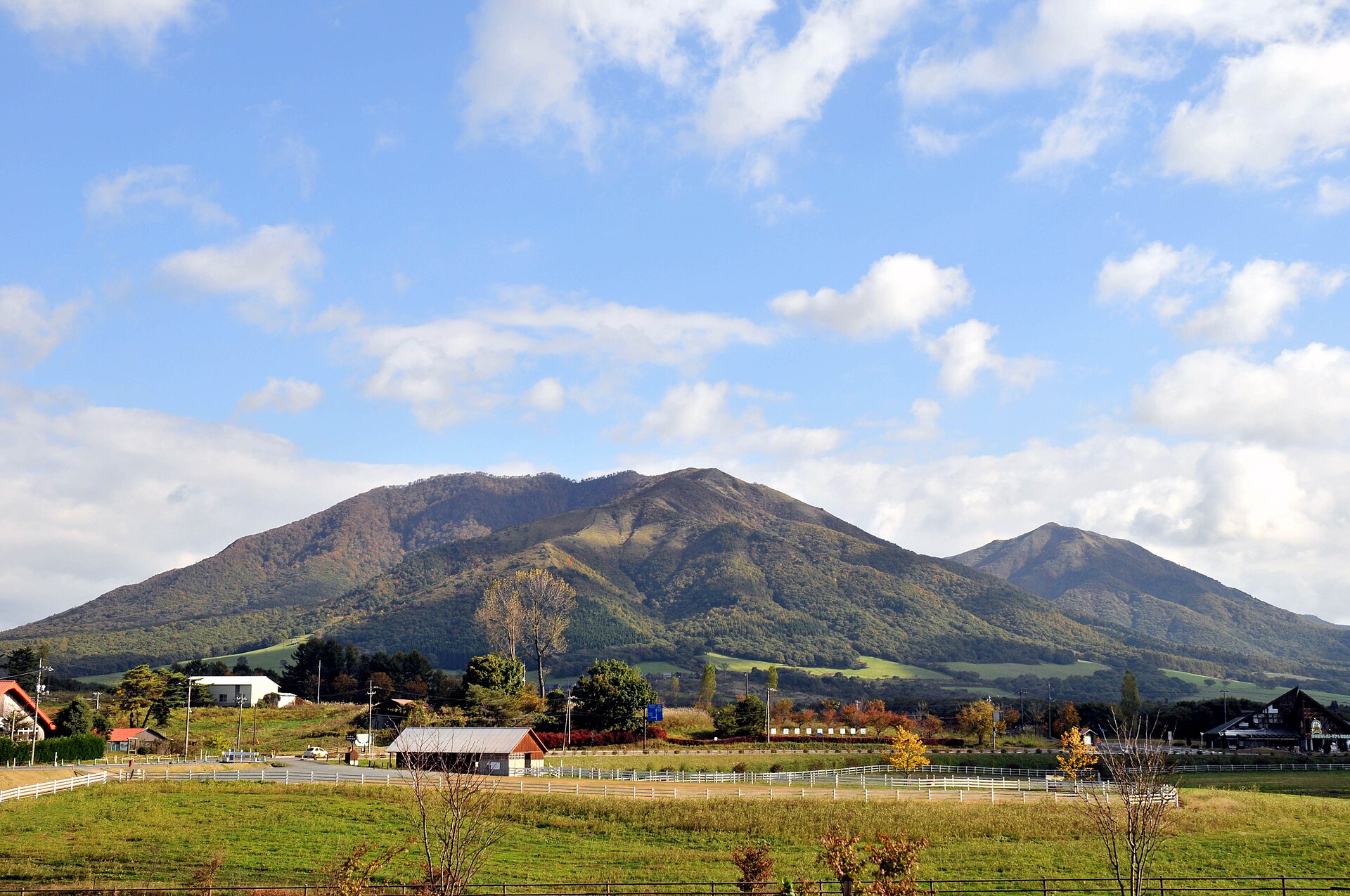
Photo: 掬茶 / Wikimedia Commons (CC BY-SA 4.0) · original
El monte Daisen (1 729 m) domina la costa de San'in con una silueta cónica que le ha valido el apodo de «Fuji del oeste». La cara norte, menos visible desde las rutas turísticas, revela un perfil escarpado con paredes verticales de roca que desmiente su apariencia amable desde el sur. Es una montaña sagrada con un templo budista (Daisenji) en su falda que lleva más de 1 000 años recibiendo peregrinos.
La subida al pico toma unas 3-4 horas (ida y vuelta) por un sendero bien mantenido que atraviesa bosques de hayas centenarias. En otoño, las laderas explotan en rojo y naranja, y en invierno la nieve cubre la cima. El paseo de los hayedos en la base es accesible para todos los niveles.
Información esencial
Horario
Mountain trails: open 24 hrs during hiking season | Myoo-in treasure hall: 9:00 AM – 4:30 PM | Ski resort: 8:30 AM – 4:30 PM (December–March)
Cerrado: Summit trail: officially closed mid-November to late April (snow/ice hazard) | Temple: no regular closing | Winter: ski resort operates Dec–early April | Check trail conditions at Daisen Nature Center before ascending
Entrada
Gratuito
Mejor temporada
Octubre-noviembre (hojas rojas) | Verano para la cumbre | Invierno para esquí
Duración de la visita
4–6 horas (con ascenso) | 2 horas (paseo en la base)
Cómo llegar
Información de acceso
Acceso detallado y horarios
Estación más cercana
Yonago Station (JR San'in Main Line) — 50-min bus to Daisen-ji base (¥930) | Bus: Nihon Kotsu bus from Yonago bound for Daisen (check seasonal schedule)
Tiempo de viaje
From Yonago Station: 50-min bus (¥930) | From Matsue: 45-min drive | From Tottori City: 90-min drive | Car recommended for flexibility with early morning summit departure
Cómo llegar
Bus from Yonago Station: Nihon Kotsu to Daisen (check timetable, infrequent) | Car: 50 min from Yonago via Route 431 (free parking at trailhead) | Taxi from Yonago: ~¥5,000 one-way (arrange return pickup)
Mejor momento para visitar
Summit departure: 6:00 AM to reach summit by 9:00 AM before afternoon clouds | October 25–November 3 for peak autumn color (crowded weekends) | Early November post-peak for empty trails + fallen leaves | Dawn sutra: arrive Daisen-ji by 5:30 AM
Consejos para evitar multitudes
Summit trail has chains + exposed ridge requiring careful footing | Autumn peak weekends: 1,000+ hikers | Weekday October visits cut crowds to ~100 | Serow (wild mountain goats) sighted before 7:00 AM on upper slopes | Unique Daisen-renge lotus at 1,600–1,700m blooms mid-June only
Información de aparcamiento
Daisen-ji trailhead: free parking (200 cars) | Peak autumn weekends: lots fill by 8:00 AM | Overflow parking 1km below trailhead (free shuttle) | Ski resort parking: ¥500/day
Guía privilegiada
Reserva alojamiento cercano
Encuentra alojamiento cerca de Monte Daisen en estas plataformas de confianza:
Lugares cercanos
Los lugares secretos más cercanos a Monte Daisen, por distancia en línea recta.
 Ilustración: no es una fotografía
Daisen-ji Temple
Little knownDaisen-ji Temple, established in 718 AD, served as the spiritual gateway to Mt. Daisen's sacred peak for over a millenni…
Daisen Milk & White Baracca
Little knownThe Daisen mountain foothills are home to several dairy farms that produce some of Japan's finest milk, cream, and soft-…
 Reggaeman / CC BY-SA 3.0
Ogamiyama Shrine Okunomiya
Locally knownThe approach to the mountain shrine of Ogamiyama is seven hundred metres of natural stone laid as paving — the longest s…
 Reggaeman / CC BY-SA 3.0
Hiruzen Highlands
Little knownHiruzen is a plateau at 500 to 600 metres under three peaks in Okayama's far north, and it is where roughly a fifth of e…
Yonago Gaina Festival
Little knownThe Yonago Gaina Festival, held every July, is western Japan's answer to the massive summer festivals of Tokyo and Osaka…
Yonago Castle Ruins
Little knownYonago Castle once stood as one of the most strategically important fortifications in western Japan, commanding views ov…
Más en Prefectura de Tottori
Tottori Nijisseiki Pear Tart
Little knownThe Tottori 20th Century Pear Tart (鳥取二十世紀梨タルト) is the prefecture's signature souvenir dessert — a buttery tart shell fi…
Tottori Karo Historical Samurai Residence
Little knownThe Tottori Karo Residence (鳥取藩家老職武家屋敷) is a beautifully preserved samurai house from the Edo period, originally occupie…
Nageiredo
Locally knownNageiredo is a small hall wedged into a cliff hollow on Mt. Mitoku, held up on stilts of unequal length, and it is a Nat…