
Esta página aún no ha sido traducida y se muestra en inglés.
Mount Yoshino
Investigado y escrito por Hinato

Photo: Nankou Oronain (as36… / Wikimedia Commons (CC BY-SA 3.0) · original
Yoshino's 30,000 cherry trees bloom in four elevation zones called senbon (千本, 'thousand trees') — Shimo, Naka, Kami, and Oku — cascading down the mountainside from 300 to 800 meters. When Emperor Temmu planted the first saplings in the 8th century, he designated them sacred to Zao Gongen, the mountain deity. Monks who completed ascetic training earned the right to plant one tree, accumulating thousands over 1,200 years. Unlike ornamental someiyoshino cherries that blanket Tokyo, Yoshino grows yamazakura (mountain cherries) with pink-white petals that open alongside bronze-red leaves, creating layered color.
I first walked the pilgrimage route at 6:30 AM in mid-April. Mist hung between the blooming zones while temple bells echoed from Kinpusenji's Zaodo Hall — a 34-meter-tall structure built without nails in 1592. Inside the hall's dim interior, three 7-meter blue Zao Gongen statues glare down during special viewings (April 7-May 6 and November). The fierce deity tramples demons underfoot while fierce flames curl behind his head. Local yamabushi monks still practice here, identifiable by their white leggings and conch-shell horns they blow at dawn.
The mountain rewards overnight stays. Hanayagura viewpoint, a 15-minute climb past Kami-senbon, overlooks 20,000 trees at once. At sunset, the pink mass glows against dark cedars while the valley below Yoshino River turns violet. Temple lodgings serve shojin ryori (Buddhist vegetarian cuisine) — sesame tofu, pickled mountain vegetables, kuzumochi made from local arrowroot. After dinner, the innkeeper might tell you about the 12th-century warrior Minamoto no Yoshitsune who hid here from his brother's armies, or Emperor Go-Daigo's 14th-century exile in these same halls.
Información esencial
Horario
Yoshino Village: 24/7 | Kinpusenji Temple (Zaodo Hall): 8:30 AM – 4:30 PM | Temple lodgings check-in: 3:00 PM – 6:00 PM
Cerrado: No regular closures (mountain and temple grounds always accessible)
Entrada
Kinpusenji Main Hall: ¥500 (regular) | Secret Buddha viewing periods (Apr 7-May 6 & Nov 1-30) may have separate pricing — confirm current rates | Cable car: ¥370 one-way | Temple lodgings: ¥10,000-28,000/night with meals
Mejor temporada
Early to mid-April for cherry blossoms (4 elevation zones bloom sequentially Apr 5-15) | November for autumn foliage
Duración de la visita
Half day (village + Kinpusenji) | Full day (all 4 blooming zones + Mikumari Shrine) | Overnight stay recommended during cherry blossom season
Cómo llegar
Información de acceso
Yoshino-cho, Yoshino District. Access: Kintetsu Railway to Yoshino Station, then cable car (¥370) or Near village. Cherry blossom peak: early-mid April (timing varies by elevation zone). Overnight temple lodgings (shukubo) available ¥10,000–15,000 with meals. Peak season requires lodging reservations 2–3 months ahead.
Acceso detallado y horarios
Estación más cercana
Kintetsu Yoshino Station (Kintetsu Yoshino Line) - terminal station, then cable car or 25-min walk
Tiempo de viaje
From Kyoto: 90 min via Kintetsu Kintetsu-Kyoto Line to Kashiharajingu-mae, transfer to Yoshino Line | From Osaka (Abenobashi): 80 min direct via Kintetsu Yoshino Line | From Nara: 60 min via Kintetsu
Cómo llegar
Train: Kintetsu Yoshino Line from Osaka Abenobashi to Yoshino Station (80 min, ¥1,000). From Kyoto, take Kintetsu to Kashiharajingu-mae then transfer to Yoshino Line.
Cable Car: From Yoshino Station, take the Yoshino Ropeway (¥370 one-way, 3 min) to village entrance. Or walk up the steep approach (25 min).
Car: Highway to Gojo IC, then Route 169 south to Yoshino (2 hours from Osaka). Parking ¥500-1,000 near cable car base but fills early during cherry blossom season.
Mejor momento para visitar
Cherry blossom season: weekdays April 8-12 when multiple zones bloom simultaneously. Arrive before 9:00 AM to secure lodging-side morning atmosphere. Autumn (Nov 1-15) for foliage with far fewer crowds than spring.
Consejos para evitar multitudes
Cherry blossom weekends (Apr 8-15) draw up to 50,000 daily visitors — roads, cable cars, and village paths become extremely congested by 10:00 AM. Arrive via first train (before 8:30 AM) or stay overnight to enjoy early morning solitude. Monday-Wednesday crowds are half of weekend levels. November foliage season is far less crowded than spring.
Información de aparcamiento
Limited parking in Yoshino village (¥500-1,000/day). Remote parking areas operate during peak season with shuttle buses to village. Public transport strongly recommended during cherry blossom season as roads become gridlocked.
Guía privilegiada
The Yoshino Town Tourism Association posts daily bloom reports by zone from late March onward. Shimo-senbon (lower 300m elevation) blooms first around April 5, followed by Naka-senbon 2-3 days later, Kami-senbon by April 10, and Oku-senbon peaks around April 15. The entire cycle lasts 12-16 days depending on temperature. If you visit April 8-12, you'll typically catch at least three zones in simultaneous bloom. Weekends draw 50,000 daily visitors; Monday-Wednesday traffic drops by half.
Overnight guests at temple lodgings (shukubo) wake to 5:30 AM gong bells and can attend morning sutra chanting before breakfast. Chikurin-in (竹林院), operating since the 14th century, has tatami rooms overlooking a pond garden where cherry branches cascade to the water. Rooms run ¥18,000-28,000 with two meals (kaiseki dinner, rice porridge breakfast).竹林院's Sensuikaku annex served Emperor Meiji in 1887. Budget alternative: Yoshino Youth Hostel near Naka-senbon charges ¥6,000 for dormitory beds (no meals). Book by January for prime April dates.
The Zaodo Hall's secret Buddha viewing (April 7-May 6) shows all three Zao Gongen statues normally hidden behind closed doors. The 7.3-meter central figure was carved in 1592 from a single hinoki cypress trunk and painted blue to represent the deity's wrathful compassion. Viewing costs ¥1,000 (vs. ¥800 regular admission when statues remain concealed). Go before 9:00 AM before tour groups pack the hall. Photography prohibited, but the image stays with you — blue skin, gold eyes, red flames, raised right leg stomping evil. Autumn viewing runs November 1-30 when maple foliage replaces cherry blossoms. The statues look different under autumn light filtering through colored leaves outside the hall's high windows.
Reserva alojamiento cercano
Encuentra alojamiento cerca de Mount Yoshino en estas plataformas de confianza:
Lugares cercanos
Los lugares secretos más cercanos a Mount Yoshino, por distancia en línea recta.
 Uo3rt / CC BY-SA 4.0
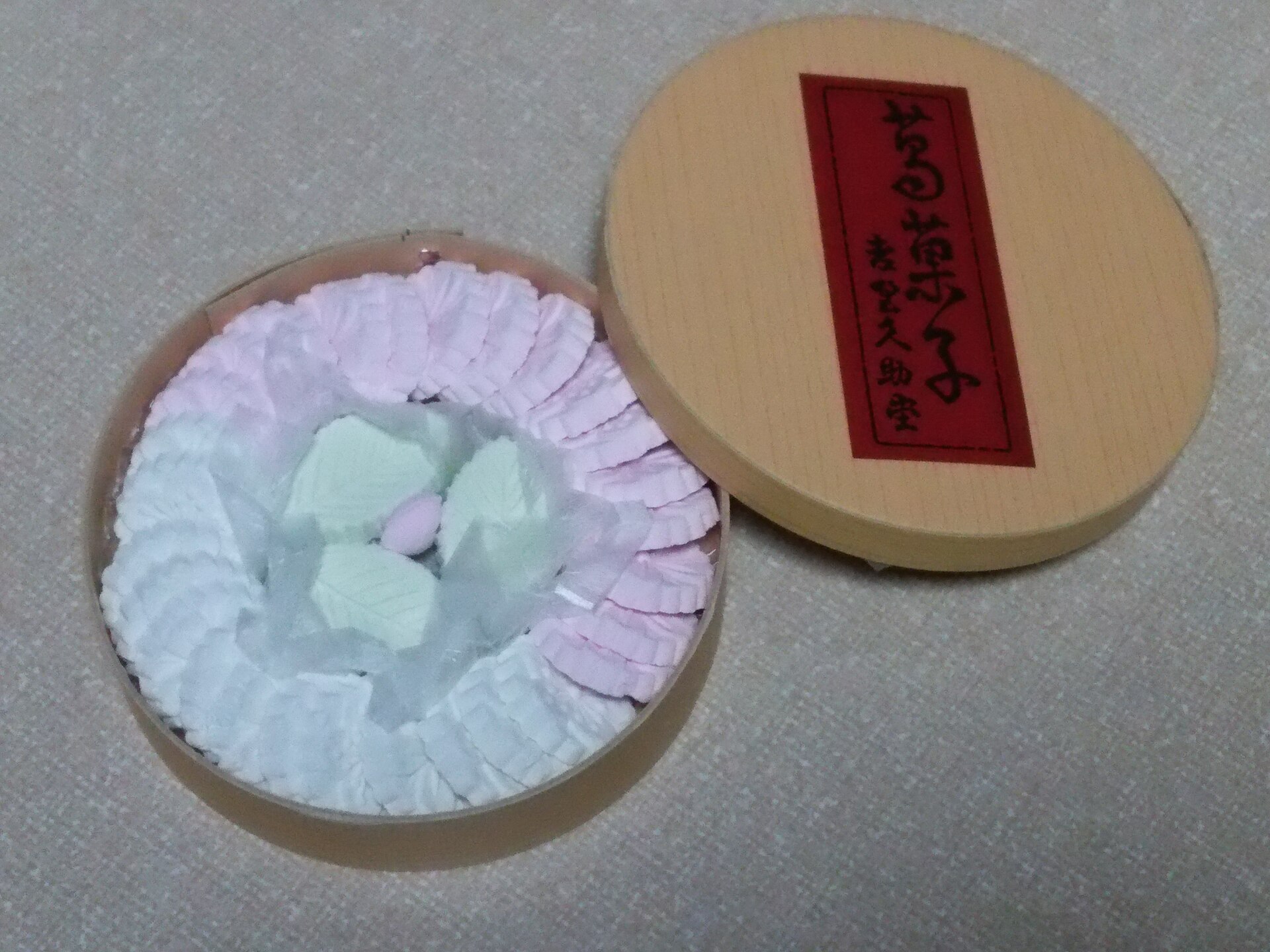
Yoshino Kuzu Mochi
Little knownYoshino is Japan's premier producer of kuzu (葛, arrowroot starch), a plant-based starch extracted from kudzu vine roots…
 Naokijp / CC BY-SA 4.0
Yoshino Mikumari Shrine
Well knownYoshino Mikumari Shrine (吉野水分神社) is a Shinto shrine dedicated to Mikumari-no-Kami (水分神), the deity of water distribution…
 Ilustración: no es una fotografía
Asuka Village
Little knownWhen you cycle through Asuka's rice paddies, granite boulders carved with geometric channels and stone slabs weighing 77…
Asuka-dera Temple
Little knownAsuka-dera (飛鳥寺) was Japan's first full-scale Buddhist temple, founded in 596 AD when Buddhism was still new to the arch…
 Yoshio Kohara / CC BY 3.0
Kashihara Jingu Shrine
Little knownKashihara Jingu (橿原神宮) is a large Shinto shrine dedicated to Emperor Jimmu, Japan's legendary first emperor according to…
 米田賢一 / CC BY 3.0
Sanadaan
Little knownAfter Sekigahara in 1600, Sanada Masayuki and his son Nobushige — the man popular history calls Yukimura — were exiled t…
Más en Prefectura de Nara
 Benh LIEU SONG from Torcy, France / CC BY-SA 2.0
Ukimido Pavilion
Well knownUkimido (浮見堂, 'Floating Pavilion') is a hexagonal pavilion built on stilts over Sagi-ike Pond in Nara Park's southern ar…
 jetsun / CC BY-SA 3.0
Wakakusayama Hill
Locally knownWakakusayama (若草山, 'Young Grass Mountain') is a 342-meter grassy hill on Nara Park's eastern edge offering panoramic vie…
 Ilustración: no es una fotografía
Nara Sumi Ink & Fude Brushes
Locally knownNara produces 90% of Japan's traditional sumi ink (墨, solid ink sticks) and is a major center for fude (筆, calligraphy b…