
Parque de Nara
Investigado y escrito por Hinato

Photo: Andrew Currie / Wikimedia Commons (CC BY-SA 3.0) · original
Más de 1 200 ciervos sika campan a sus anchas por las 660 hectáreas del parque de Nara, clasificados oficialmente como «tesoros naturales». Están tan acostumbrados a los humanos que se acercan a pedir las galletas de arroz (shika senbei, ¥200) que se venden en puestos repartidos por todo el parque, y algunos incluso hacen una reverencia antes de recibirlas.
El parque conecta los principales monumentos de Nara —el Todai-ji, Kasuga Taisha, el Museo Nacional— y es un lugar donde la naturaleza, la historia y la vida animal se mezclan de una manera única en Japón. La luz del atardecer entre los árboles centenarios, con los ciervos descansando en la hierba, es uno de esos momentos que justifican un viaje.
Our angle on Parque de Nara
Nobody else is going here
Everyone within a mile of Parque de Nara is going to Parque de Nara. Here are 4 places within walking or one bus ride of it that almost nobody writes about — straight-line distances from our own catalogue, not travel times.
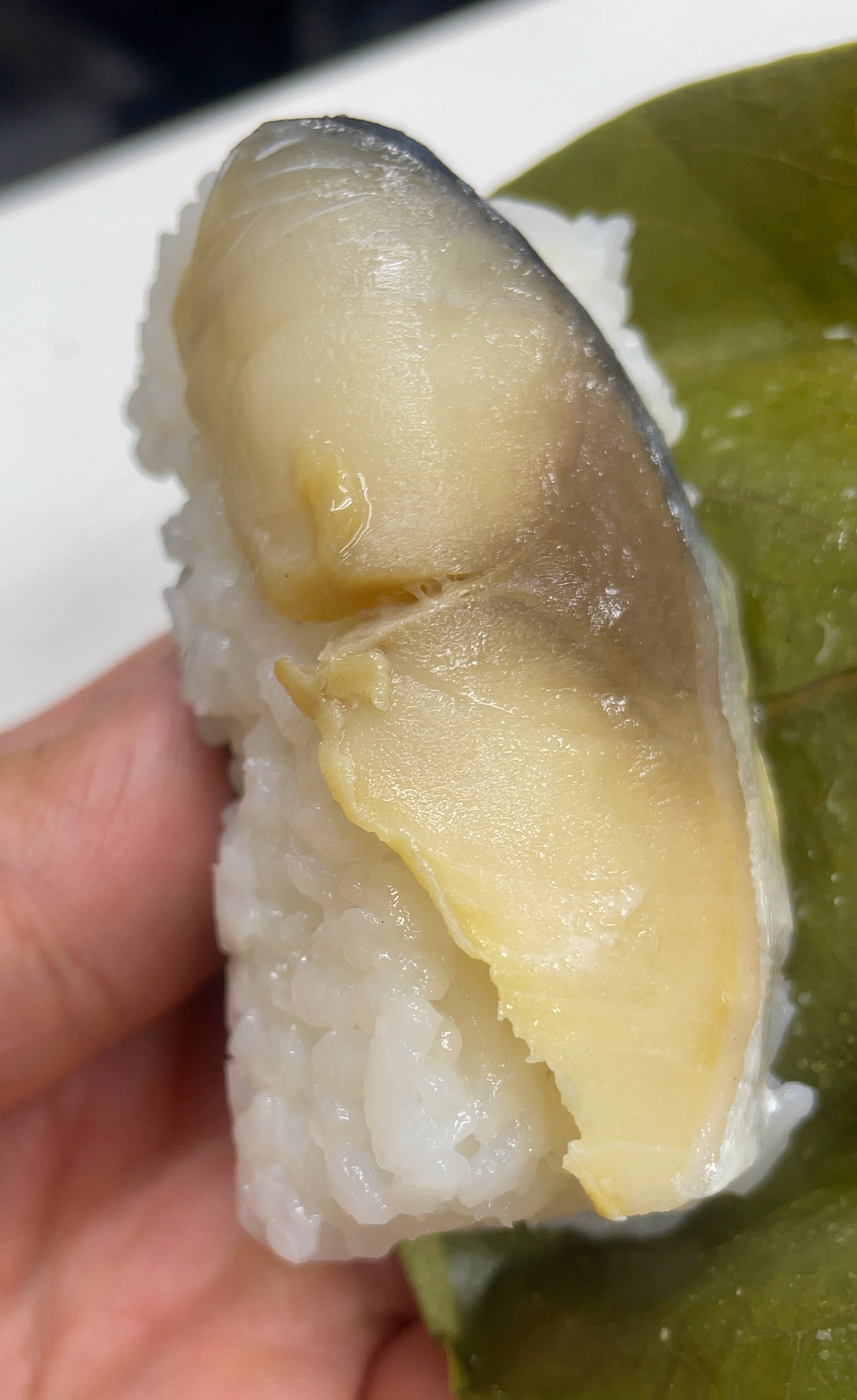
- Kakinoha-zushiLocally known~0.0 km away · Nara
Kakinoha-zushi (柿の葉寿司) is Nara's signature pressed sushi: vinegared rice topped with mackerel, salmon, or sea bream, wra…
- Narazuke PicklesLocally known~0.0 km away · Nara
Narazuke (奈良漬) are vegetables pickled in sake kasu (酒粕, sake lees — the fermented rice solids left after sake brewing),…
- Nara SakeLocally known~0.0 km away · Nara
Nara is the birthplace of sake brewing's key innovations — monks at Shoryakuji Temple (菩提山正暦寺) invented the bodaimoto me…
- Nara Sumi Ink & Fude BrushesLocally known~0.0 km away · Nara
Nara produces 90% of Japan's traditional sumi ink (墨, solid ink sticks) and is a major center for fude (筆, calligraphy b…
Información esencial
Horario
Park: 24/7 (always open) | Deer crackers sold: 8:00 AM – 5:00 PM
Cerrado: No closures (park always open)
Entrada
Gratuito | Shika senbei (galletas para ciervos): ¥200
Mejor temporada
Todo el año | Otoño (noviembre) para arces rojos con ciervos
Duración de la visita
1–3 horas
Cómo llegar
Información de acceso
Acceso detallado y horarios
Estación más cercana
Kintetsu Nara Station (Kintetsu Nara Line) - 5 min walk | JR Nara Station (JR Yamatoji Line) - 20 min walk
Tiempo de viaje
From Kyoto: 45 min via Kintetsu Express | From Osaka: 50 min via Kintetsu Express | From Tokyo: 3 hours via Shinkansen to Kyoto + Kintetsu
Cómo llegar
Train: Take Kintetsu Nara Line from Kyoto to Kintetsu Nara Station (most convenient, 45 min, ¥680). Or JR Yamatoji Rapid from Osaka/Kyoto to JR Nara Station (50 min from Osaka). Bus: Direct buses from Kyoto Station and Osaka (Namba) to Nara Park area. Taxi: 20 min from JR Nara Station to main park area (¥1,500-2,000).
Mejor momento para visitar
Early morning (7:00-9:00 AM) when deer are most active and hungry, or late afternoon (4:00-6:00 PM). Weekday mornings quieter than weekends. June for newborn fawns.
Consejos para evitar multitudes
Weekdays significantly less crowded than weekends. Avoid spring (cherry blossom season) and autumn (foliage season) weekends when crowds triple. Early morning (before 9:00 AM) best for photography without tour groups. Deer are gentlest early morning before being overwhelmed by feeders.
Información de aparcamiento
County Office Parking: ¥1,000/day (500 spaces). Todaiji parking lot: ¥1,000/day. Limited spaces fill early on weekends. Public transport strongly recommended.
Guía privilegiada
Reserva alojamiento cercano
Encuentra alojamiento cerca de Parque de Nara en estas plataformas de confianza:
Lugares cercanos
Los lugares secretos más cercanos a Parque de Nara, por distancia en línea recta.
 Kyu3a / CC BY-SA 4.0
Kakinoha-zushi
Locally knownKakinoha-zushi (柿の葉寿司) is Nara's signature pressed sushi: vinegared rice topped with mackerel, salmon, or sea bream, wra…
 daniel julià lundgren from barcelona, catalonia / CC BY-SA 2.0
Narazuke Pickles
Locally knownNarazuke (奈良漬) are vegetables pickled in sake kasu (酒粕, sake lees — the fermented rice solids left after sake brewing),…
Nara Sake
Locally knownNara is the birthplace of sake brewing's key innovations — monks at Shoryakuji Temple (菩提山正暦寺) invented the bodaimoto me…
 Ilustración: no es una fotografía
Nara Sumi Ink & Fude Brushes
Locally knownNara produces 90% of Japan's traditional sumi ink (墨, solid ink sticks) and is a major center for fude (筆, calligraphy b…
 Ilustración: no es una fotografía
Day Trip to Nara
Locally knownNara, Japan's capital from 710–794 CE, is from Osaka by train and offers one of Japan's best day trips. The city's main…
 Roman SUZUKI / CC BY 3.0
Heijo Palace Site
Well knownHeijo Palace (平城宮跡, Heijo-kyo) was the imperial palace during Nara's time as Japan's capital (710–784 AD), occupying 120…
Más en Prefectura de Nara
 Ilustración: no es una fotografía
Asuka Village
Little knownWhen you cycle through Asuka's rice paddies, granite boulders carved with geometric channels and stone slabs weighing 77…
 z tanuki / CC BY 3.0
Horyuji Temple
Well knownHoryuji (法隆寺) is a UNESCO World Heritage temple containing the world's oldest surviving wooden structures — the Main Hal…
 くろふね / CC BY 3.0
Yakushiji Temple
Well knownYakushiji (薬師寺) is a UNESCO World Heritage temple founded in 680 AD, famous for its twin pagodas flanking the Main Hall…