

Photo: Marie-Sophie Mejan / Wikimedia Commons (CC BY 4.0) · original
El Nebuta Matsuri (2–7 de agosto) es uno de los festivales más espectaculares de Japón. Enormes carrozas de papel washi iluminadas desde dentro, con figuras de guerreros y dioses de hasta 5 metros de alto, desfilan por las calles mientras los participantes danzan gritando 'rassera'. El Museo Wa Rasse exhibe carrozas todo el año.
Información esencial
Horario
Festival parades: August 2–6 nightly 7:10 PM – 9:00 PM; August 7 water finale; Nebuta Museum Wa Rasse open 9:00 AM – 6:00 PM year-round
Cerrado: Festival runs August 2–7 annually; museum open year-round (closed New Year holidays)
Entrada
Free sidewalk viewing; paid seating ¥2,600–4,000; haneto dancer costume rental ¥4,000; Nebuta Museum ¥620
Mejor temporada
August 2–7 for the festival itself; August 2–3 offer nearly full spectacle with smaller crowds than August 5–6
Duración de la visita
2–3 horas (festival) | 1 hora (museo)
Cómo llegar
Información de acceso
JR Aomori (Shinkansen desde Tokio: 3 h 20 min). Festival: 2–7 agosto. Museo Wa Rasse: ¥620.
Acceso detallado y horarios
Estación más cercana
Aomori Station (JR Tohoku Shinkansen to Shin-Aomori, then Ou Line to Aomori; or direct limited express)
Tiempo de viaje
Tohoku Shinkansen from Tokyo to Shin-Aomori approximately 3 hours 10 minutes; local train to Aomori Station 5 minutes; parade route starts near Aomori Station
Cómo llegar
Tohoku Shinkansen to Shin-Aomori then JR Ou Line to Aomori; overnight bus from Tokyo (Shinjuku) arrives early morning
Mejor momento para visitar
August 2–3 for best crowd-to-spectacle ratio; claim sidewalk spots by 17:30 for front-row views at 19:10
Consejos para evitar multitudes
Over 2 million visitors across 6 nights; August 5–6 are the most crowded; Shinmachi intersection is the best free viewing spot
Información de aparcamiento
City centre parking fills early on festival days; arriving by train is strongly recommended; park-and-ride at suburban stations available
Guía privilegiada
Night choices: Parades run six nights — August 2–6 nightly, with August 7's finale on the water. The biggest floats and densest crowds hit August 5–6. Book hotels 6+ months out for these peak dates. August 2–3 show 90% of the spectacle with 60% of the crowds. The parade launches at 19:10 from Aomori Station area — claim sidewalk space 90 minutes early for front-row views. Shinmachi intersection works best because floats pause to turn, letting you photograph all sides.
Dance in the parade: Buy or rent the full haneto costume (¥4,000 at department stores near the station): yukata, waist bells, flower hat, white tabi socks, and hand towels. You need every piece to join — no partial costumes. Pick a float you like, jump into its dancer group, and follow their rhythm. The chant goes 'Rassera! Rassera!' with two hops per shout. Your bells jingle, your hat bounces, your legs burn after 30 minutes. Bring a water bottle tucked in your yukata — you'll sweat through the cotton within an hour.
Shooting the floats: They roll at walking speed, so camera settings don't need exotic. Shutter at 1/125s freezes motion, ISO 1600–3200 handles the darkness. The floats rotate as they move — warriors face forward, then left, then back. Wait at intersections where they turn and you'll see all sides. Morning (10:00–12:00), photographers scout empty streets to plan evening angles.
See floats year-round: Nebuta Museum Wa Rasse parks 4–5 prize-winning floats in a warehouse-sized hall. Walk underneath, seeing bamboo frames and wiring that's invisible at night. Haneto dance demos happen at 11:00 and 14:00 daily — staff teach you the hop and chant in 15 minutes. If you can't make August 2–7, this museum delivers 70% of the experience with zero crowds.
Float symbolism: Warriors and demons drive away evil spirits and pray for harvest. Each float costs ¥20–30 million — neighborhoods pool money and hire master artists who spend 4–6 months building. The haneto dance mimics rice planting (the hopping represents tamping wet soil). 'Rassera' comes from Ainu language meaning 'let's go' or 'hurry up.'
Sleep elsewhere: Aomori's 50 hotels sell out 6+ months ahead. Widen your search to Hirosaki (by train, ¥680) or Hachinohe (40 minutes, ¥1,280). Overnight buses from Tokyo arrive Aomori at 6:00am on August 2, festival-goers spend six days sleeping rough in parks or capsule hotels, then bus back August 8. Doable but exhausting.
Reserva alojamiento cercano
Encuentra alojamiento cerca de Nebuta Matsuri en estas plataformas de confianza:
Lugares cercanos
Los lugares secretos más cercanos a Nebuta Matsuri, por distancia en línea recta.
Aji no Sapporo Onishi
Little knownMiso curry milk ramen is exactly what it says: a miso base, curry powder, milk, and a pat of butter on top, with bean sp…
 z tanuki / CC BY 3.0
Aomori Bay Bridge
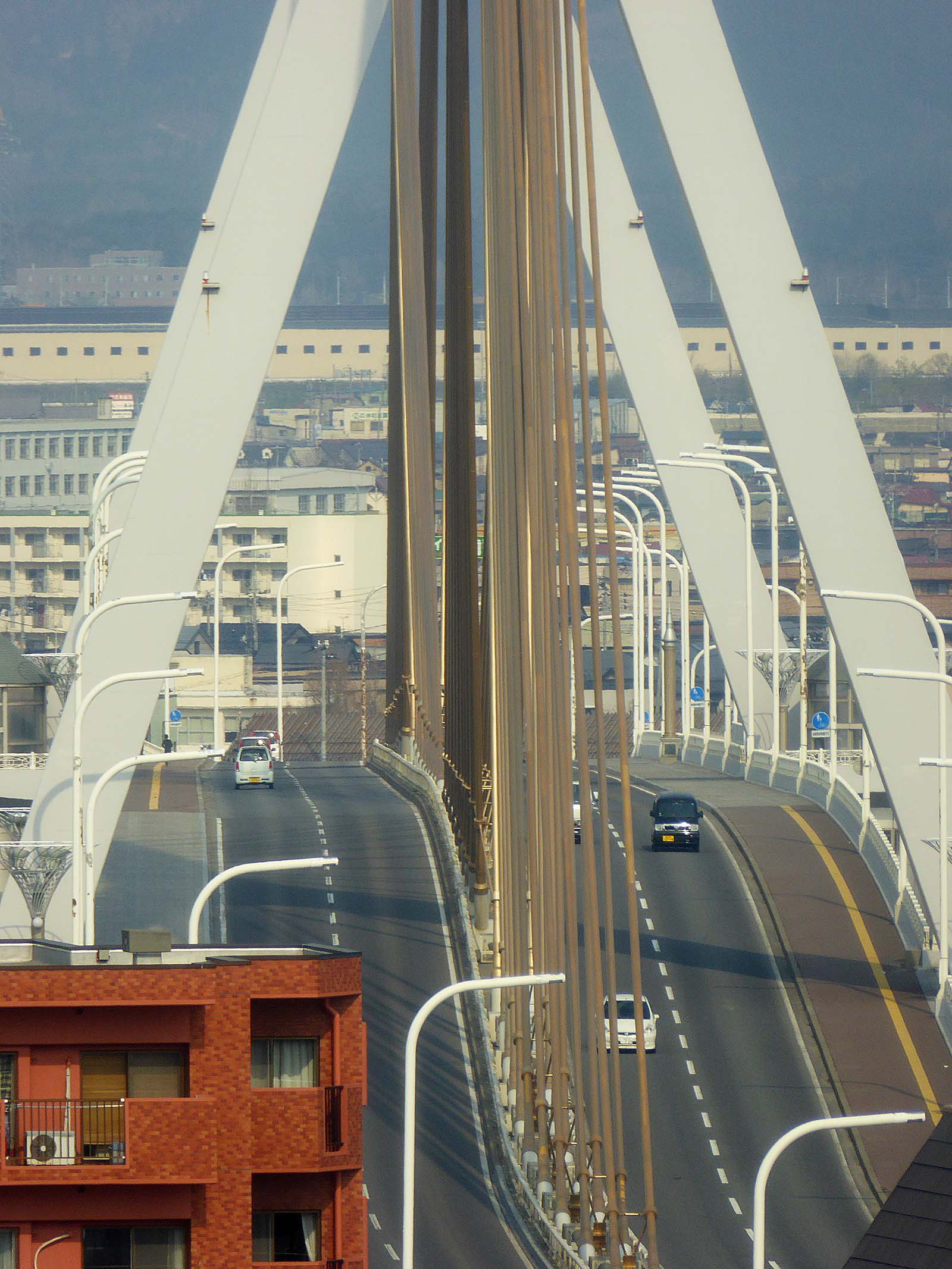
Little knownThe Aomori Bay Bridge (青森ベイブリッジ) is a 1.2-kilometer cable-stayed bridge spanning Aomori Harbor, completed in 1994 as par…
 z tanuki / CC BY 3.0
Sannai-Maruyama Site
Well knownSannai-Maruyama (三内丸山遺跡) is Japan's largest and most significant Jomon-period archaeological site, preserving a settleme…
Shayokan
Locally knownDazai Osamu wrote No Longer Human and The Setting Sun, drowned himself in 1948 at thirty-eight, and is read by essential…
 iloverjoa / CC BY 3.0
Sukayu Onsen
Little knownThe bath at Sukayu is a single room of 160 tatami mats, floored and walled entirely in hiba cypress with no metal or til…
 Raita Futo from Tokyo, Japan / CC BY 2.0
Hakkoda Mountains
Little knownThe Hakkoda Mountains (八甲田山) form a volcanic range south of Aomori City, famous for extreme winter snowfall (up to 8 met…
Más en Prefectura de Aomori
 D-Chillz / CC BY-SA 4.0
Takayama Inari Shrine
Little knownEveryone photographs the tunnel of torii at Fushimi Inari in Kyoto, packed shoulder to shoulder. Takayama Inari has some…
 掬茶 / CC BY-SA 4.0
Nakamachi Komise Street
Locally knownKomise are covered wooden arcades built out from the front of a house over the public footway — a private roof over a pu…
 くろふね / CC BY 4.0
Tatehana Wharf Morning Market
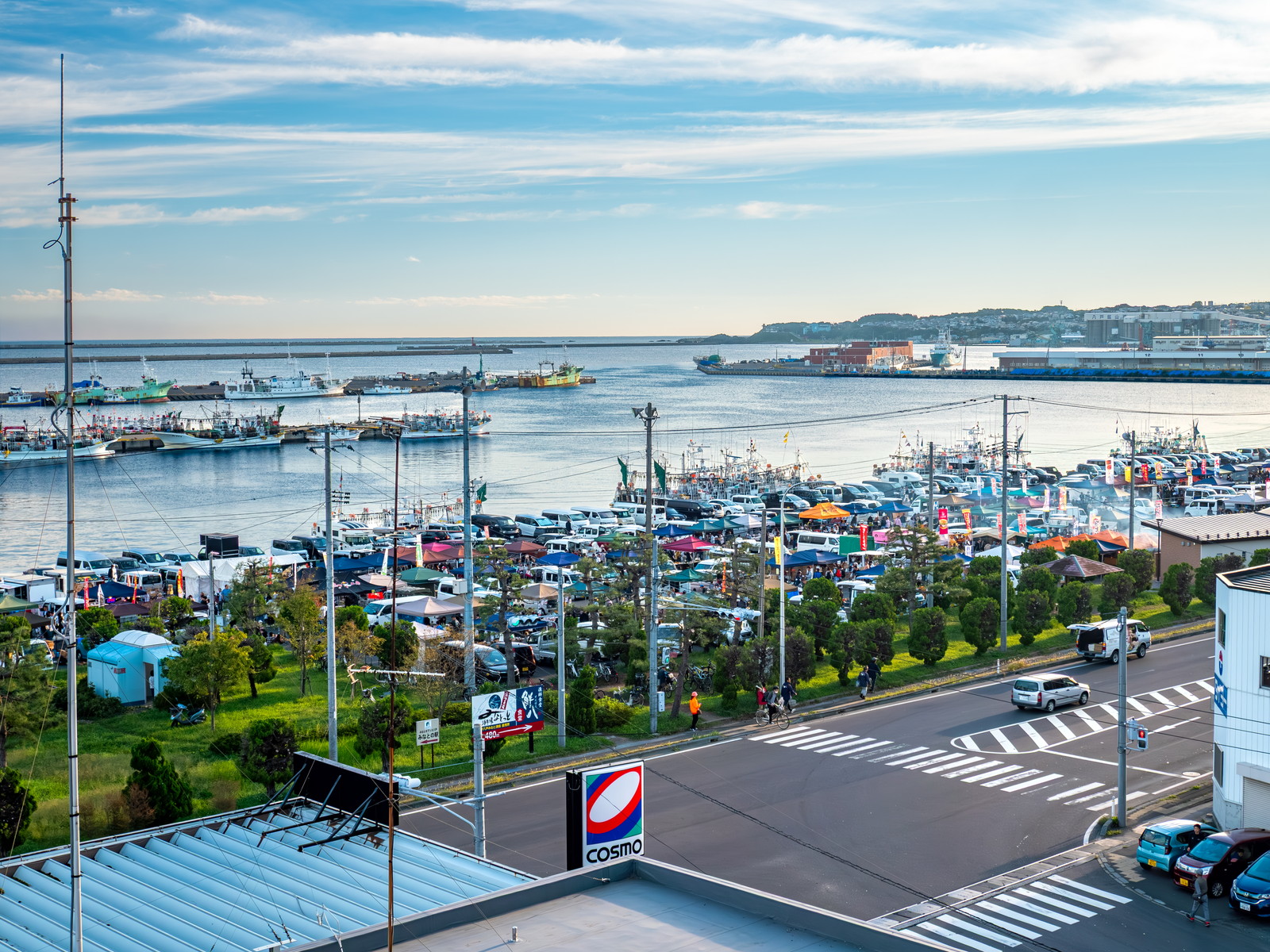
Little knownEvery Sunday from March to December, more than three hundred stalls set up on a quay in Hachinohe fishing port and run f…