
Esta página aún no ha sido traducida y se muestra en inglés.
Takayama Inari Shrine
Investigado y escrito por Hinato

Photo: D-Chillz / Wikimedia Commons (CC BY-SA 4.0) · original
Everyone photographs the tunnel of torii at Fushimi Inari in Kyoto, packed shoulder to shoulder. Takayama Inari has something Fushimi does not: its gates run over open ground in a long serpentine curve, so you can stand above them and see the whole line snaking away in front of you like a red spine over the grass. It is the single best torii photograph in northern Japan and there is usually nobody in it.
The shrine sits on a low rise near the Sea of Japan coast in Tsugaru, worshipped for harvests, safety at sea and commerce. The torii line is not ancient — it was built up over roughly forty years — and it curves the way it does because it leads to a Ryujin-gu, a dragon deity hall, and the dragon shape was deliberate. There is a Japanese garden behind, and on a clear day Mt. Iwaki stands behind the whole arrangement.
Inari worship itself is one of the most widespread folk traditions in Japan, tied historically to rice cultivation and, by extension, to general prosperity, which is why Inari shrines are so common across the country and why individual gate donations — the mechanism by which a torii line like this one grows over decades — remain a living practice rather than a historical relic. Each gate at Takayama Inari was donated and dedicated individually, a pattern visible if you look closely at the inscriptions along the base of the pillars, and the slow accumulation of donated gates over roughly forty years is part of why the curve reads as organic rather than architecturally planned, even though the dragon-hall alignment behind it was intentional from the start. The coastal setting adds a dimension most inland Inari shrines lack: the shrine's original purpose included blessing the fishing and shipping trade along this stretch of the Sea of Japan, and the open, wind-exposed ground the torii line crosses is part of what keeps the site free of the crowding that has overtaken more famous gate tunnels elsewhere in the country.
Información esencial
Horario
8:00 AM – 5:00 PM
Cerrado: Open year-round
Entrada
Free | Free parking
Mejor temporada
Late April–October for the garden | Winter for red gates against snow
Duración de la visita
60–90 minutes
Cómo llegar
Información de acceso
Guía privilegiada
Reserva alojamiento cercano
Encuentra alojamiento cerca de Takayama Inari Shrine en estas plataformas de confianza:
Lugares cercanos
Los lugares secretos más cercanos a Takayama Inari Shrine, por distancia en línea recta.
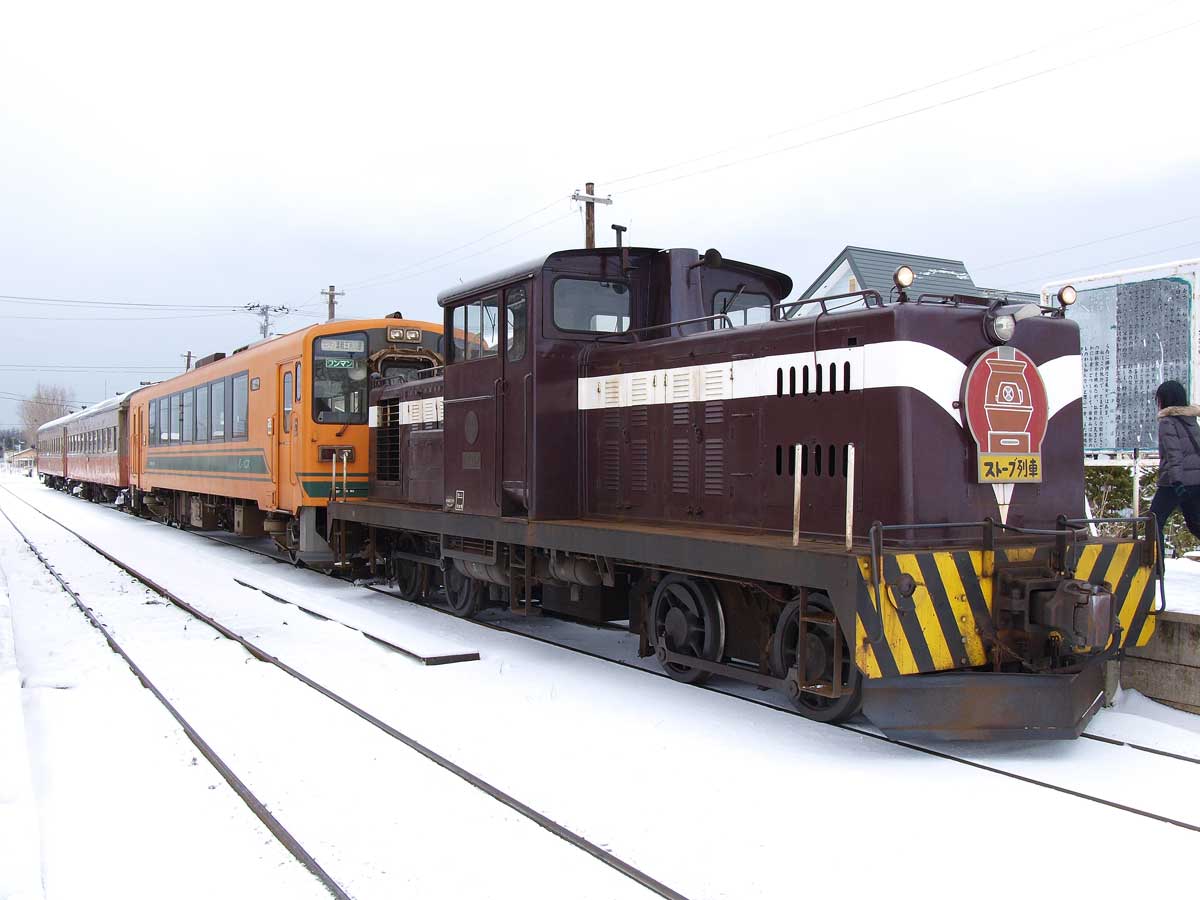 Amiden / CC BY-SA 3.0
Tsugaru Railway Stove Train
Little knownThe Tsugaru Railway runs twenty kilometres north from Goshogawara across the flat snow country of the Tsugaru plain, and…
 Tomokazu Kitjaima / CC BY-SA 3.0
Tachineputa Matsuri
Little knownGoshogawara Tachineputa Matsuri (立佞武多, held August 4-8) is Aomori's second great summer festival, featuring the world's…
 z tanuki / CC BY 3.0
Tsugaru Shamisen
Little knownTsugaru Shamisen (津軽三味線) is a percussive, emotionally raw style of shamisen (three-stringed Japanese lute) music origina…
Shayokan
Locally knownDazai Osamu wrote No Longer Human and The Setting Sun, drowned himself in 1948 at thirty-eight, and is read by essential…
 掬茶 / CC BY-SA 4.0
Tsuru no Maihashi
Little knownThree timber arches in a row across a reservoir, three hundred metres end to end, built in 1994 from three thousand logs…
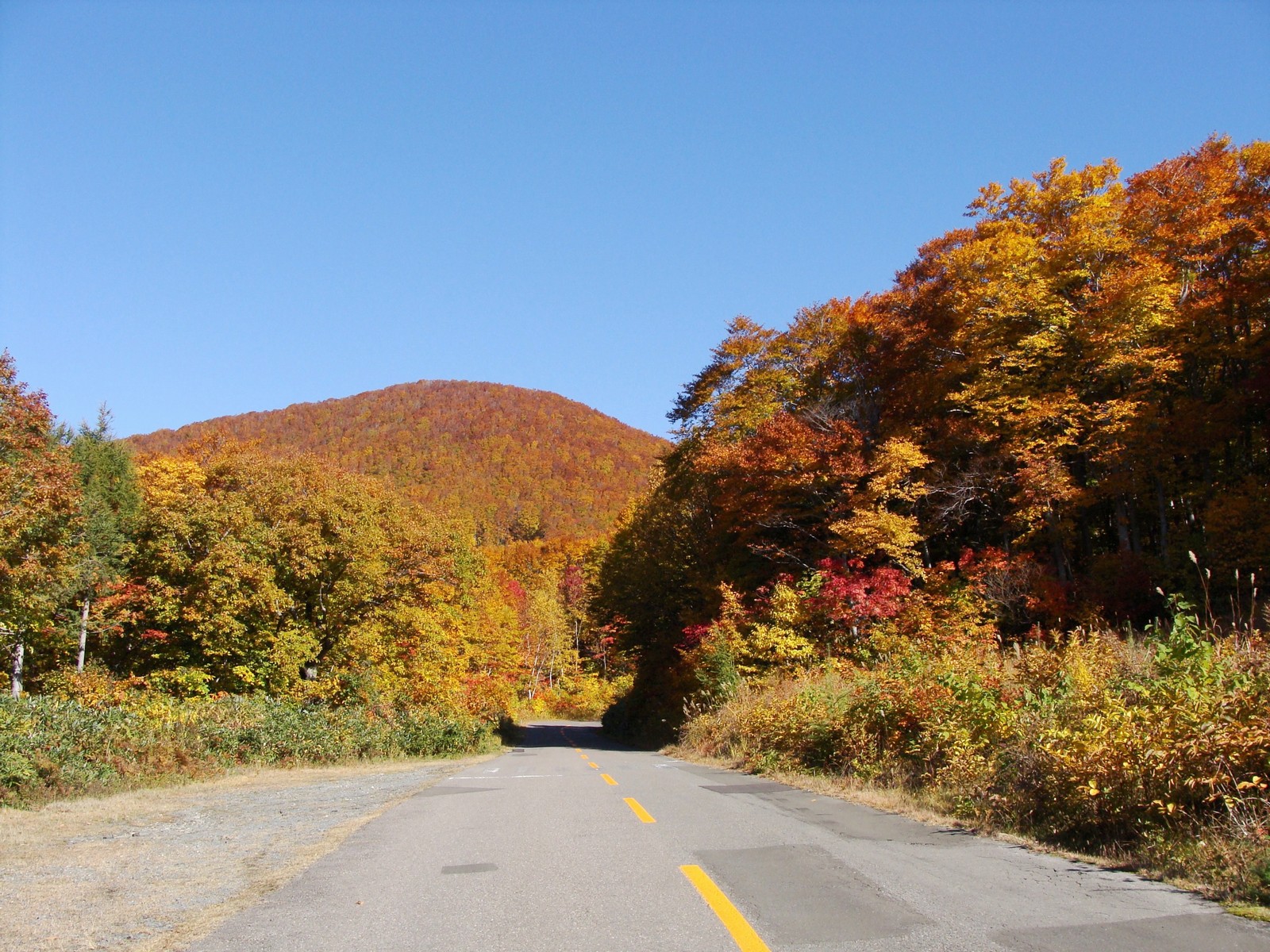 あおもりくま(aomorikuma) / CC BY-SA 3.0
Tsugaru-Iwaki Skyline
Little knownThe Tsugaru-Iwaki Skyline (岩木山スカイライン) is a 9.8-kilometer toll road ascending Mt. Iwaki (岩木山, 1,625m), Aomori's most icon…
Más en Prefectura de Aomori
 yuukin / CC BY 3.0
Seikan Tunnel Museum
Little knownThe Seikan Tunnel (青函トンネル) is a 53.85-kilometer railway tunnel connecting Honshu (Aomori) to Hokkaido (Hakodate) beneath…
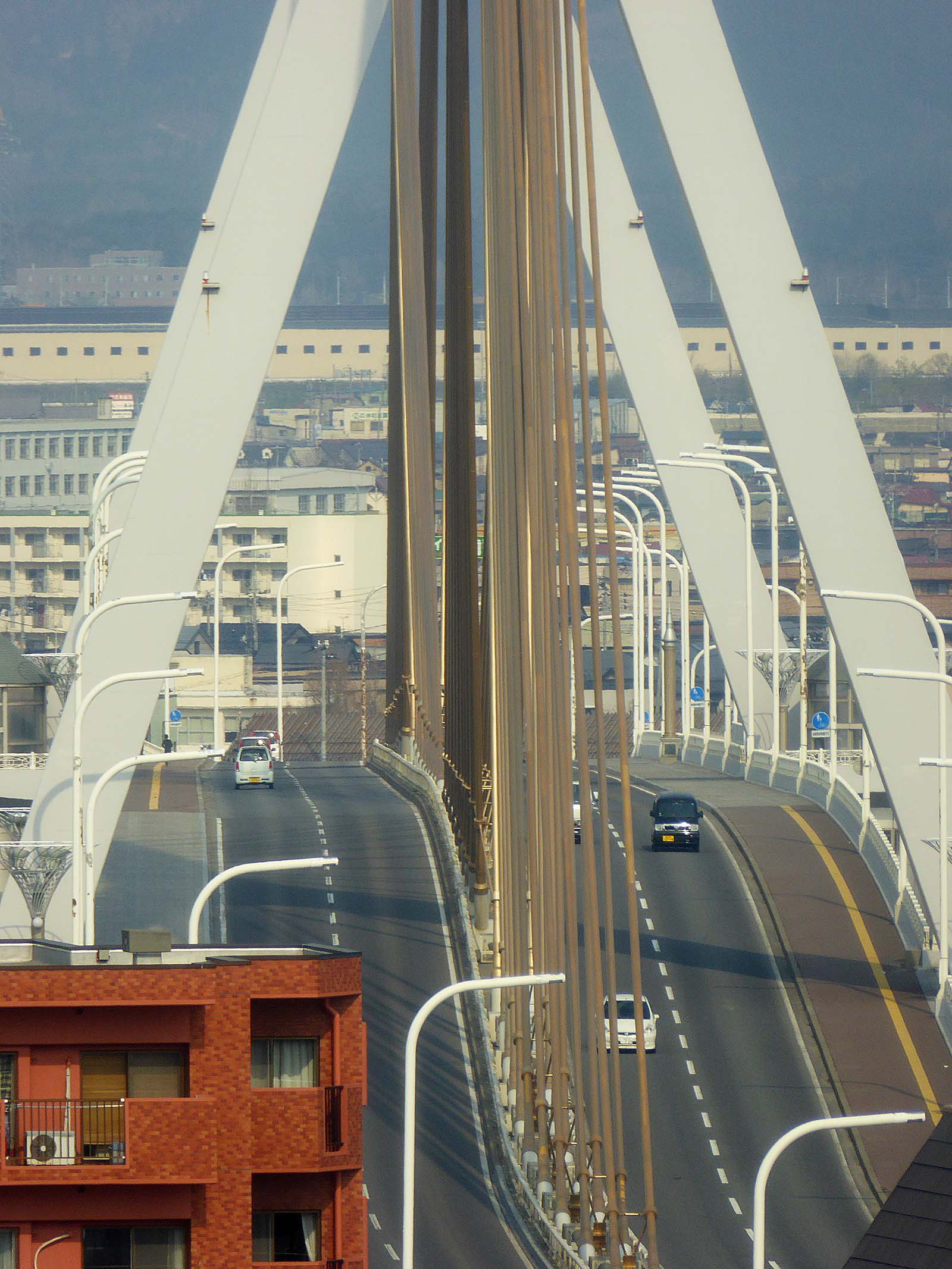 z tanuki / CC BY 3.0
Aomori Bay Bridge
Little knownThe Aomori Bay Bridge (青森ベイブリッジ) is a 1.2-kilometer cable-stayed bridge spanning Aomori Harbor, completed in 1994 as par…
 ゆりのき橋 / CC BY 3.0
Jogakura Bridge
Little knownJogakura Bridge (城ヶ倉大橋) is a 360-meter-long arch bridge spanning Jogakura Gorge at a height of 122 meters, making it Jap…