
Esta página aún no ha sido traducida y se muestra en inglés.
Ohara Museum of Art
Investigado y escrito por Hinato
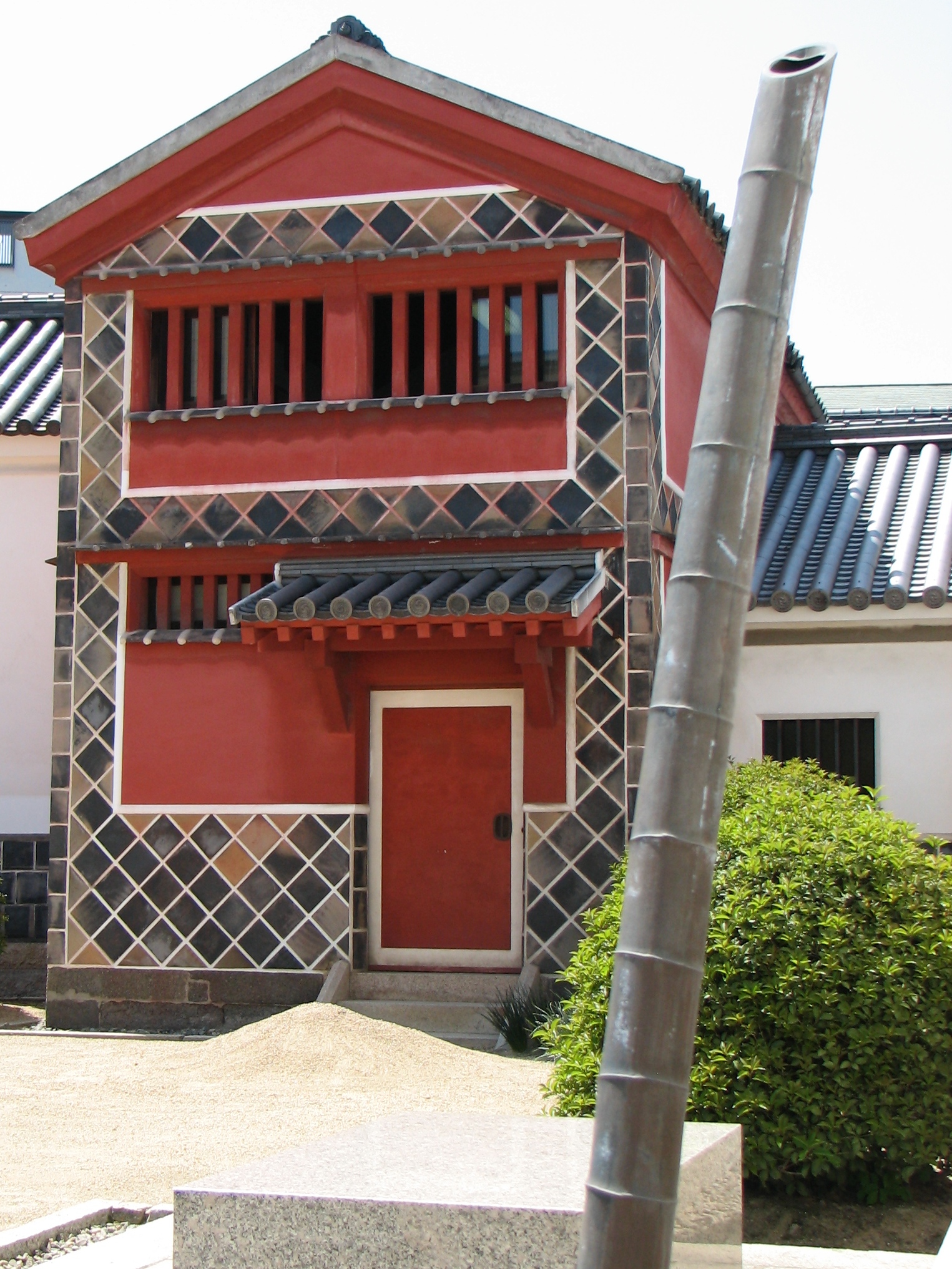
Photo: Yoshio Kohara / Wikimedia Commons (CC BY 3.0) · original
The Ohara Museum of Art (大原美術館, Ohara Bijutsukan) holds the distinction of being Japan's first museum dedicated to Western art, established in 1930 by industrialist Ohara Magosaburo. The museum's neoclassical main building, with its Greek-inspired columns and rotunda, houses an exceptional permanent collection including works by El Greco, Monet, Renoir, Gauguin, Matisse, Picasso, and Jackson Pollock — an astonishing concentration of Western masters in a provincial Japanese city.
The collection was assembled by Ohara's friend, artist Kojima Torajiro, who traveled Europe in the 1920s purchasing works directly from artists and dealers. Today, the museum complex spans four buildings: the Main Gallery (Western painting and sculpture), the Craft Art Gallery (Bernard Leach ceramics, Shoji Hamada pottery, and Japanese mingei folk crafts), the Asiatic Art Gallery (ancient Egyptian, Chinese, and Persian art), and the Contemporary Art Gallery. The museum's thoughtful curation and intimate scale create an unhurried viewing experience, contrasting with Tokyo's crowded institutions. Kurashiki's historic canal district surroundings add cultural context — the museum itself occupies a former warehouse, embodying the city's transformation of merchant heritage into cultural preservation.
Información esencial
Horario
9:00 AM – 5:00 PM (last entry 4:30 PM)
Cerrado: Closed Monday (open if holiday, then closed next day)
Entrada
¥1,500 (all galleries). ¥1,000 (Main Gallery only). English audio guide ¥500 additional.
Mejor temporada
Weekday mornings (9:00–11:00) for quietest conditions; autumn and spring for pleasant surrounding Bikan District atmosphere
Duración de la visita
90–120 minutes for full collection across all four galleries
Cómo llegar
Información de acceso
Kurashiki. In the heart of Bikan Historical Quarter, near JR Kurashiki Station. Entry: ¥1,500 (all galleries), ¥1,000 (Main Gallery only). Visit duration: 90-120 minutes for full collection. English audio guides available ¥500.
Guía privilegiada
Gallery prioritization: The Main Gallery demands 60+ minutes — highlights include El Greco's The Annunciation, Monet's Water Lilies, Gauguin's Tahitian Women, and Toulouse-Lautrec's lithographs. The Craft Art Gallery (adjacent building) is equally significant for mingei (folk craft) enthusiasts — Bernard Leach's ceramics and textile collection by Serizawa Keisuke showcase the philosophy that 'beauty resides in everyday objects.' Budget 30 minutes here. The Asiatic Gallery (ancient artifacts) and Contemporary Gallery (Japanese postwar art) can be brief additions (15 minutes each) or skipped if time-limited.
Crowd timing: Weekday mornings (9:00–11:00) offer the quietest conditions. Weekends and Japanese holidays see family groups and tour buses, especially 11:00–14:00. The museum enforces capacity limits, so early arrival guarantees entry without waits. Photography is prohibited in Main Gallery but allowed in some craft sections — check signage. The museum shop sells high-quality art books, mingei ceramics, and textile goods unavailable elsewhere.
Architectural note: The Main Gallery's neoclassical facade (designed by Yakushiji Motosuke) was revolutionary in 1930 rural Japan — Western art displayed in Western architecture. The building's preservation status means climate control is limited; winter visits can be cold (dress warmly), summer can be humid. The museum's café, El Greco (named for the artist), serves coffee and light meals in a charming interior with gallery views — good for post-viewing reflection.
Lugares cercanos
Los lugares secretos más cercanos a Ohara Museum of Art, por distancia en línea recta.
 Ilustración: no es una fotografía
Kurashiki Denim Shopping
Locally knownKurashiki's Bikan Historical Quarter has embraced the region's denim heritage, with numerous boutiques and craft shops i…
 takeokahp / CC BY 3.0
Kurashiki Bikan Historical Quarter
FamousKurashiki Bikan Historical Quarter (倉敷美観地区, Kurashiki Bikan Chiku) is a beautifully preserved Edo-period merchant distri…
 ajari / CC BY 2.0
Achi Shrine
Locally knownAchi Shrine (阿智神社, Achi Jinja) sits atop a forested hill overlooking Kurashiki's Bikan Historical Quarter, offering pano…
 663highland / CC BY-SA 4.0
Ivy Square
Locally knownIvy Square (倉敷アイビースクエア) is a beautifully preserved Meiji-era cotton spinning mill transformed into a hotel, museum, and…
 hajime / CC BY 3.0
Bitchu Kokubunji
Little knownThe five-storey pagoda at Bitchu Kokubunji is the only one in Okayama Prefecture and the fixed point of the Kibiji lands…
 Ilustración: no es una fotografía
Kojima
Little knownKojima (児島), a district in southern Kurashiki, is revered worldwide as the birthplace of Japanese denim and the origin o…
Más en Prefectura de Okayama
Demi-katsu Don
Little knownOkayama's katsudon comes under demi-glace. It should not work and it has been the city's dish for ninety years. The sauc…
Maneki-neko Museum
Little knownThis was the first museum in Japan devoted to the beckoning cat, and it is a hundred-year-old farmhouse in the hills nor…
 Haruo.takagi / CC BY-SA 4.0
Kitagishima Stone Quarry Lookout
Little knownKitagi granite built Osaka Castle's walls, the foundations of Tokyo Station and the approach at Yasukuni Shrine, and it…