
Esta página aún no ha sido traducida y se muestra en inglés.
Kibiji Cycling Road
Investigado y escrito por Hinato

Photo: Novcira / Wikimedia Commons (CC BY-SA 3.0) · original
The Kibiji Cycling Road (吉備路自転車道) is a scenic 17-kilometer rural cycling route connecting Okayama City to Soja City, passing through ancient burial mounds, rice paddies, and historical sites associated with the Momotaro (Peach Boy) folk legend. The path follows the ancient Kibi Kingdom's heartland, where massive kofun (keyhole-shaped burial mounds) from the 4th–5th centuries attest to the region's political importance before Nara became Japan's capital.
The route is mostly flat, following irrigation canals and farm roads with minimal car traffic, making it ideal for leisurely cycling. Key landmarks include Kibitsu Shrine (吉備津神社, with its 400-meter covered corridor), Bitchu Kokubunji Temple (備中国分寺, a five-story pagoda rising from fields), and Tsukuriyama Kofun (作山古墳, Japan's 4th-largest burial mound). The landscape evokes rural Japan's timeless character — farmers tending rice fields, seasonal wildflowers, and distant mountains framing the horizon. Rental bicycles (¥500–1,000/day) are available at JR Bizen-Ichinomiya Station and Soja Station, with English cycling maps provided. The ride takes 2–3 hours one-way with stops, offering an active alternative to urban sightseeing and insight into Okayama's agricultural heritage and ancient history.
Información esencial
Horario
Cycling route accessible 24 hours. Kibitsu Shrine open daily. Bitchu Kokubunji Temple 9:00 AM – 5:00 PM.
Cerrado: Route open year-round. Bicycle rental shops closed on certain days — confirm hours at rental location.
Entrada
Route free. Bitchu Kokubunji Temple ¥300. Tsukuriyama Kofun free. Bicycle rental ¥500–1,000/day.
Mejor temporada
Spring (late March–April) for rape blossoms and cherry blossoms; autumn (October–November) for cosmos flowers and comfortable temperatures; avoid summer heat
Duración de la visita
2–3 hours one-way (17km) with stops; allow full day for both directions or combine with train return from Soja
Cómo llegar
Información de acceso
Guía privilegiada
Lugares cercanos
Los lugares secretos más cercanos a Kibiji Cycling Road, por distancia en línea recta.
 OS6 / CC BY-SA 3.0
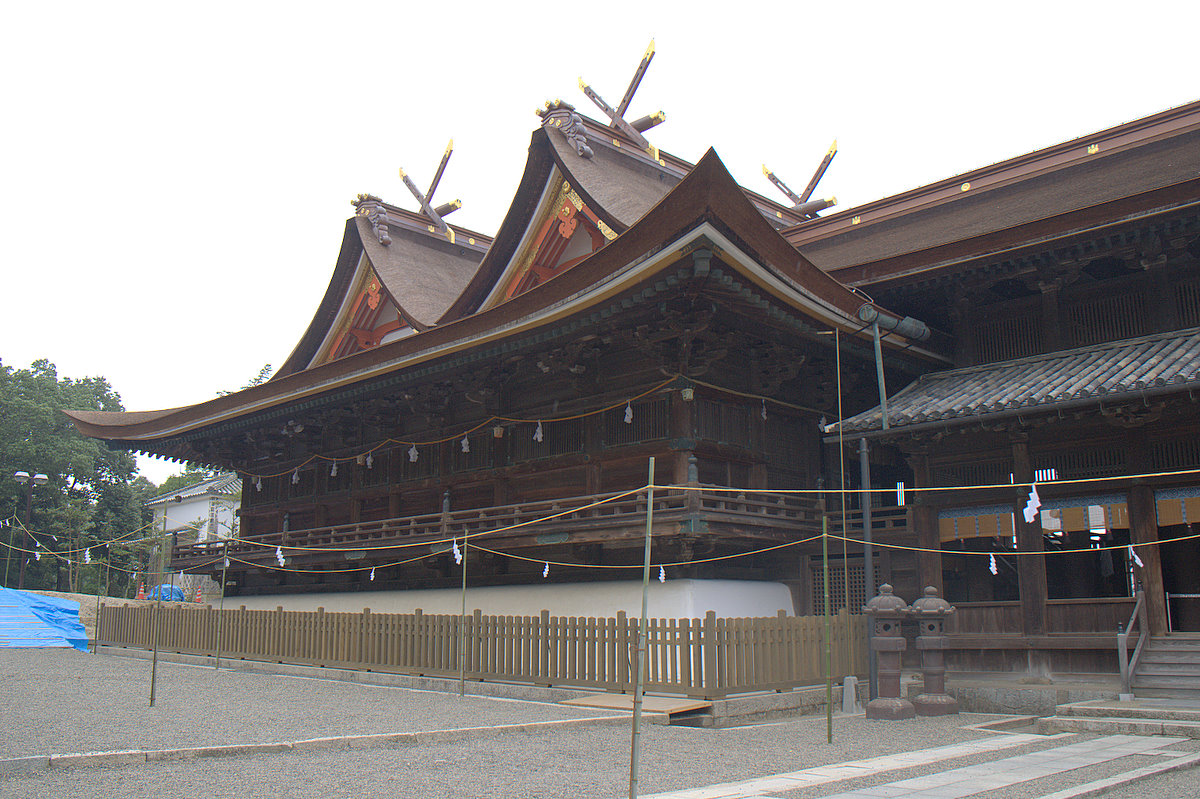
Kibitsu Shrine
Locally knownKibitsu Shrine enshrines Kibitsuhiko-no-Mikoto, the prince whose campaign against a local strongman named Ura is general…
 Unknown author / CC BY-SA 3.0
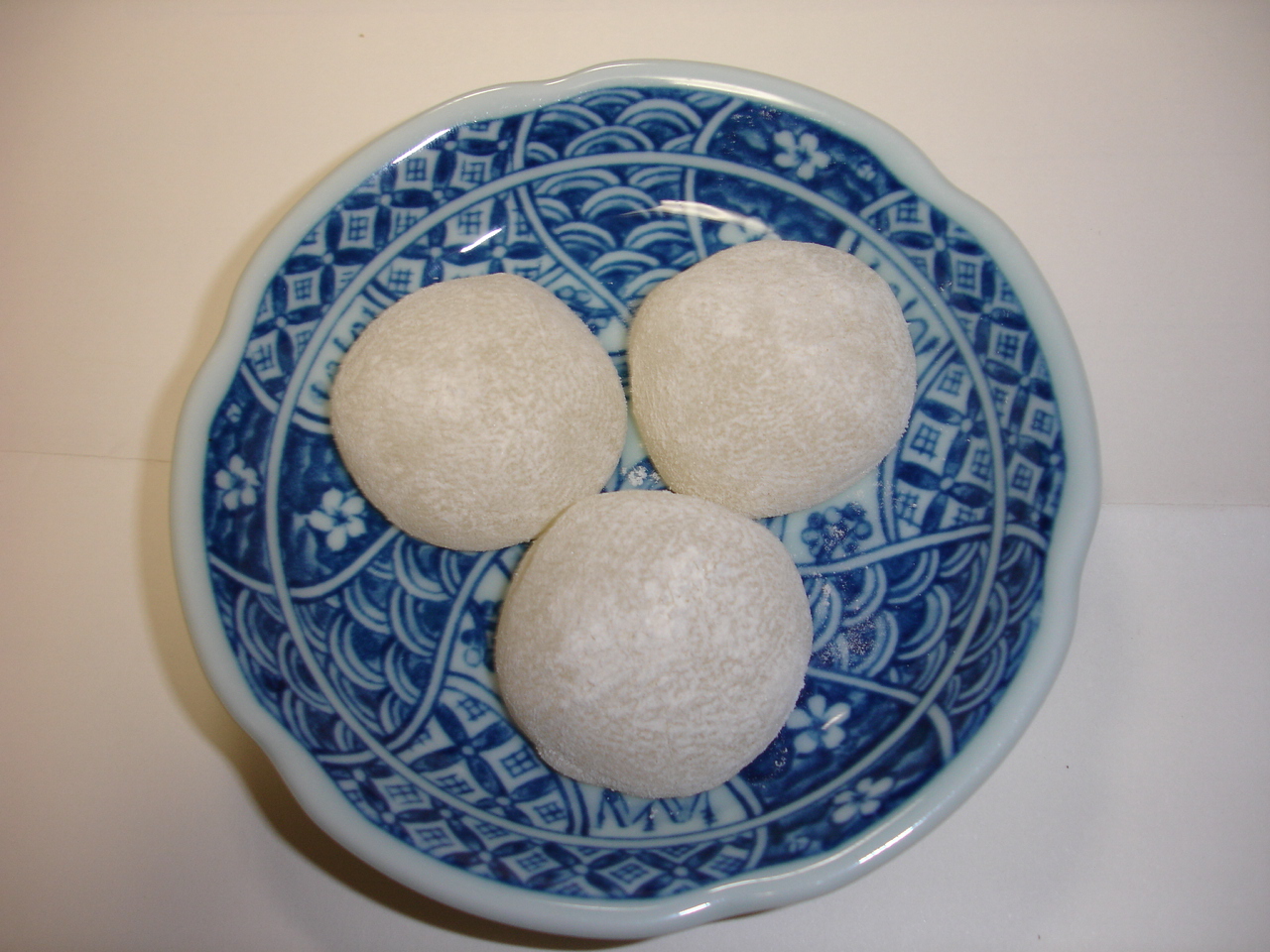
Kibi Dango
Little knownKibi dango (吉備団子) is Okayama's most iconic confection, a soft mochi-like sweet made from millet (kibi) flour, rice, suga…
 DVMG / CC BY 3.0
Momotaro Dori
Little knownMomotaro Dori (桃太郎大通り, Momotaro Boulevard) is Okayama City's main shopping and entertainment street, running 1 kilometer…
Demi-katsu Don
Little knownOkayama's katsudon comes under demi-glace. It should not work and it has been the city's dish for ninety years. The sau…
 663highland / CC BY-SA 4.0
Okayama Prefectural Museum of Art
Little knownThe Okayama Prefectural Museum of Art (岡山県立美術館, Okayama Kenritsu Bijutsukan) focuses on artists with connections to Okay…
 Yoshio Kohara / CC BY 3.0
Yumeji Art Museum
Little knownThe Yumeji Art Museum (夢二郷土美術館, Yumeji Kyōdo Bijutsukan) celebrates the life and work of Takehisa Yumeji (1884–1934), an…
Más en Prefectura de Okayama
 Haruo.takagi / CC BY-SA 4.0
Kitagishima Stone Quarry Lookout
Little knownKitagi granite built Osaka Castle's walls, the foundations of Tokyo Station and the approach at Yasukuni Shrine, and it…
 takeokahp / CC BY 3.0
Okayama Castle
Little knownOkayama Castle (岡山城, Okayama-jō), nicknamed 'Crow Castle' (烏城, U-jō) for its striking black exterior, stands as one of J…
 takeokahp / CC BY 3.0
Korakuen Garden
FamousKorakuen Garden (岡山後楽園) ranks among Japan's Three Great Gardens alongside Kenroku-en (Kanazawa) and Kairaku-en (Mito), r…